

We’ve visited Vienna several times, in spring, in summer, and in the middle of winter, and each time it left a completely different impression on us. Unlike some cities that are attractive in only one season, here every season brings its own charms. Spring and summer bring incredible greenery and flowers that further elevate and highlight that famous, massive architecture. On the other hand, the winter greyness is perfectly broken up by the Christmas markets, which by now are a serious tradition in Vienna and are held at several different city locations, giving the city a completely fairy-tale atmosphere.
Out of habit, we always found accommodation through the site Booking.com, trying to be close to a metro station, because in Vienna that’s half the job done.
Arriving by car: Garages and the P+R system
Since we arrived in Vienna by our own car, we have one main tip first-hand: it’s worth looking at the garages in advance, parking the car and completely forgetting about it while you’re in the city. This really needs attention, because parking in random places or in the centre can cost considerably, considerably more.
By far the cheapest and smartest option are the official multi-storey municipal Park & Ride (P+R) garages (like those at the Erdberg, Spittelau and Ottakring stations), where 24 hours costs just 4.60 euros. Private commercial garages or digital platforms (such as Repark) are an excellent alternative too, where daily tickets range between 4 and 8 euros.
For those arriving by plane: The train trick
If you do land at Vienna International Airport, getting to the centre is made as simple as possible, you just mustn’t fall into the classic tourist trap. Everywhere you’ll see huge adverts for the fast CAT train, which is comfortable but also quite expensive. Feel free to skip it and follow the signs for the standard ÖBB Railjet trains or the S-Bahn urban railway (line S7). The tickets are considerably cheaper, and in 15 to 25 minutes you get off in the very heart of the city (Hauptbahnhof or Wien Mitte).
As for transport within the city itself, forget about buying single tickets. The smartest thing is to download the WienMobil app and get a network ticket for 24 or 72 hours. It’s the easiest way to combine the U-Bahn (metro), trams and buses without any hassle.
Two faces of the city: From the strict centre to relaxed Neubau
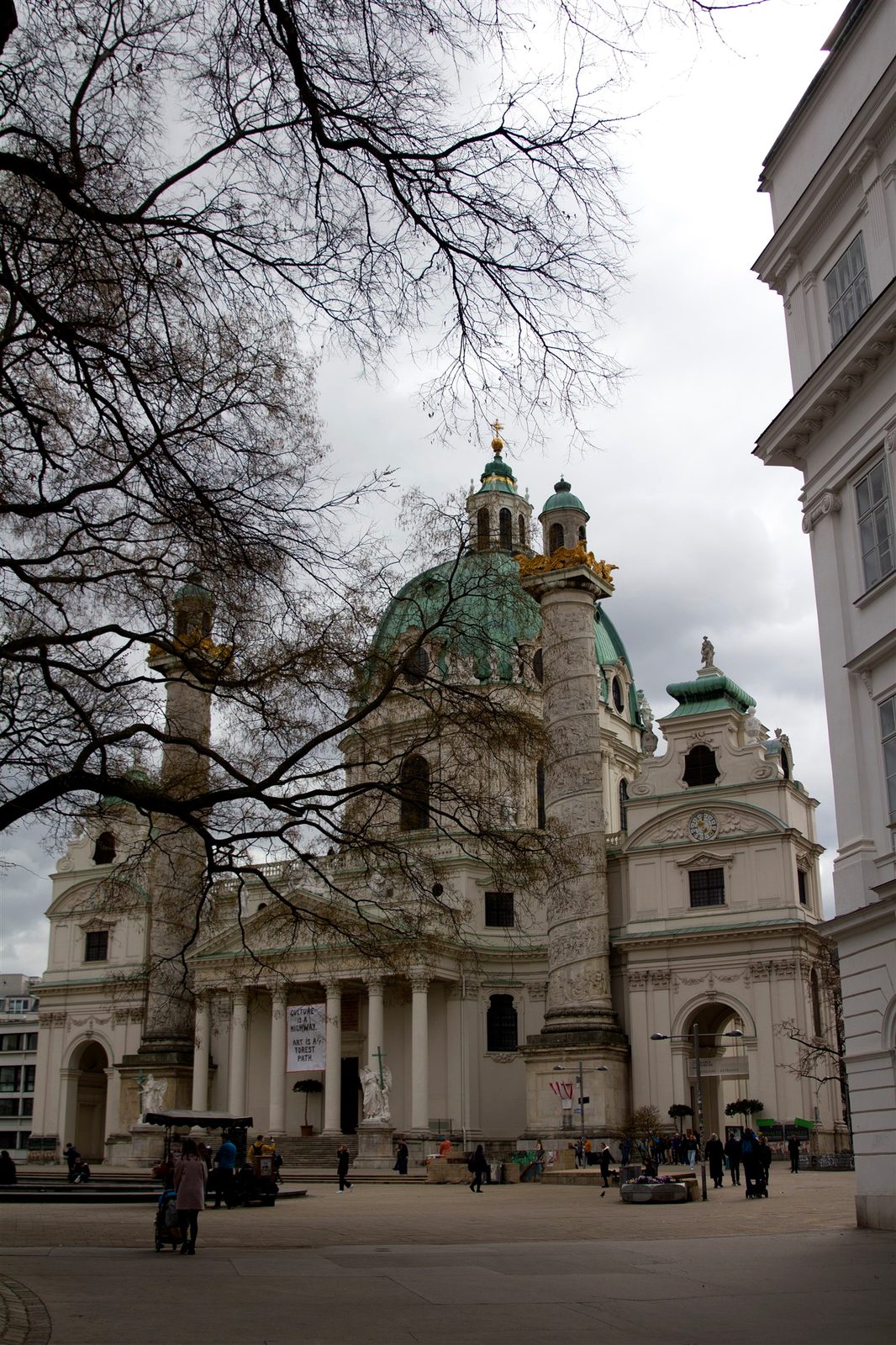
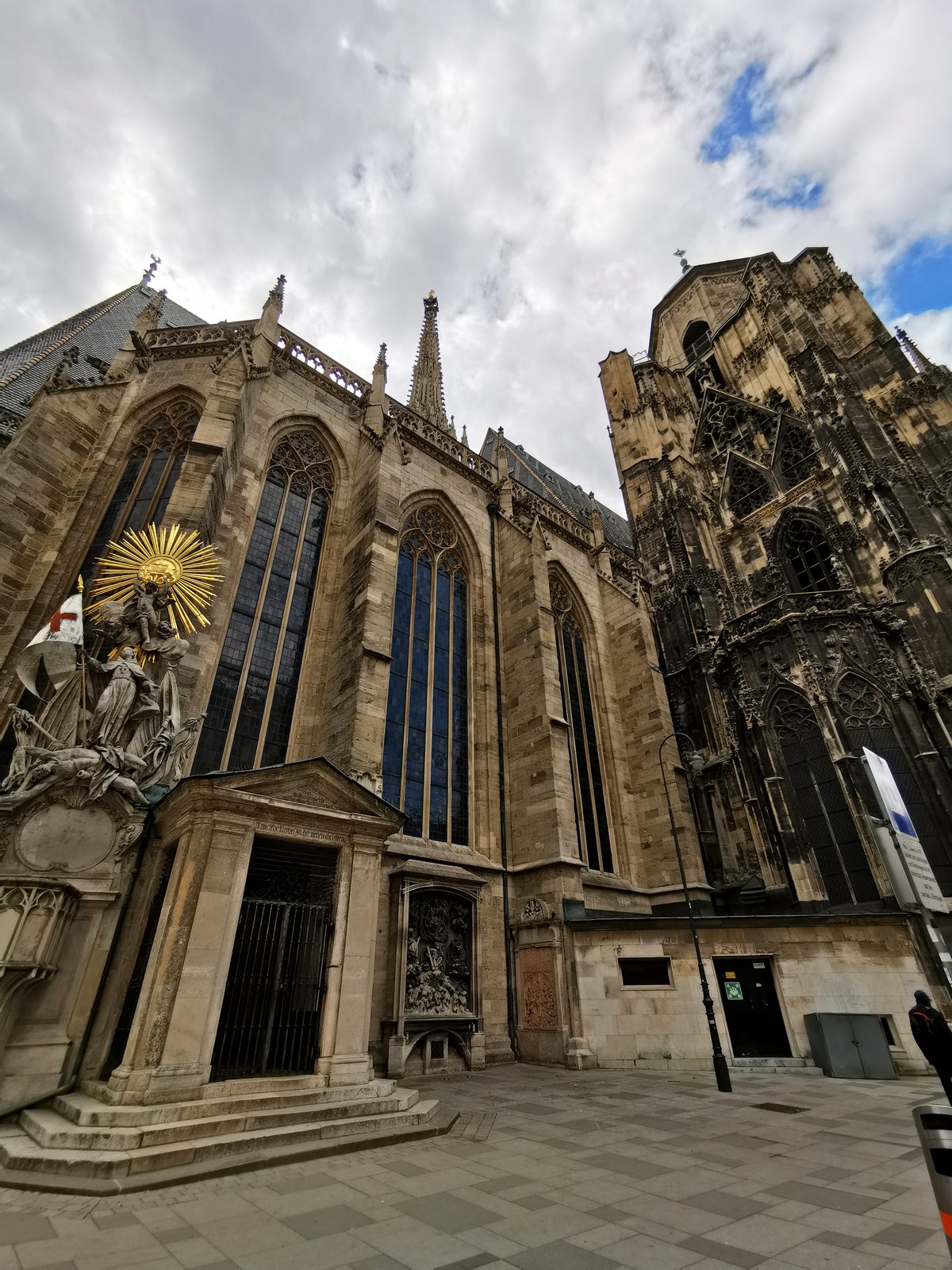
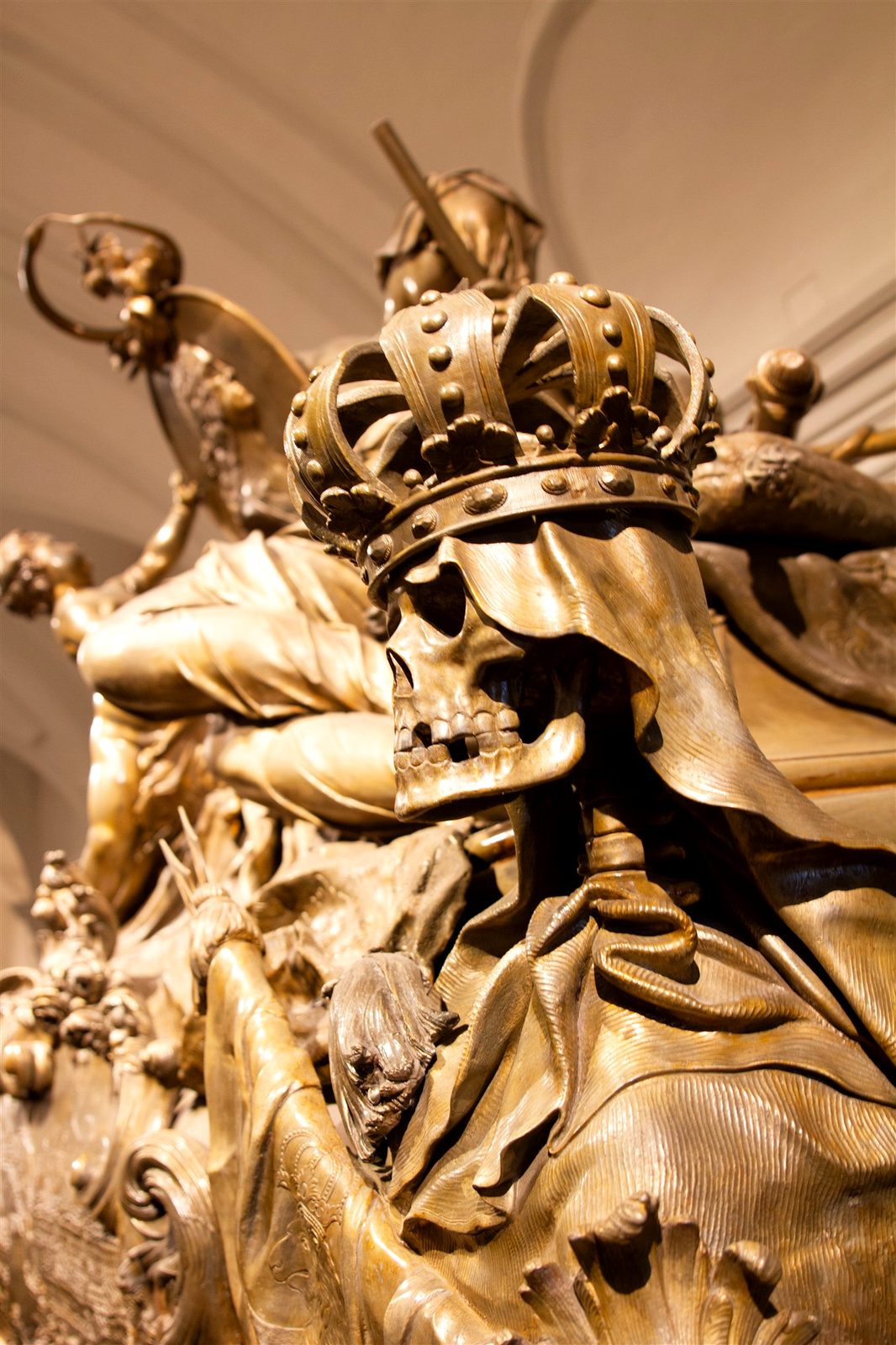
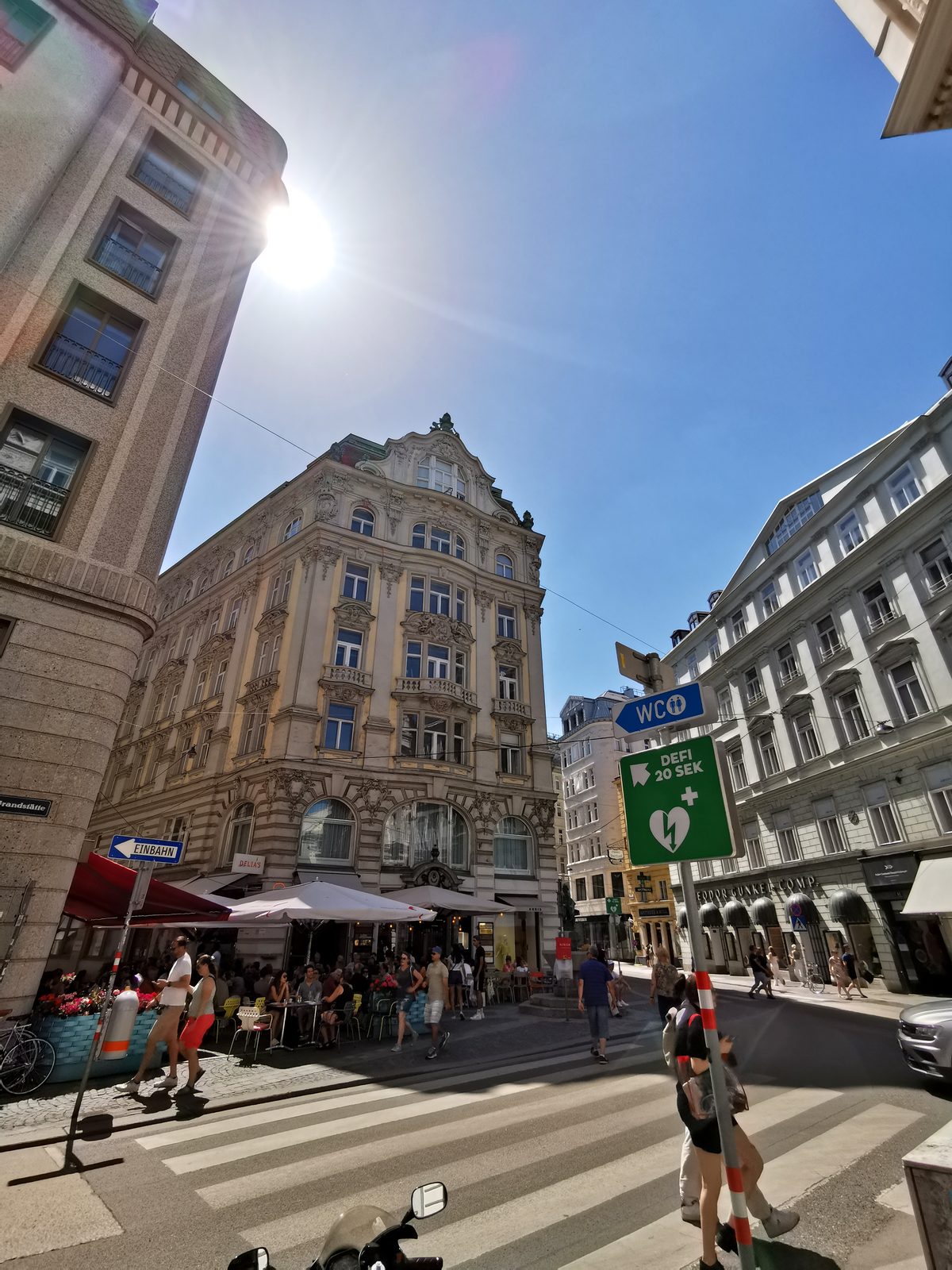
Vienna offers an abundance of art, culture and an incredibly rich history, and this is best seen when you walk through its different neighbourhoods.
- The Old Town (Innere Stadt): The first district is the historic heart of the city. Here everything feels grand and monumental. We walked to Stephansplatz and entered the phenomenal Stephansdom (St Stephen’s Cathedral) – the interior really is jaw-dropping. Right there, nearby, we also visited the Kapuzinergruft (the Imperial Crypt), the place where rulers from the Habsburg dynasty were buried for centuries, which gives the whole walk an incredible historical weight. A real experience after this is to sit in one of the traditional Viennese coffee houses, order a local Melange coffee and simply watch the people.
- Neubau (the 7th district): As a complete contrast to the strict centre, the seventh district is an oasis of relaxation. A neighbourhood full of tree-lined avenues, excellent vintage shops and modern bistros. Here a completely relaxed, local rhythm prevails, and it’s an excellent place for lunch or a drink.
Viennese street food and markets: Our tradition
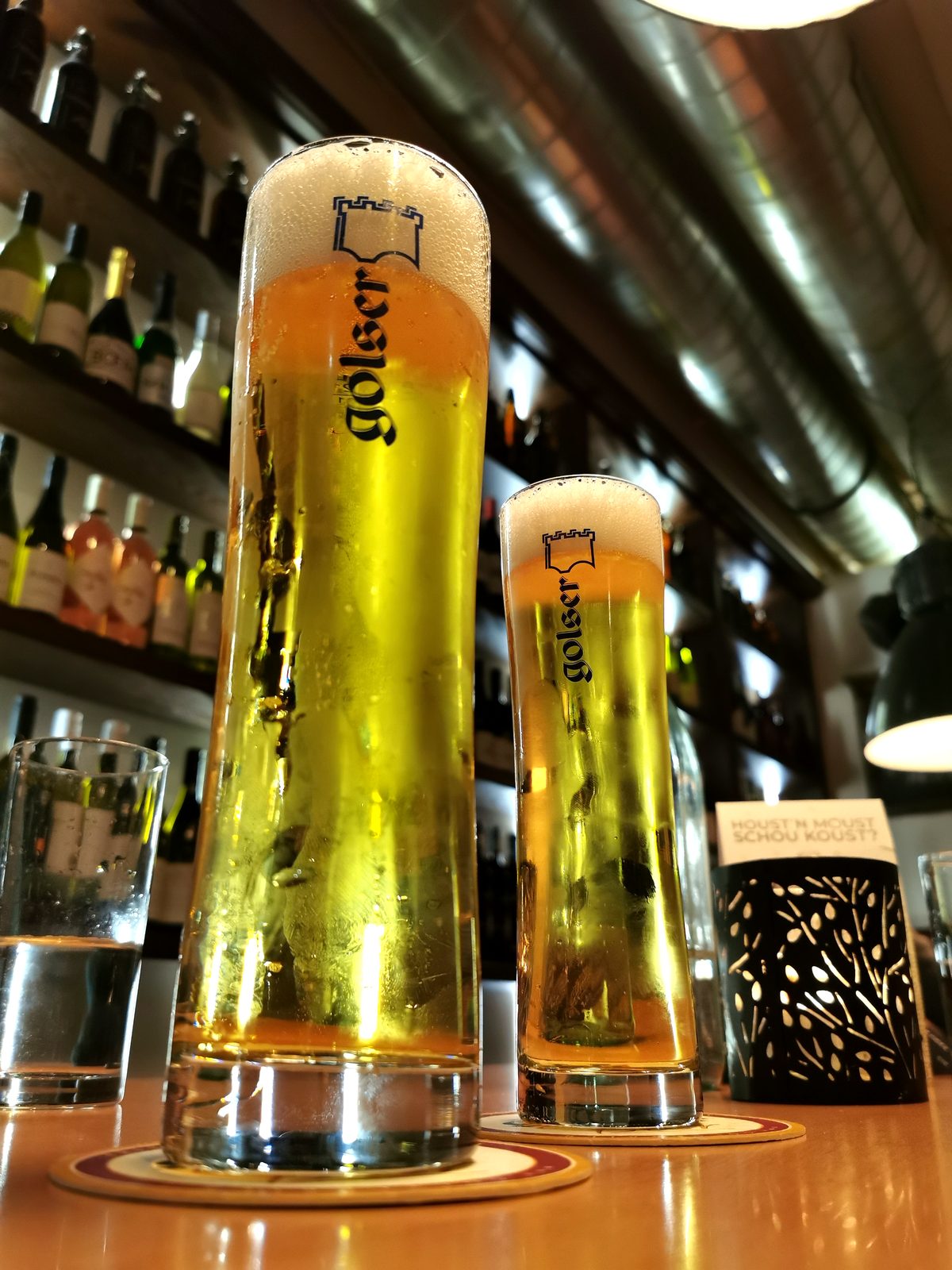
An indispensable part of each of our stays in Vienna is their fast street food. We regularly go to Leberkas-Pepi (at the location in Operngasse) or to the Bitzinger kiosk for the famous Käsekrainer (a sausage stuffed with cheese). That’s the authentic taste of the city that you don’t skip. Besides that, an obligatory stop for us is always the Naschmarkt, the most famous and liveliest Viennese market, where we love to eat, on the go, by far the best falafel.
Palaces and modern culture
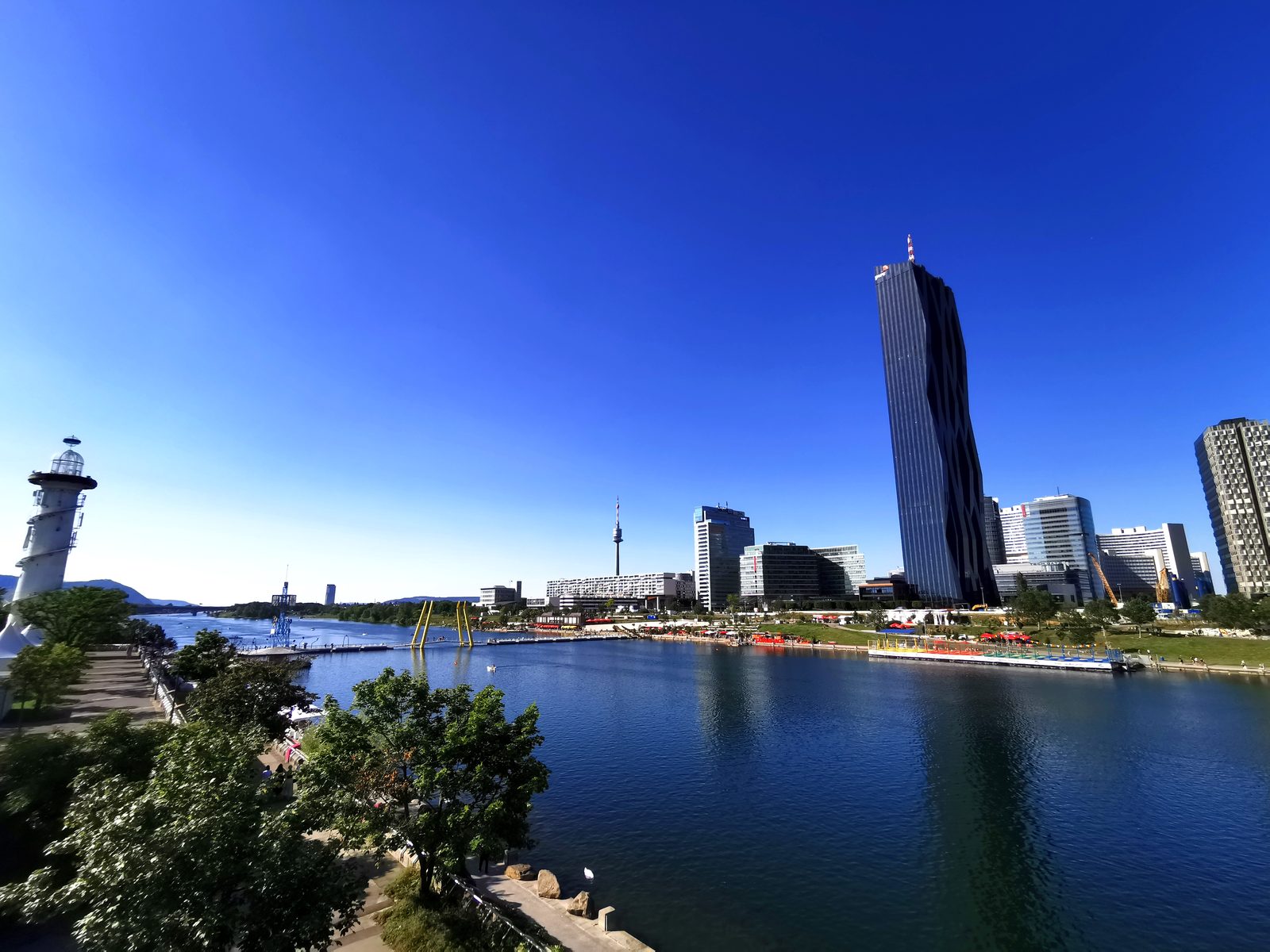
- Schönbrunn and the Gloriette: The unmissable summer residence of the Habsburgs. Besides the palace itself, be sure to walk through the massive manicured paths and climb the hill up to the Gloriette – from there stretches a phenomenal, wide view of the whole city.
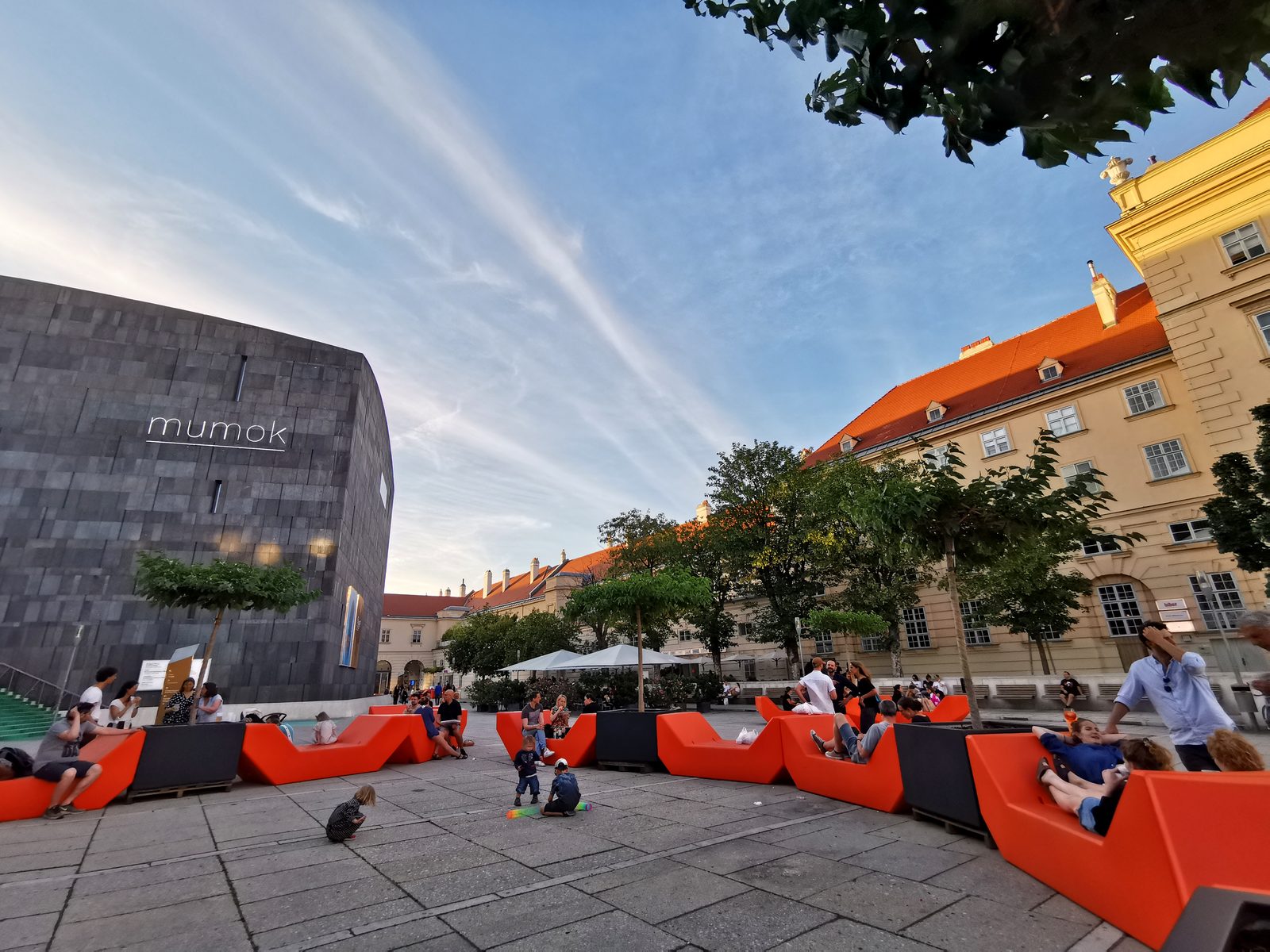
- MuseumsQuartier (MQ): The largest cultural district in the world. It’s a huge square where museums of modern art are housed, but also a place where locals come to sit on those famous, huge geometric benches (Enzi) and drink beer.
- The Prater: The famous amusement park. Even if you’re not a fan of roller coasters, it’s worth a walk in the evening, to feel that chaotic energy and see that old, recognisable wheel (the Riesenrad).
A trip outside the city that delighted us: The abbey and the little town of Melk
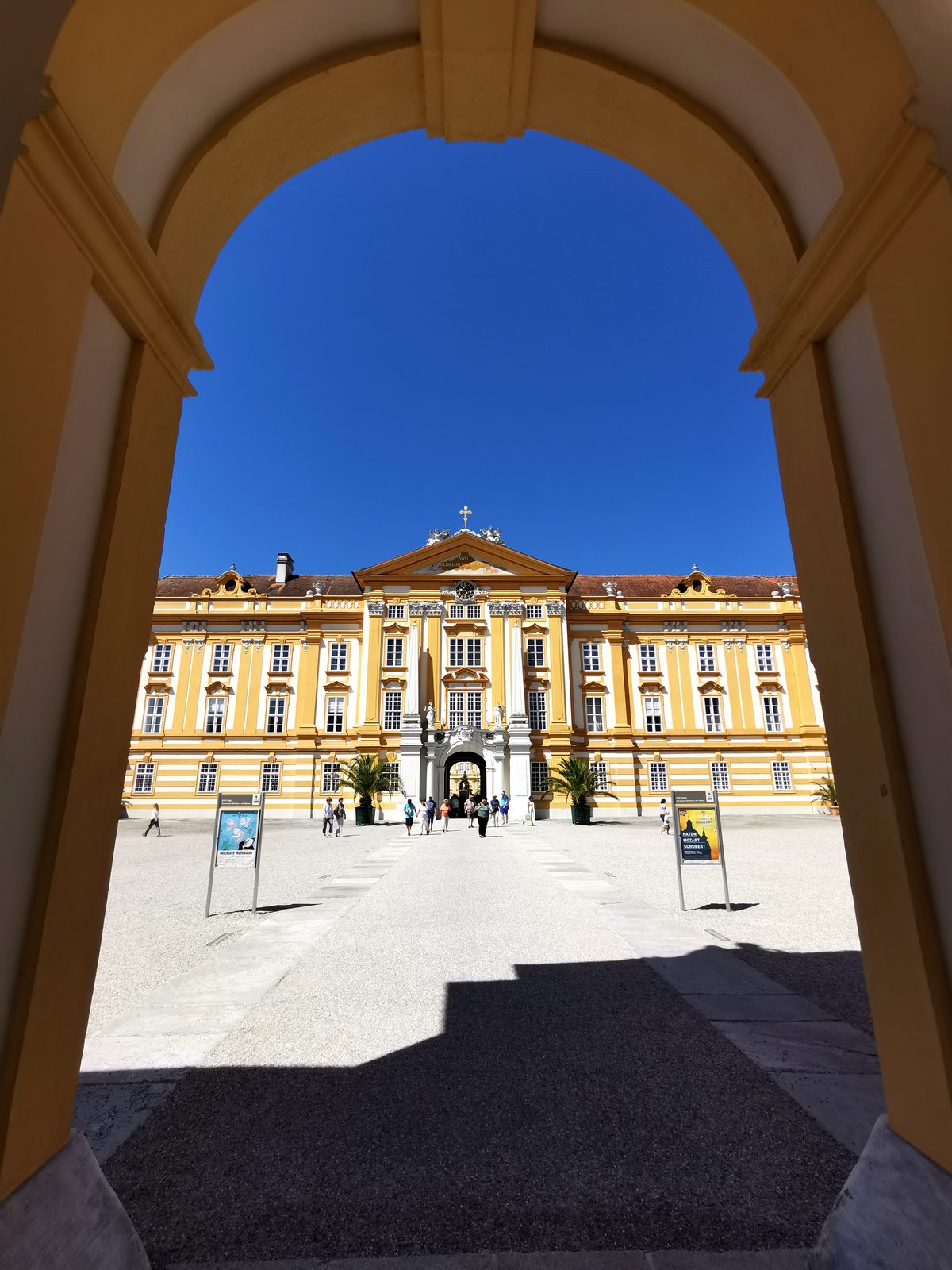
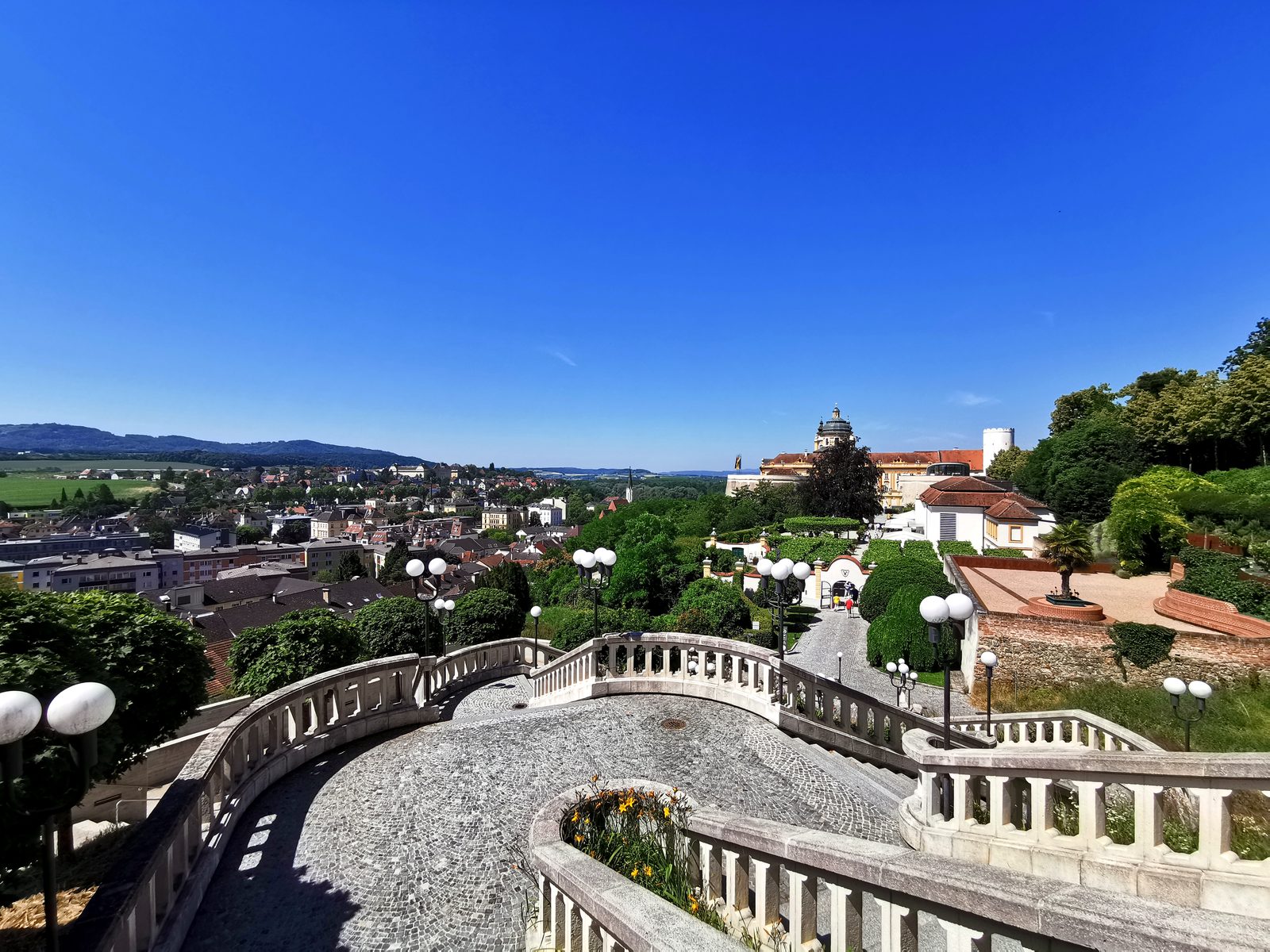
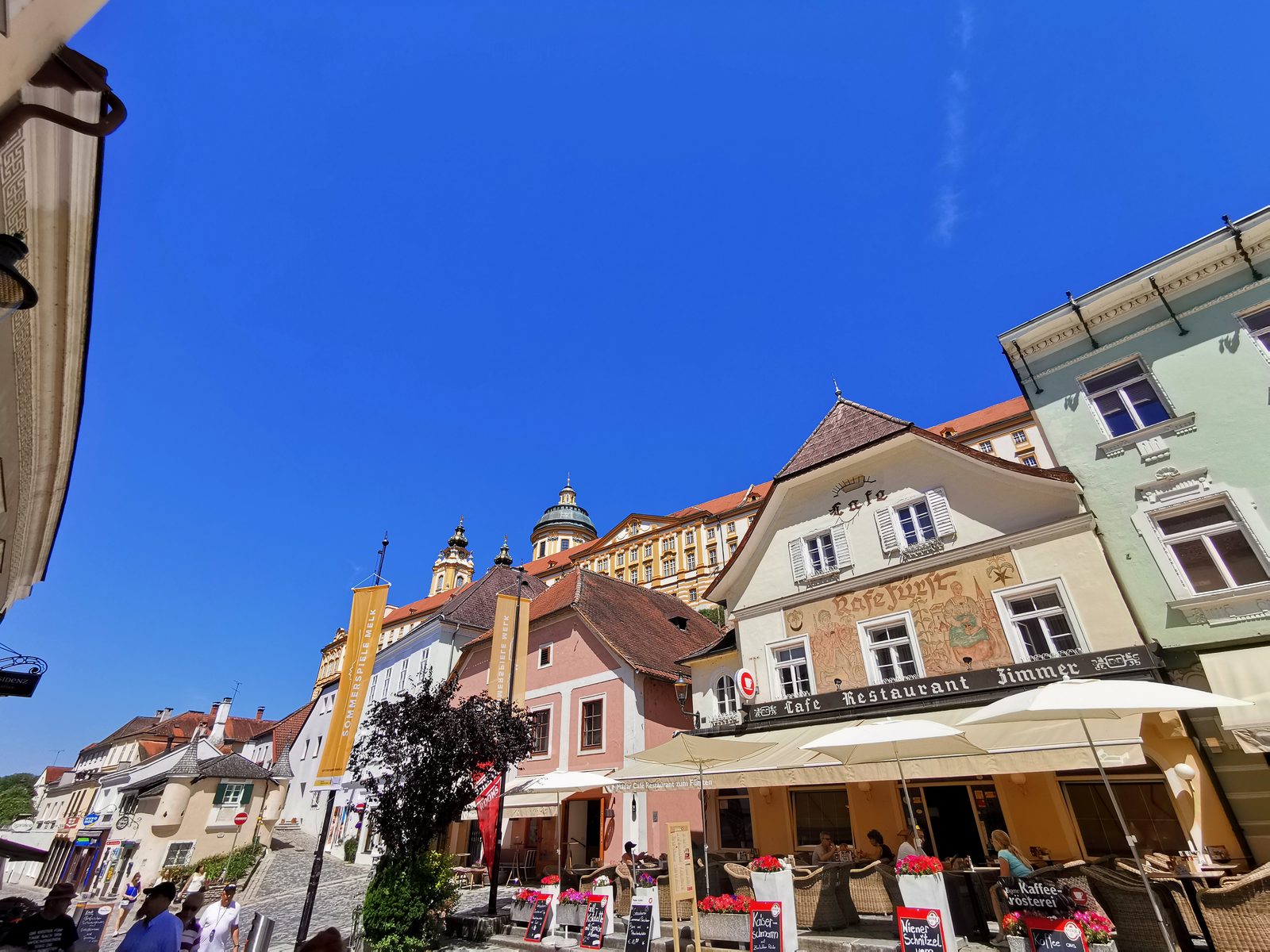
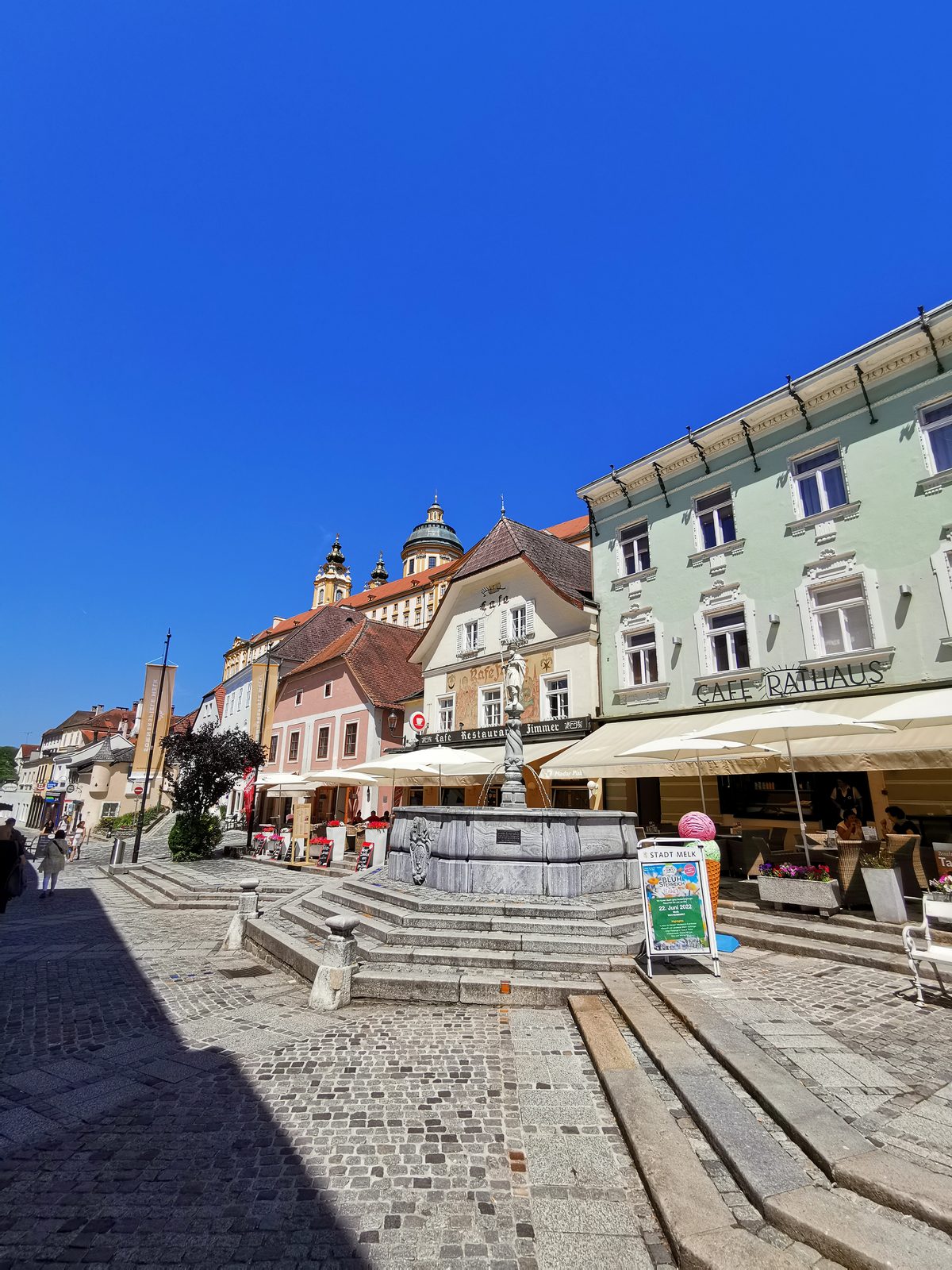
Although Vienna itself offers a range of interesting things, what perhaps delighted us the most lies outside the city itself. It’s the little town of Melk and the magnificent complex of the abbey of the same name (Stift Melk), which rises on a hill above the town itself.
Entering there is literally like a walk through history. Passing through the old, massive abbey library full of ancient books is breathtaking, just like looking at that beautiful, lavish church architecture and the golden halls. After we’d toured the complex, we went down into the little town of Melk itself. The place exudes an incredible, peaceful Austrian charm, ideal for a leisurely stroll. There we found an excellent restaurant and had a relaxed lunch, which rounded off this trip perfectly.
Vienna simply asks you to surrender to it. Don’t rush, get off at some unknown metro station, warm up at a Christmas market or stroll through the palace gardens in spring – each time it will reveal something new to you.
Useful links for organising the trip:
- Park & Ride (P+R) Vienna: parkandride.at – Official locations and prices of the cheapest city garages on the outskirts of the city.
- ÖBB (Austrian Railways): oebb.at – Searching timetables and buying tickets (including the train from the airport and trips to Melk).
- WienMobil app: wienerlinien.at – The official website of Vienna’s public transport for downloading the app and buying daily tickets.
- Melk Abbey (Stift Melk): stiftmelk.at – The official website for checking opening hours and buying tickets for a tour of the abbey and the old library.
- Schönbrunn Palace: schoenbrunn.at – Information about the palace, the gardens and the Gloriette.
- Christmas markets in Vienna: wien.info – Vienna’s official tourist portal, where each winter a detailed map is published with the exact locations of all the festive markets in the city.