

Returning home from a summer holiday always carries a slight touch of melancholy, but we decided to postpone that feeling for one more day and stretch the trip with a visit to Dubrovnik. It wasn’t strictly on our route, yet we couldn’t pass up the chance to see this city and finally fulfil a long-standing wish.
Today many recognise it first as King’s Landing from the mega-popular series Game of Thrones, but Dubrovnik is incomparably more than a film set. It is a city of white stone, mighty walls, rich history and the memory of the old Dubrovnik Republic — a place that still bridges the gap between its past and a vibrant, tourist-filled present. It is no accident that the Old Town has been on the UNESCO World Heritage list since 1979.
White stone, mighty walls, and the quiet magic of the old town.
Arrival in the city
We drove to Dubrovnik across the Pelješac peninsula, and the journey itself became part of the experience. As we approached, the sea, the rocky coastline and the green slopes took turns in the window, and it was hard to stay indifferent to the landscape that followed us almost the whole way.
Skip the stress of driving into the old core. Leave the car at the public garage at Ilijina Glavica or in the car parks by Gruž port, about 3 km from the centre, then walk down or hop on a local bus. You will cut costs, dodge the worst of the crowds and avoid a fine in the restricted-traffic zones.
A walk through history
The Old Town is the heart of Dubrovnik, and the vast Pile Gate makes an immediate impression. The moment we passed through it and stepped onto the Stradun, it felt as though we had left the modern city behind and travelled back in time.
The first sight to greet us was the great Onofrio’s Fountain, part of Dubrovnik’s water-supply system from the 15th century. Close by stands the Franciscan Monastery, whose complex holds one of the oldest working pharmacies in Europe.
The Stradun is probably the most famous street in Dubrovnik, and almost every visitor walks its length. Over the centuries its stone has been polished by countless footsteps until it gleams in the sun. Historic buildings, shops, restaurants and cafes line both sides, while the side streets open onto small squares and steep stone staircases.
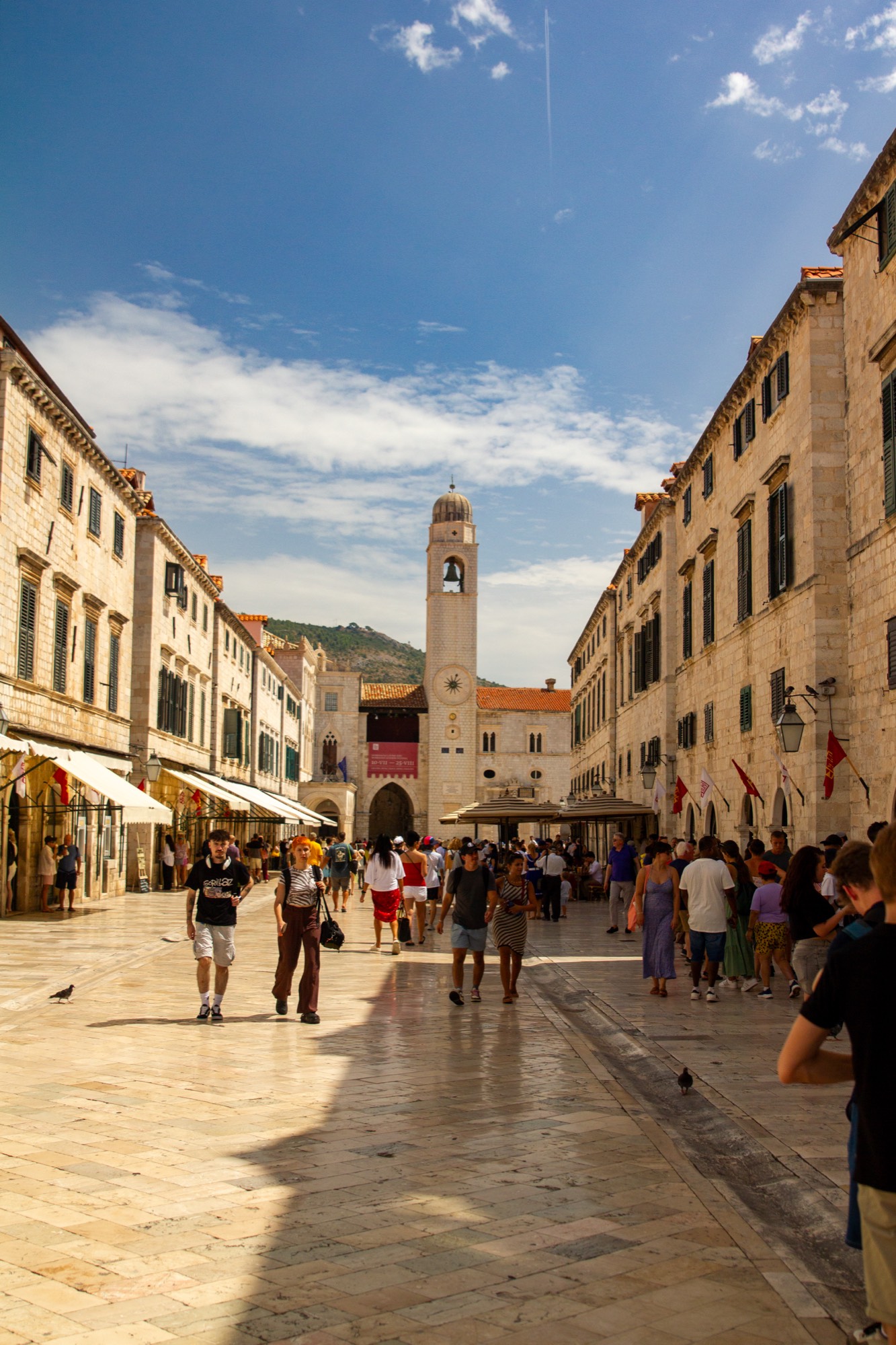
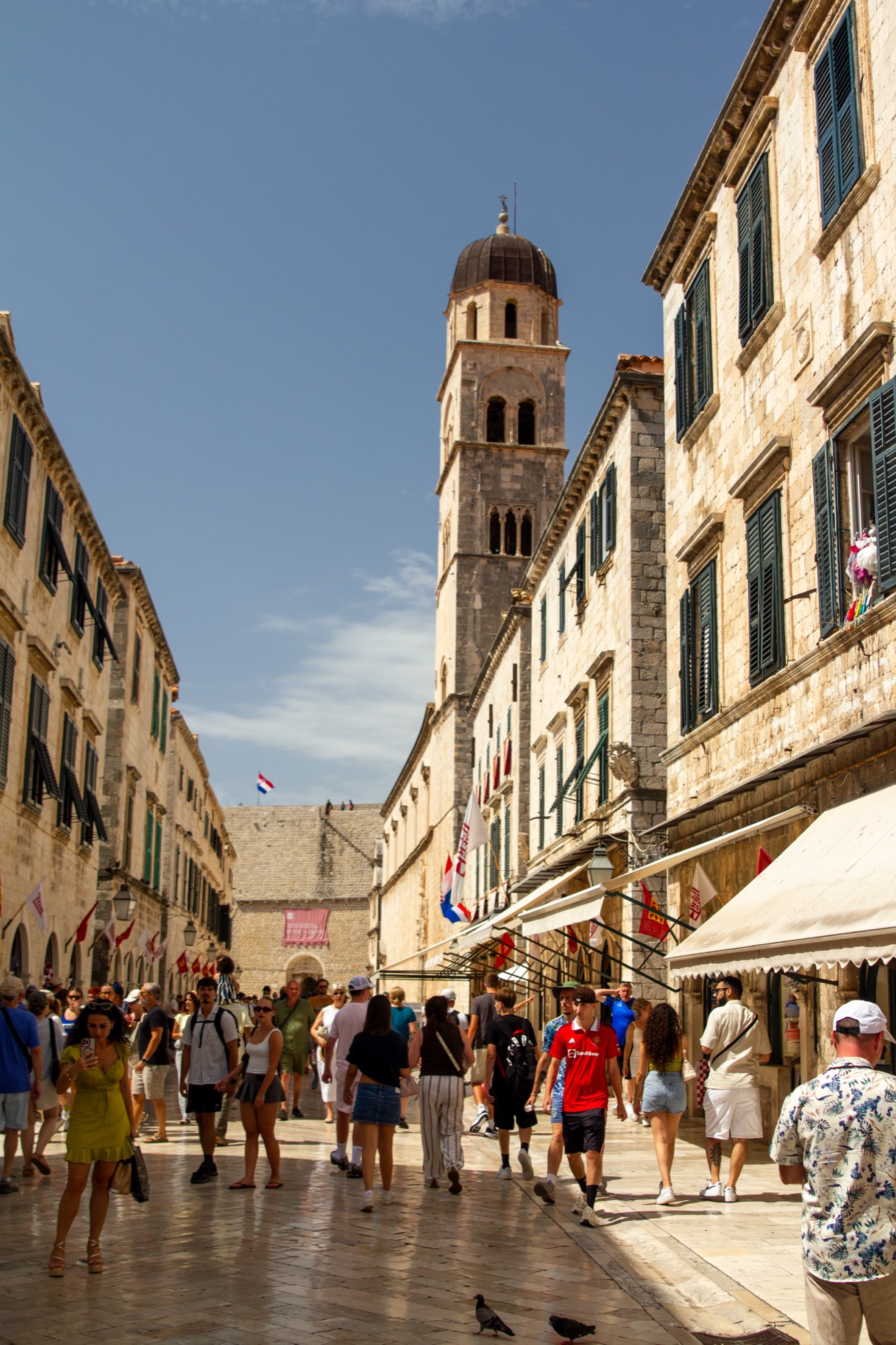
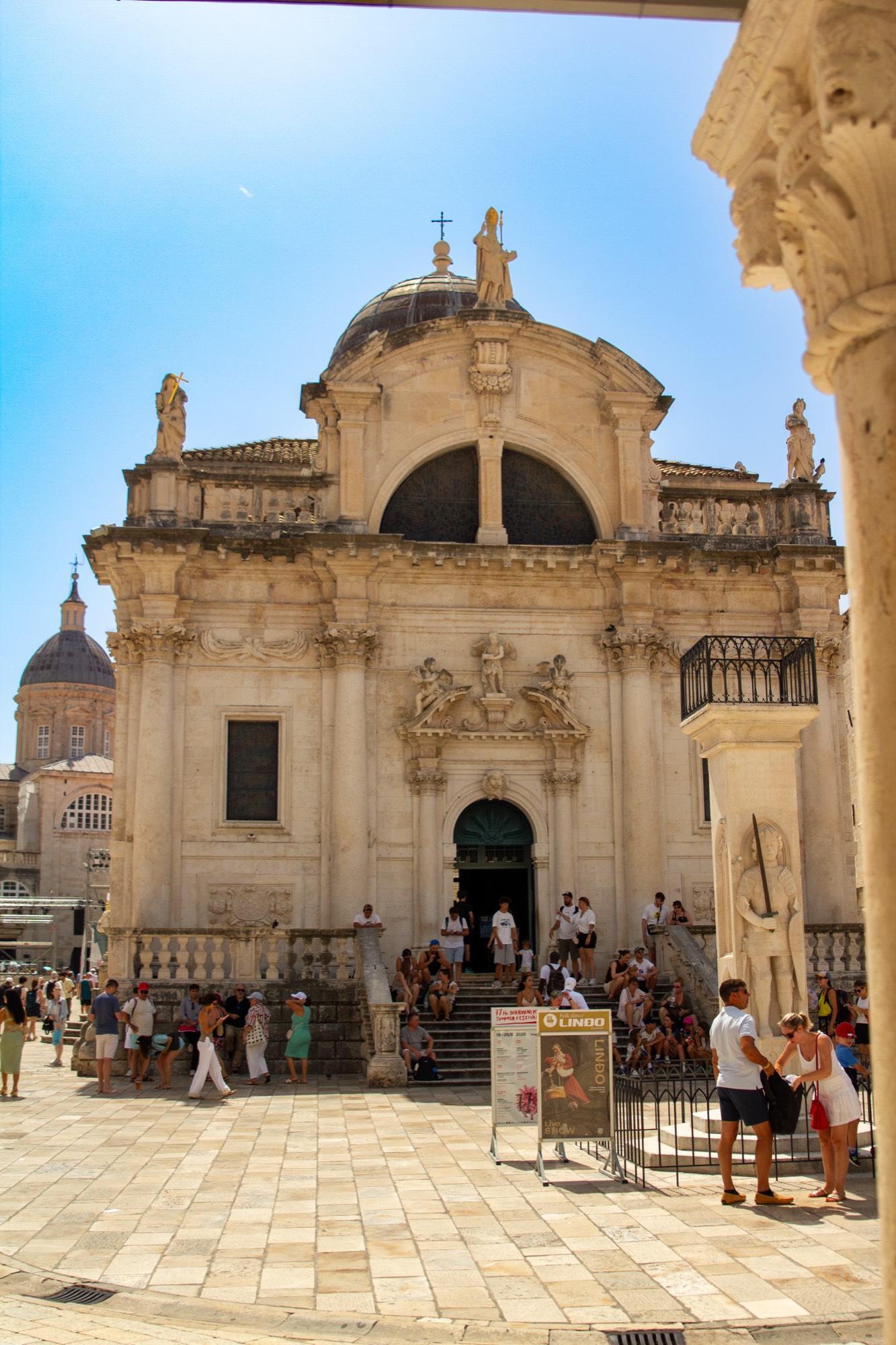
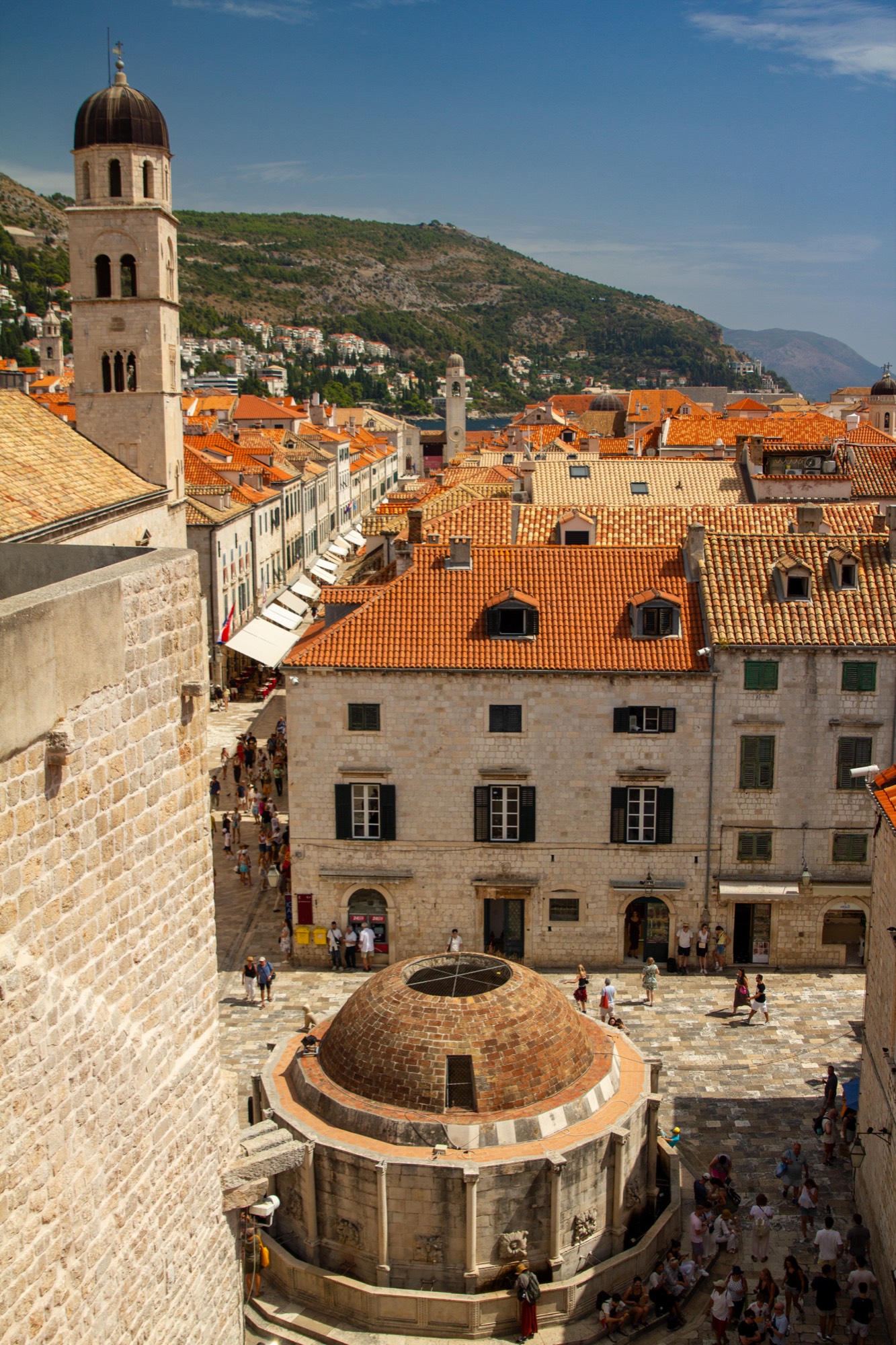
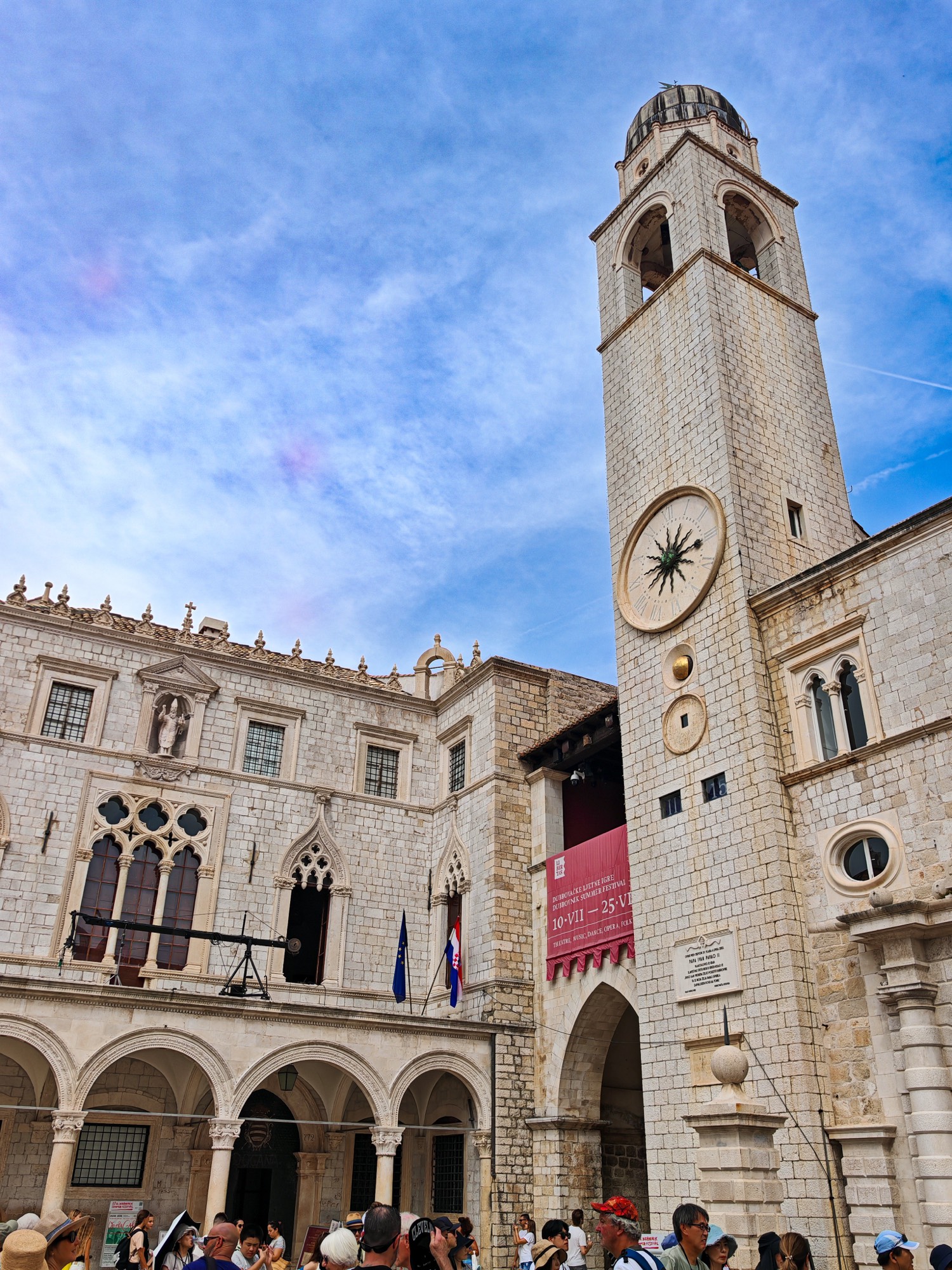
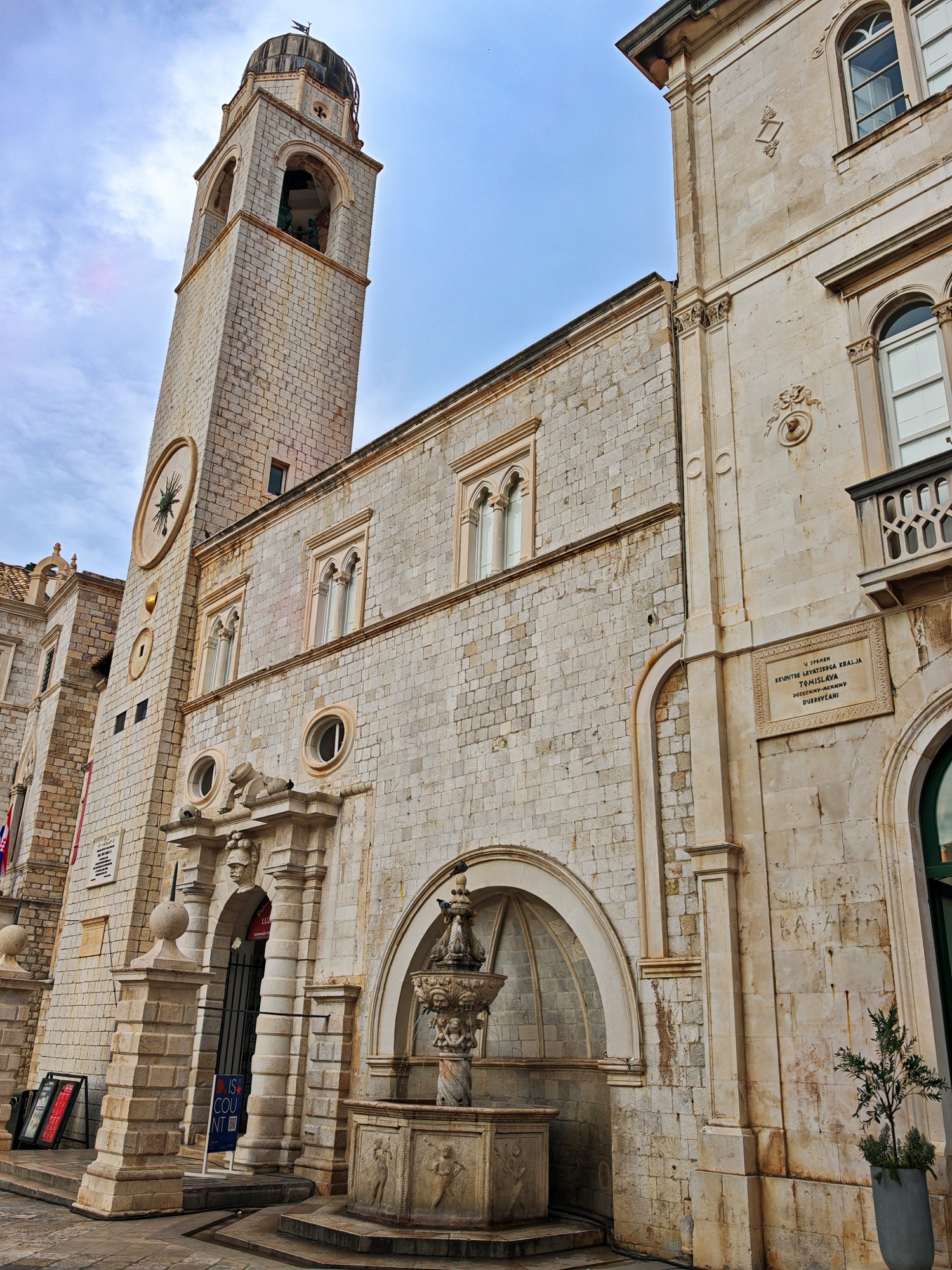
At the far end of the Stradun we were met by the Luža Bell Tower, Sponza Palace, Orlando’s Column and the Church of St Blaise, the patron saint of Dubrovnik. Everything sits just a few minutes’ walk apart, yet we stopped at almost every step, each new detail tempting us to linger a little longer.
Breathtaking city walls
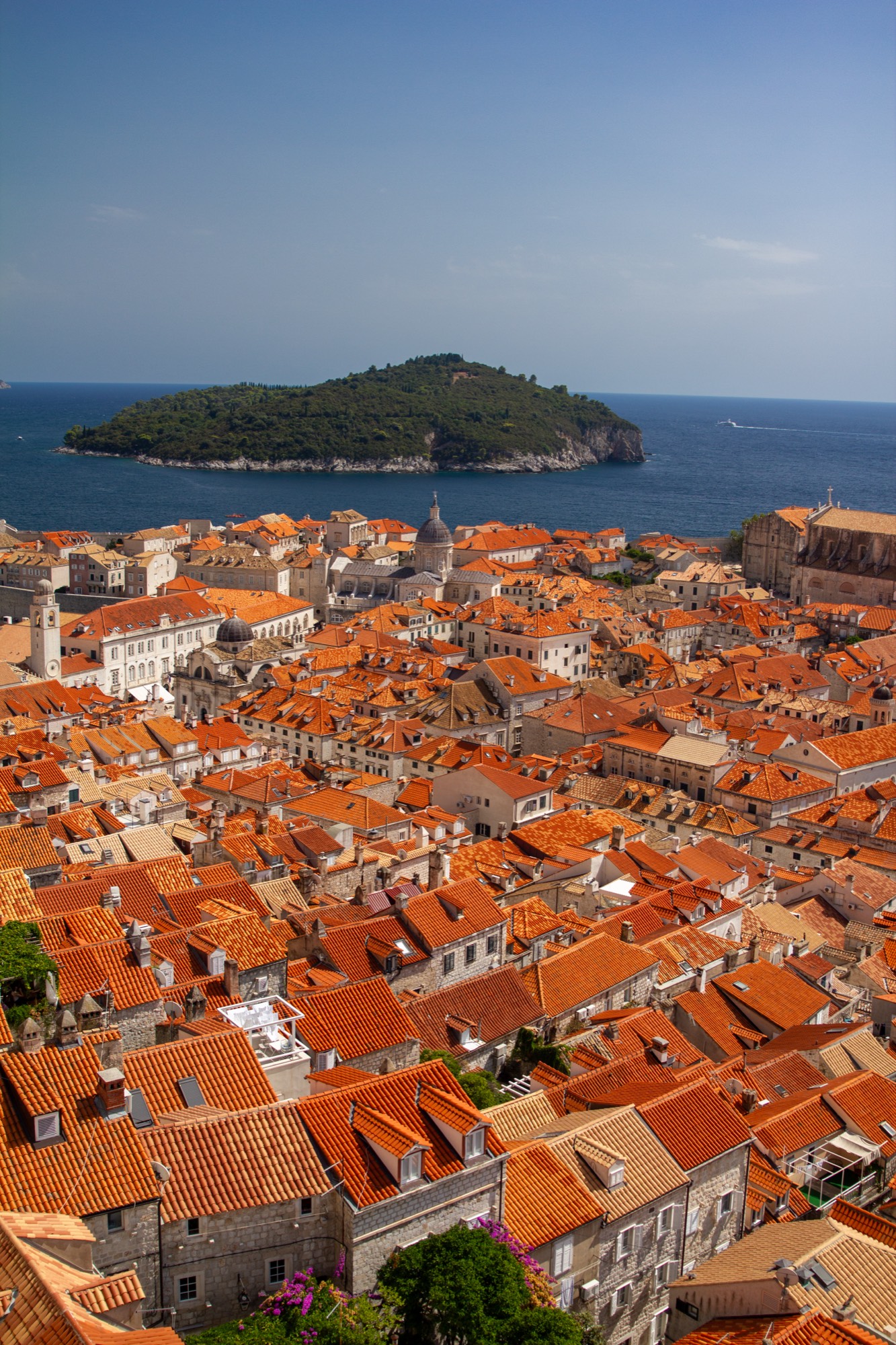
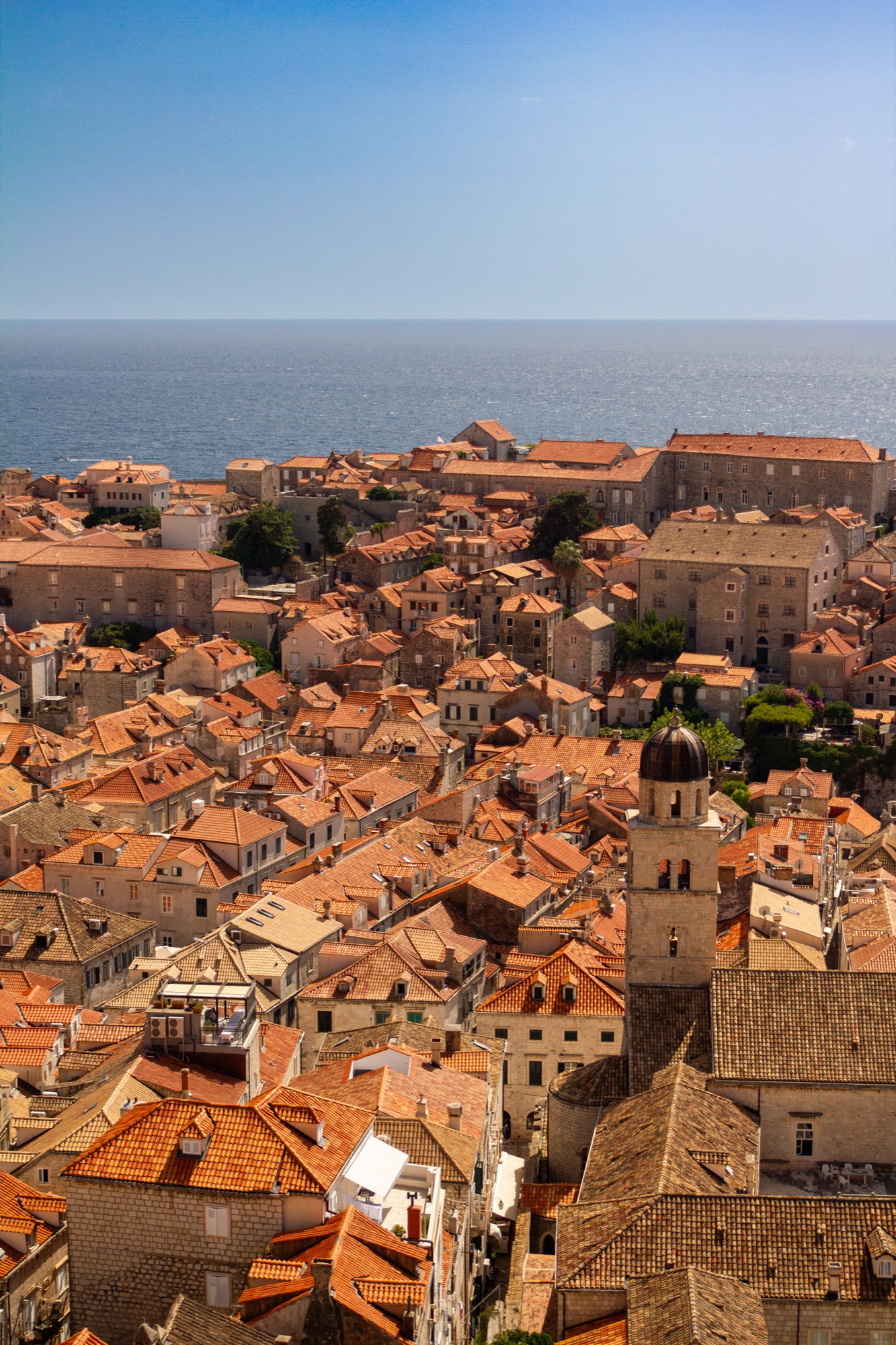
What you absolutely must not skip are the Dubrovnik city walls. Roughly 1,940 metres long, they wrap the Old Town in a continuous ring and open up a stunning view over the red roofs, the island of Lokrum and the open sea. It is from up here that the city takes on a completely different face.
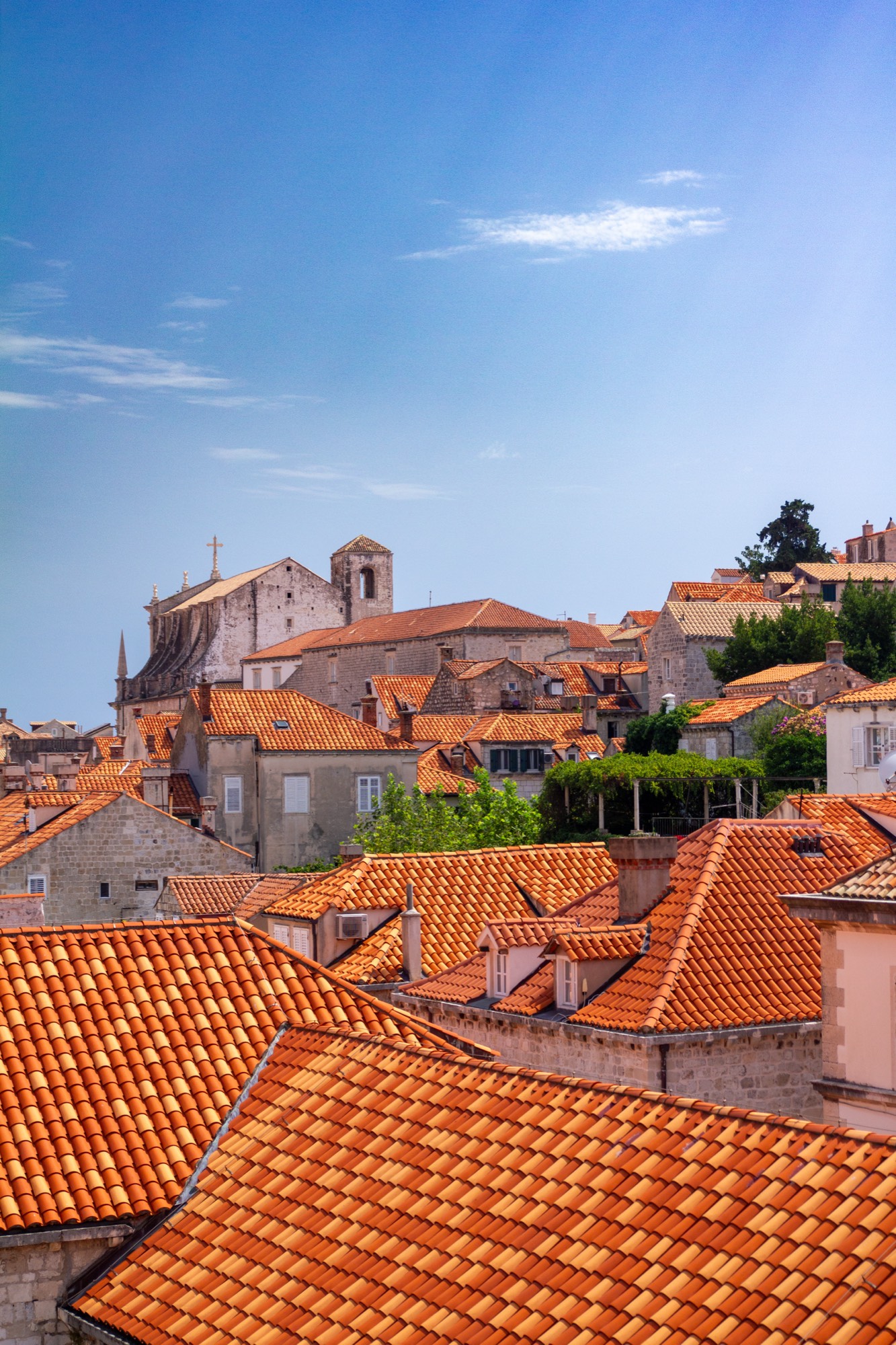
Set off early in the morning or in the late afternoon: the walls face the full sun, there is almost no shade, and both the heat and the cruise-ship crowds peak at midday. Bring water and comfortable shoes, and buy your ticket in advance through the official City Walls website.
The walk is by no means easy. The stairs, the climbs and the summer heat quickly make themselves felt in your legs, and you soon realise that circling the walls is not only sightseeing but a small physical challenge. The full loop takes roughly one to two hours, depending on your pace and how often you stop.
Every bit of effort becomes irrelevant the moment you pause and look around. On one side stretch the red roofs, bell towers and narrow lanes of Dubrovnik; on the other, the endless blue of the Adriatic.
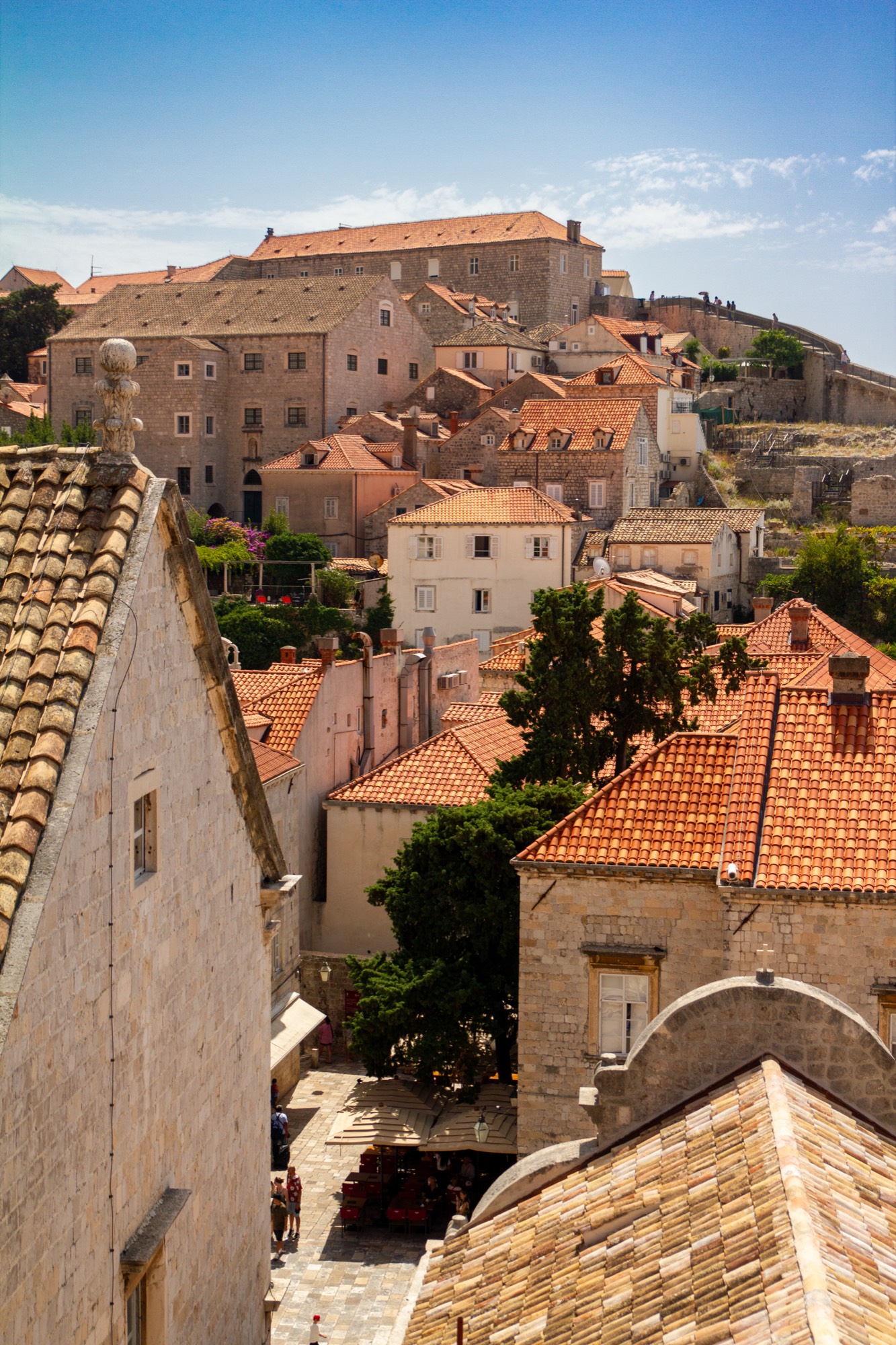
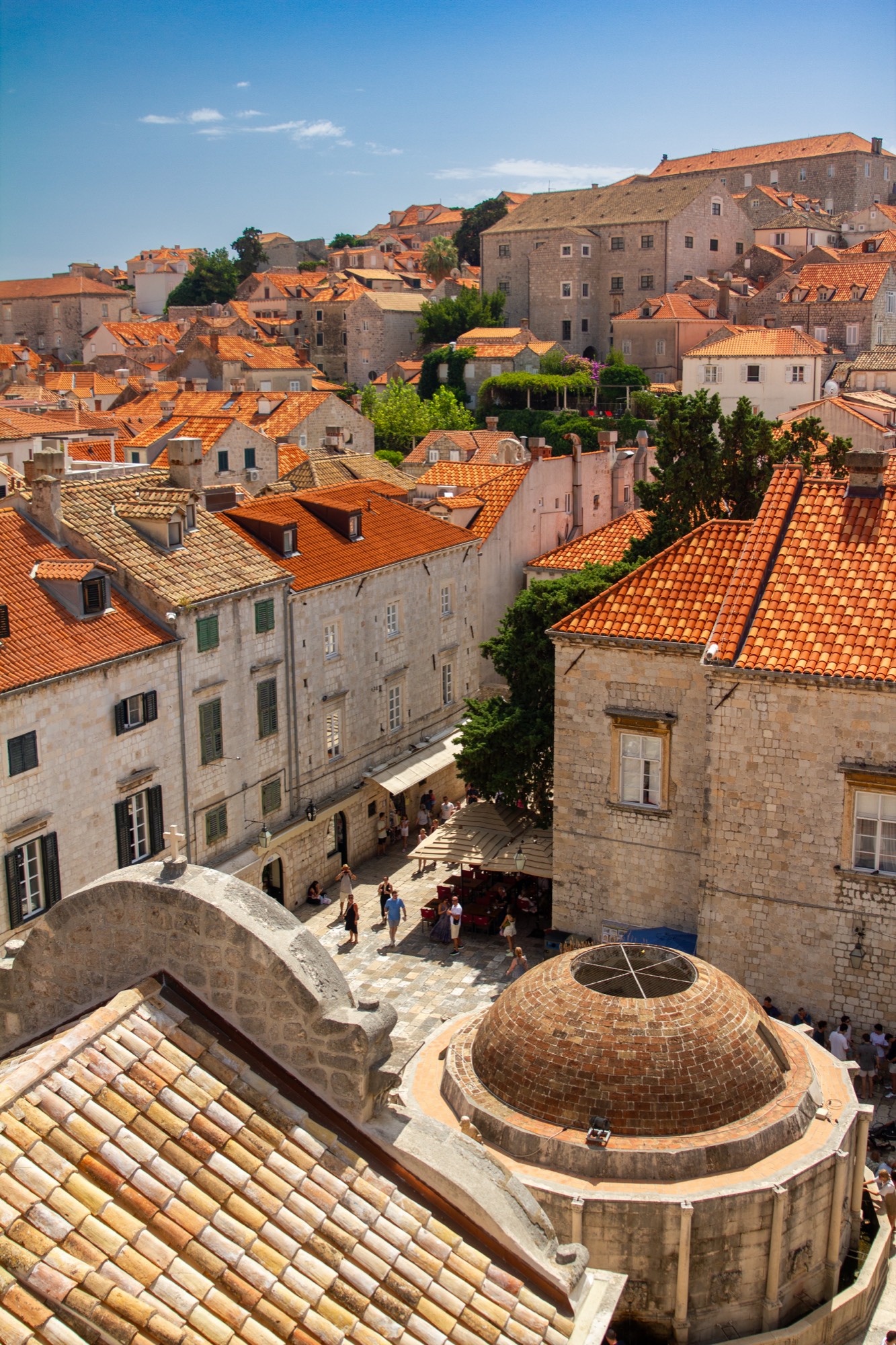
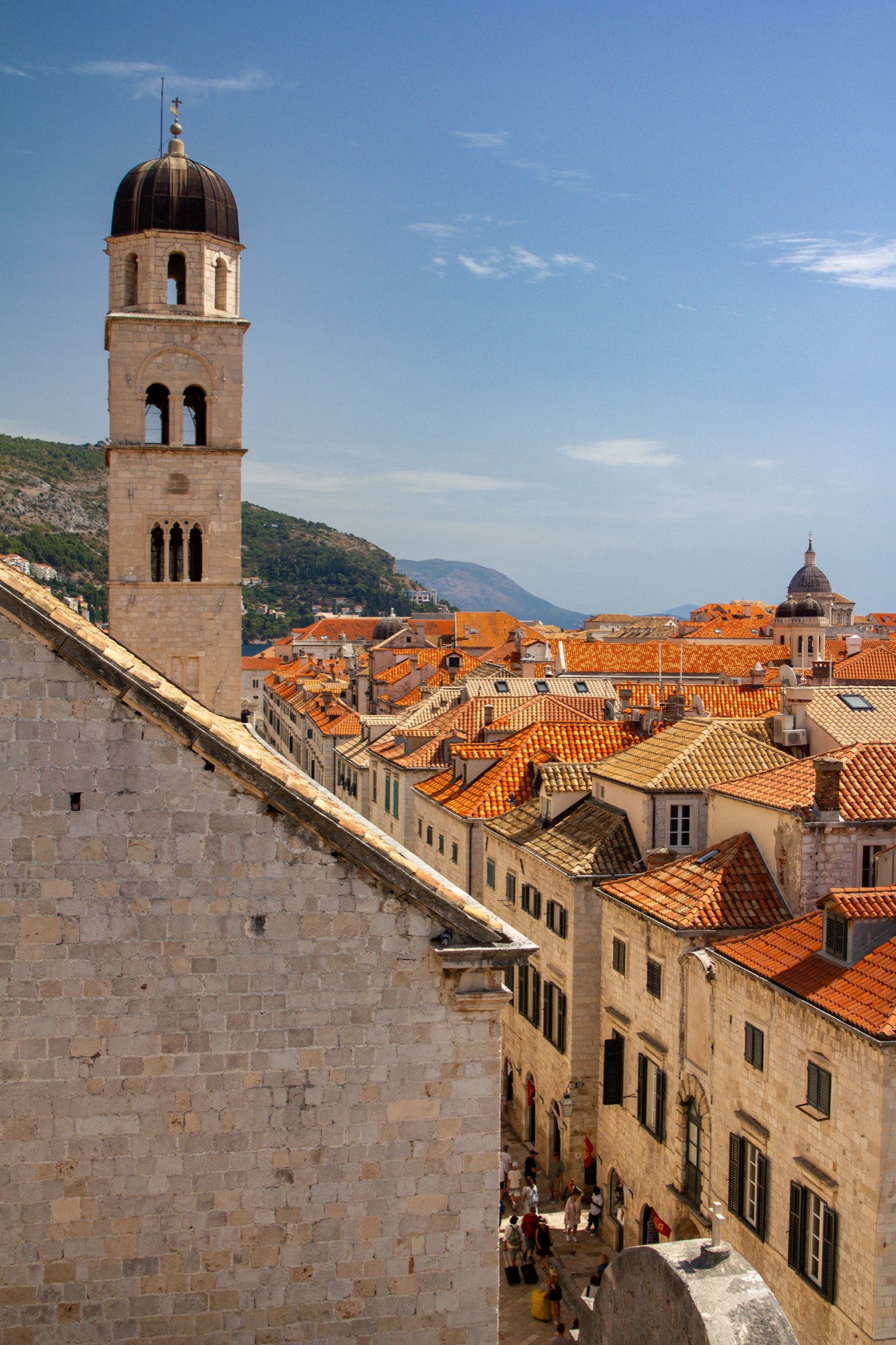
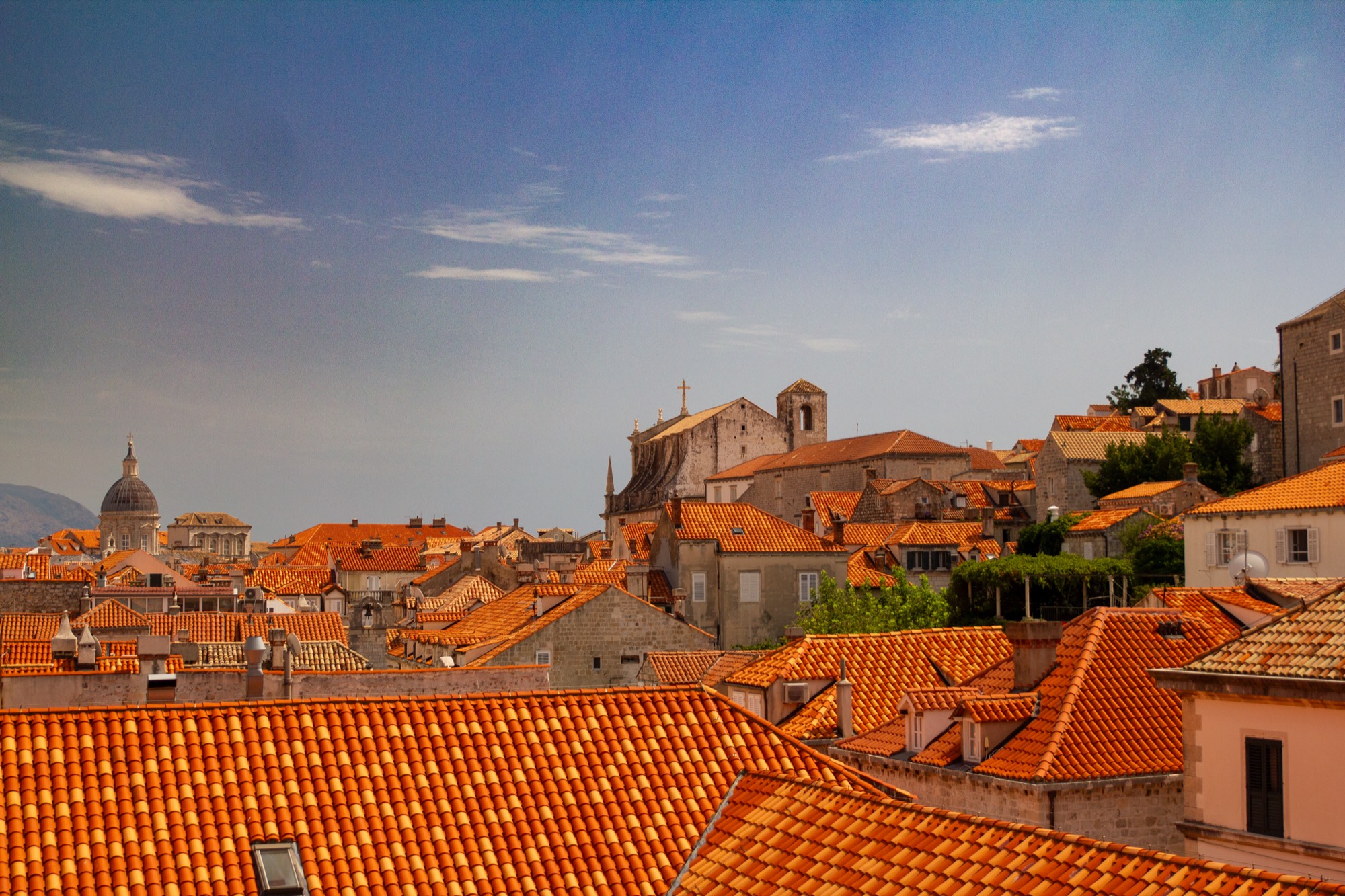
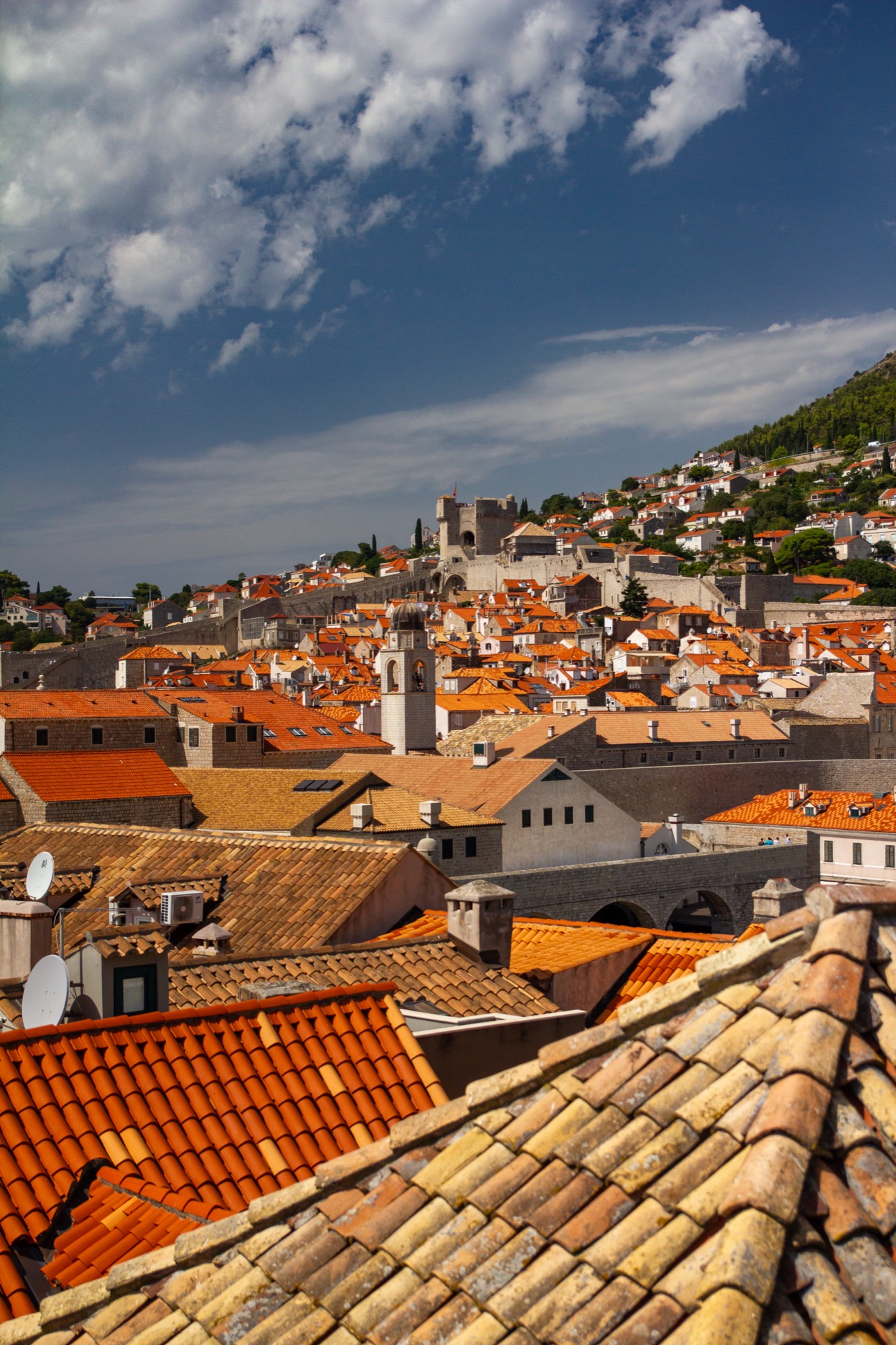
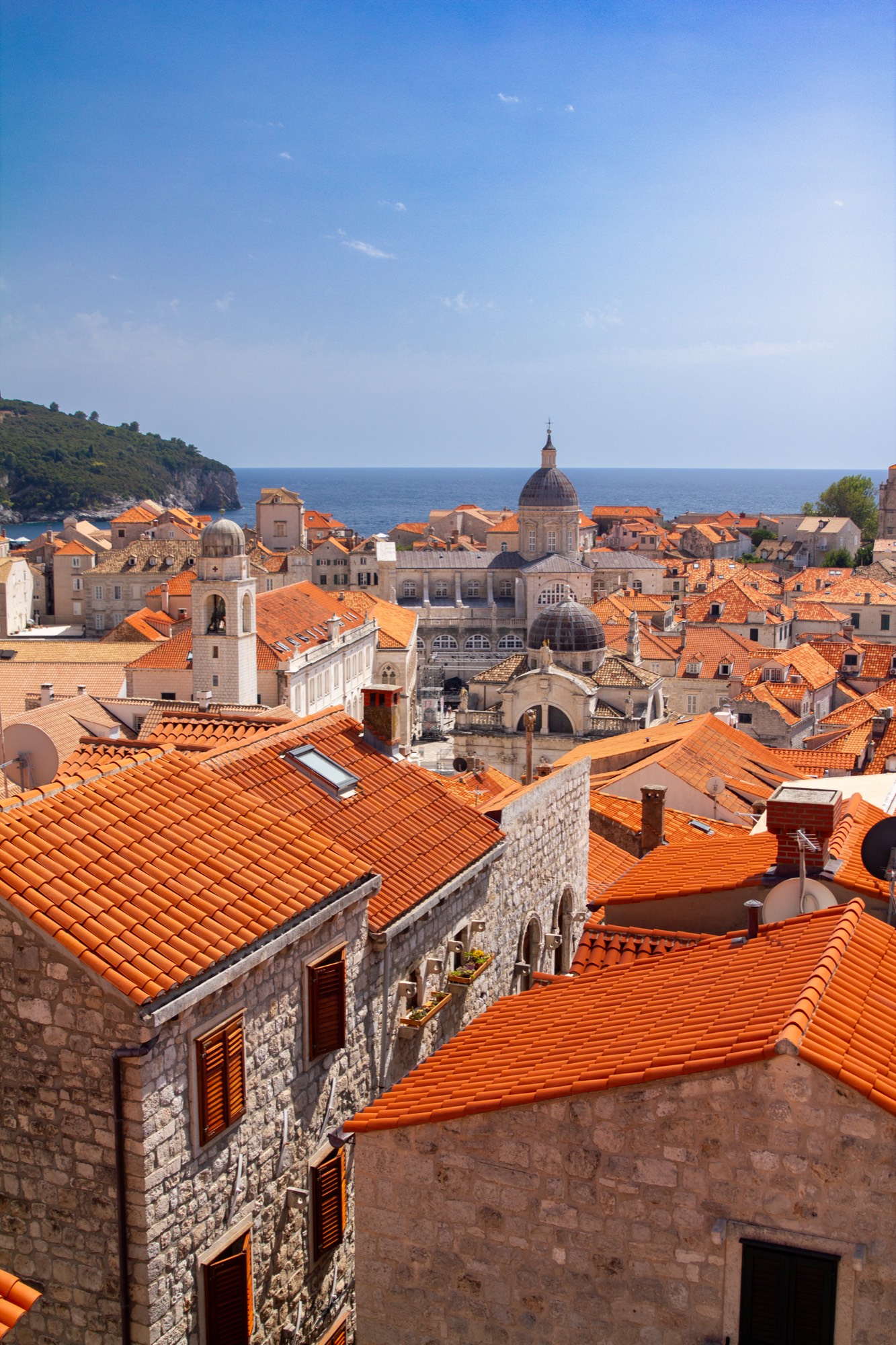
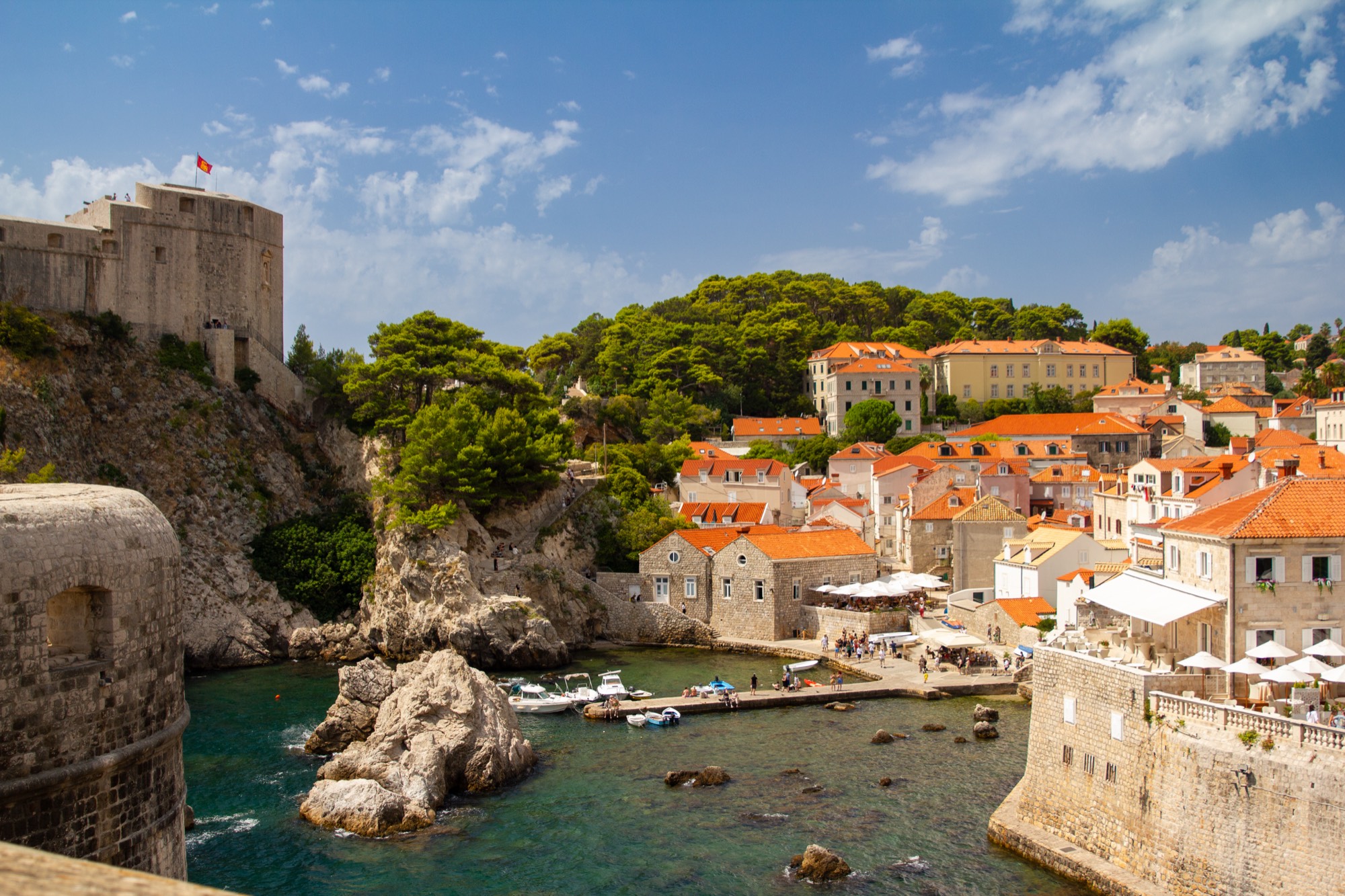
As we reached the western stretch of the walls, Fort Bokar appeared before us — a powerful, round structure that seems to rise straight out of the sea. Opposite it, perched on a high cliff and cut off from the city by the water, stood Fort Lovrijenac. It was easy to understand why these fortifications were vital to Dubrovnik’s defence for centuries.
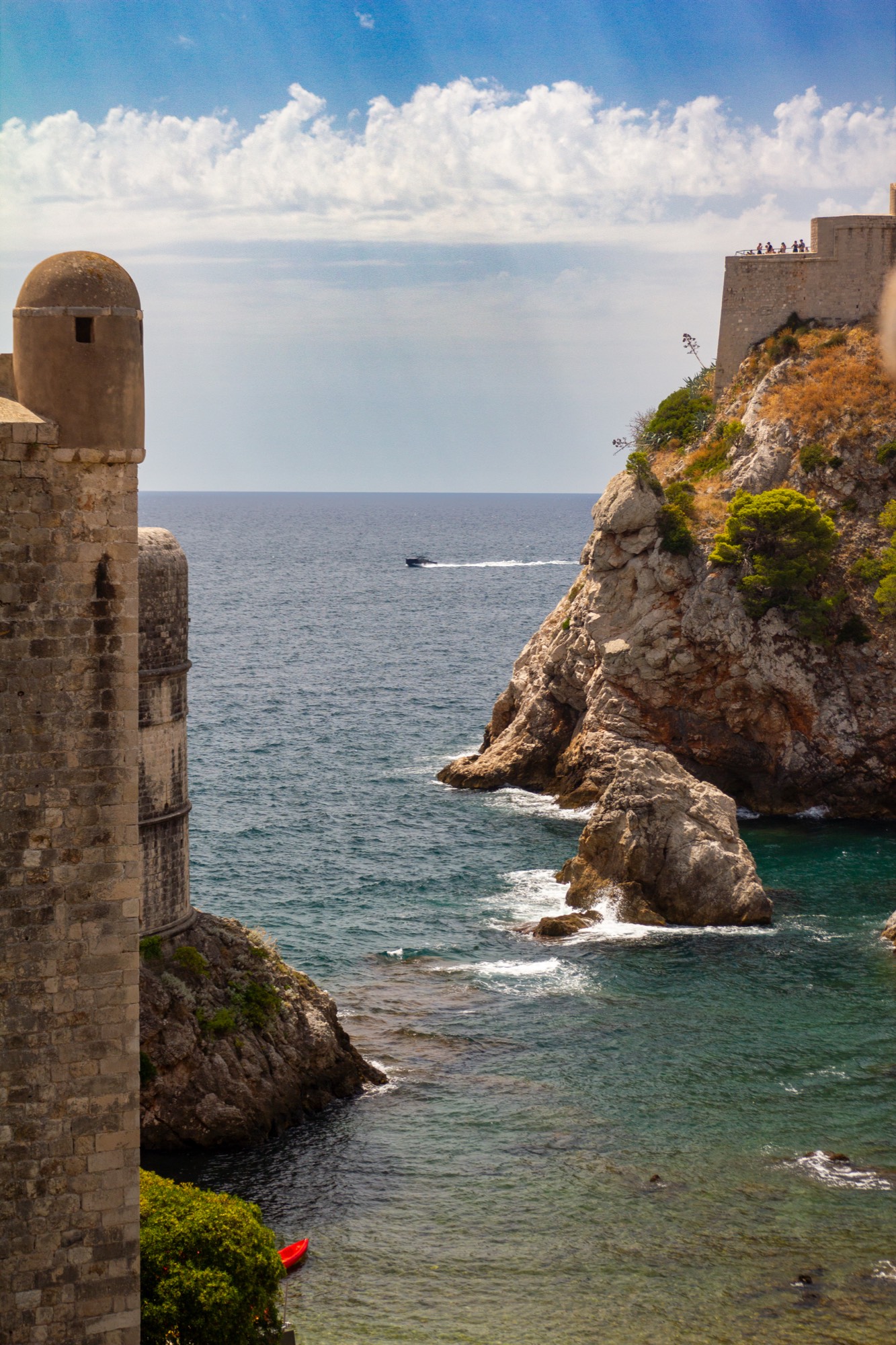
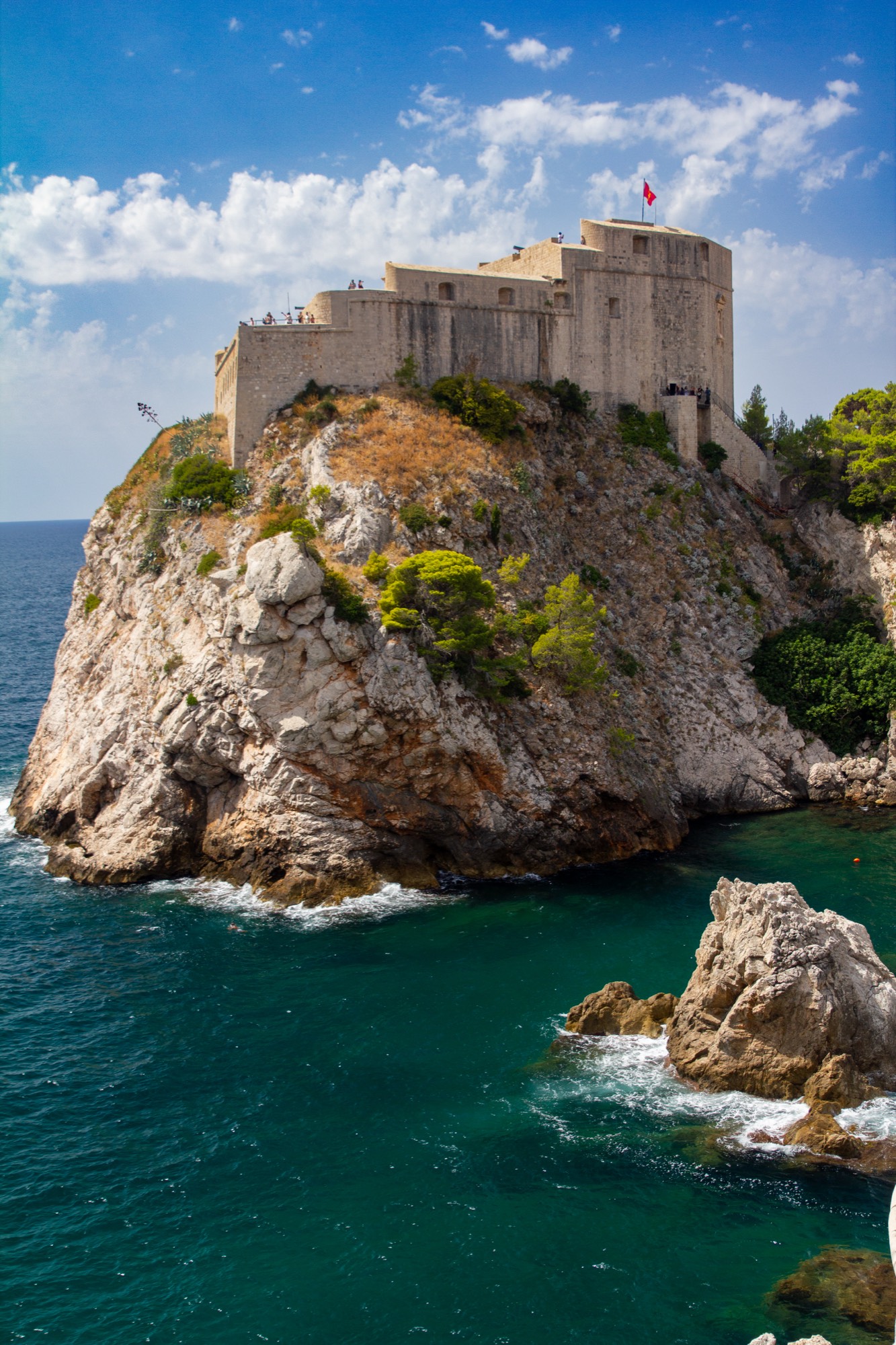
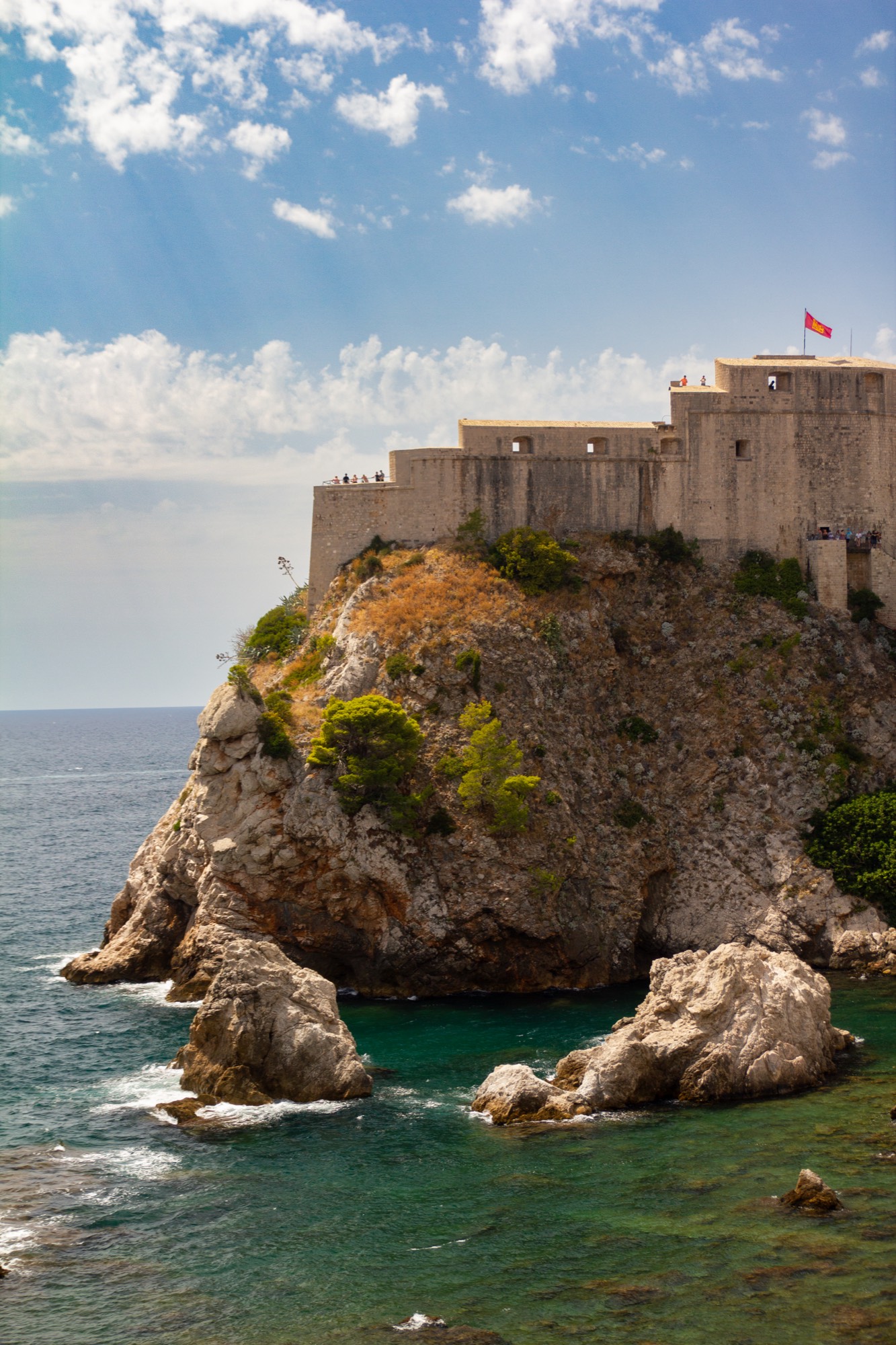
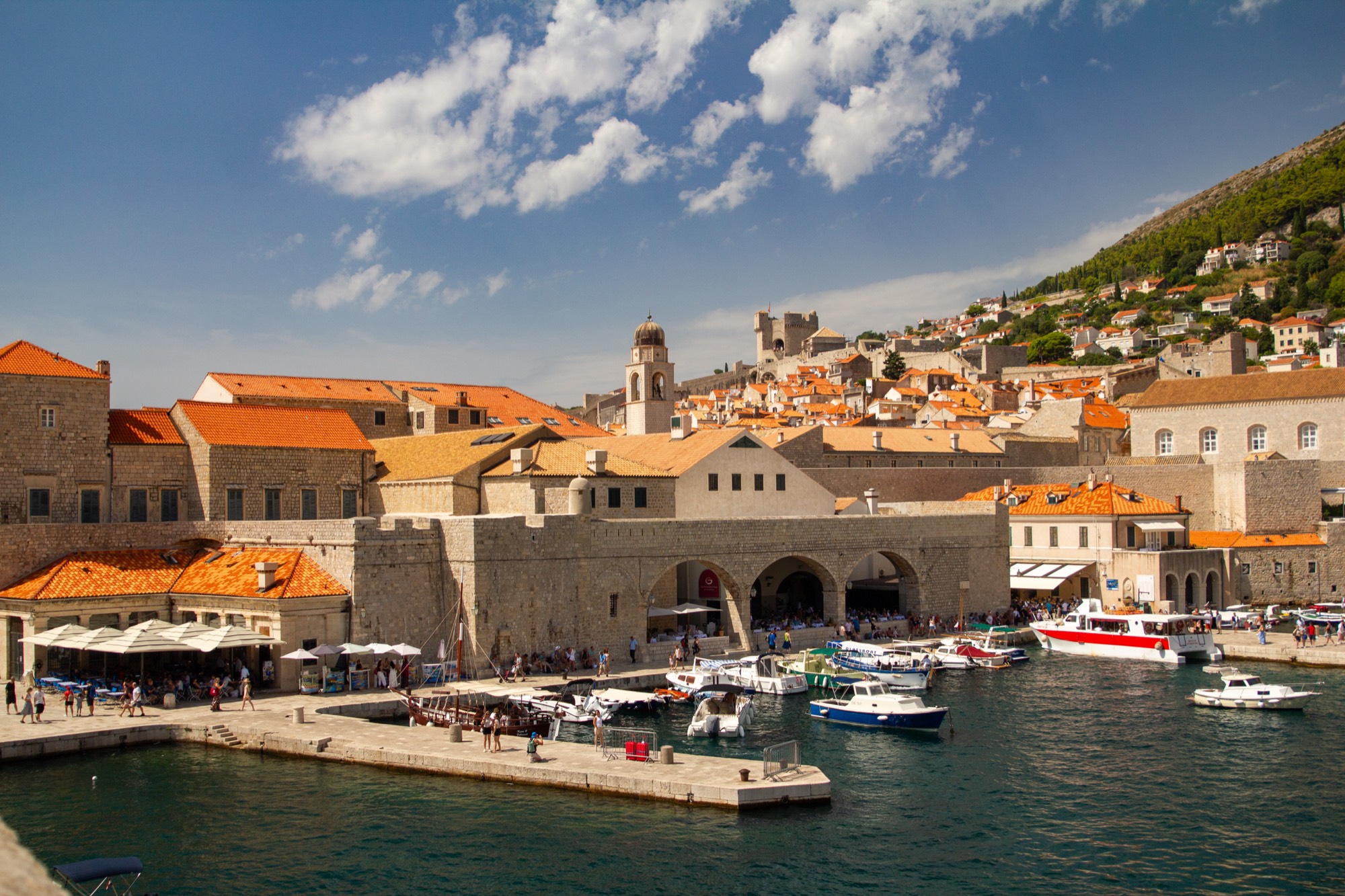
Further along, our gaze was drawn to the Dubrovnik port. Seen from the walls it looked entirely different from the way it does at sea level: ships and small boats criss-crossed the water while the sun scattered dazzling reflections across it. We stopped just to take it in, struck again by how deeply this city has always been bound to the sea.
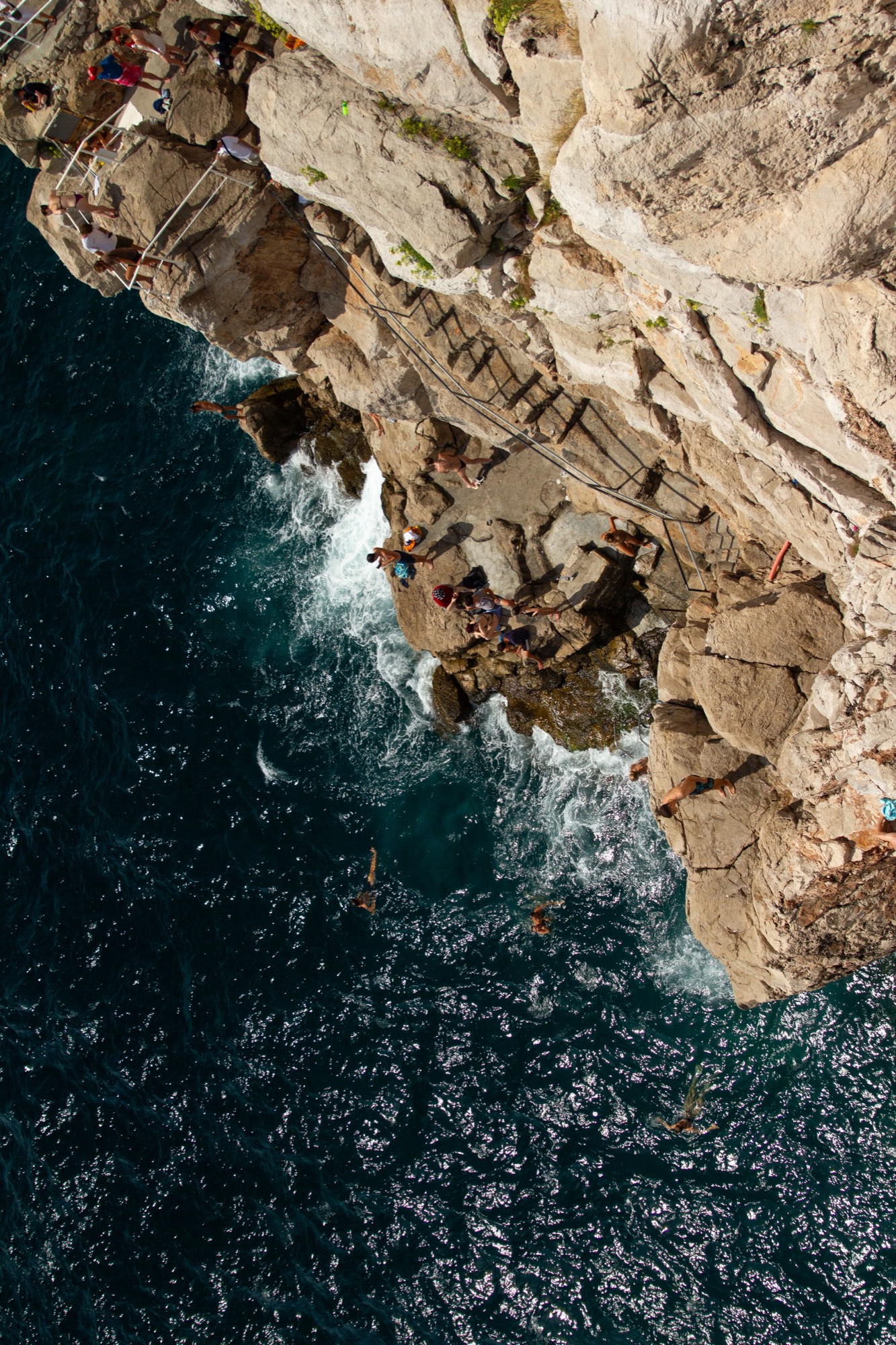
From the walls we also spotted Buža, an unusual swimming spot set right on the rocks beneath the city. It is no classic sandy beach but a run of rocky terraces above the sea, where people were sunbathing and diving into the water. There is something wonderfully unexpected about seeing bathers so close to the ancient walls.
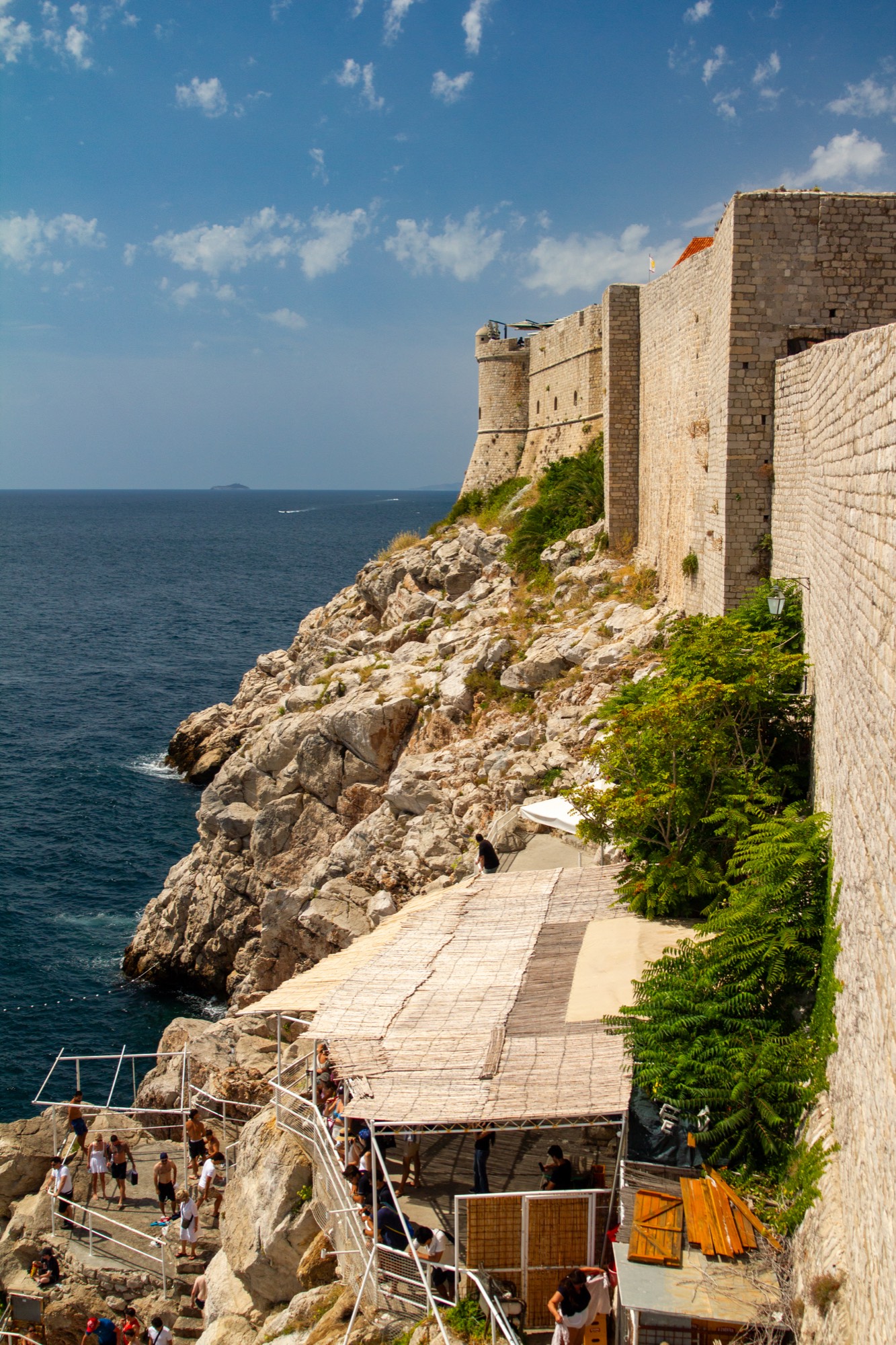
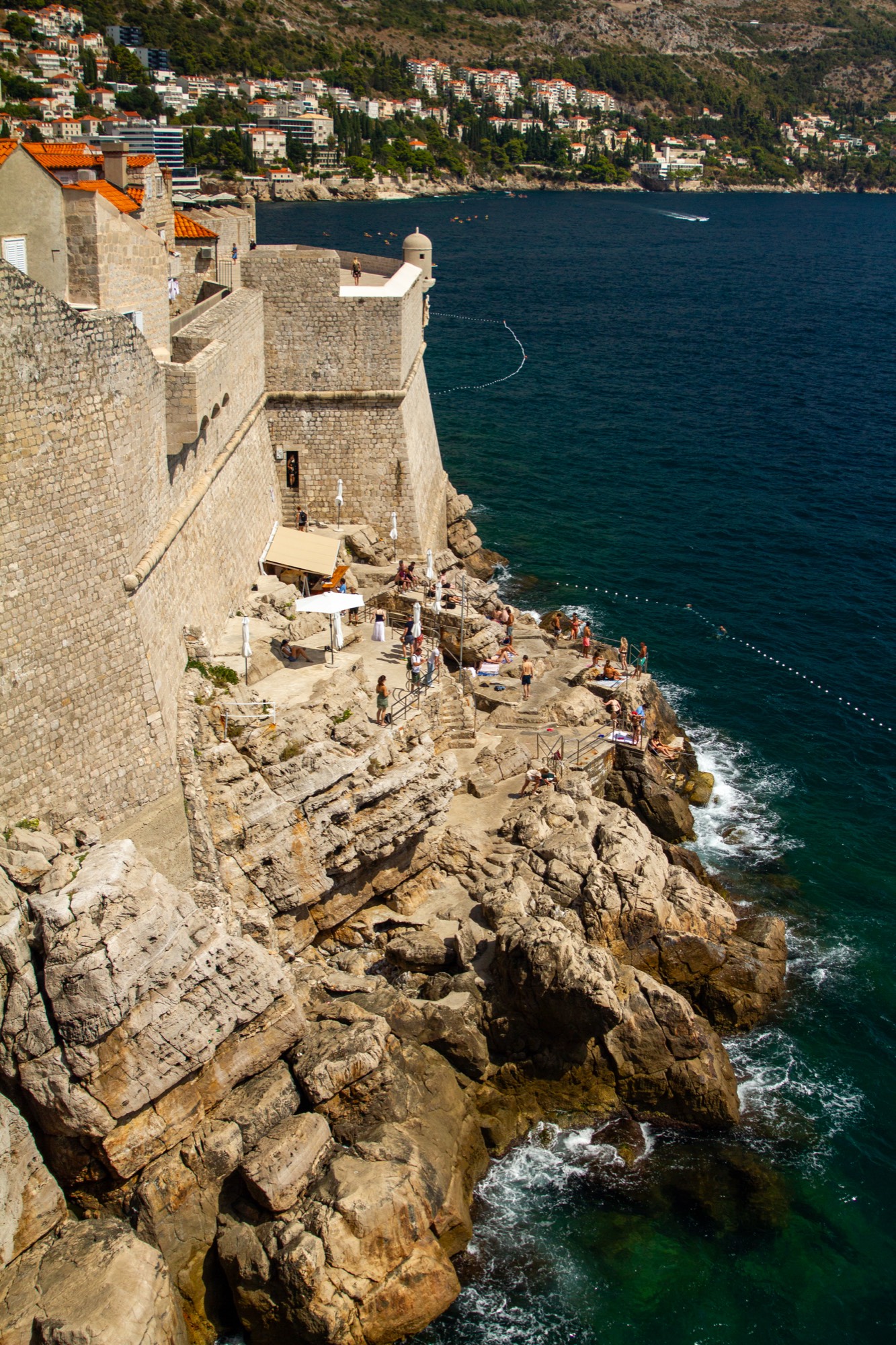
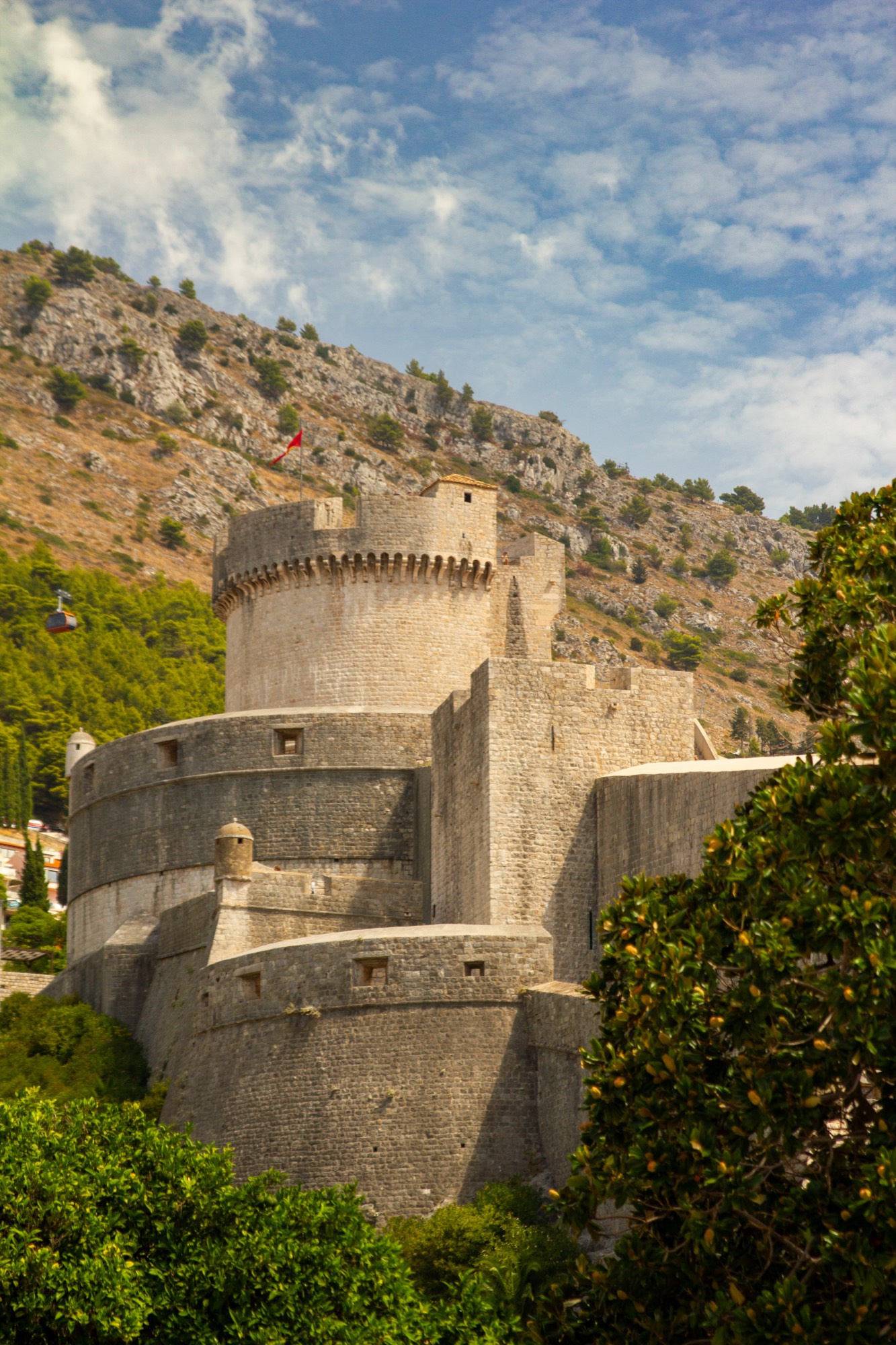
The highlight of the walk was reaching the Minčeta Tower. We arrived quite worn out, but the panorama that opened up rewarded every single step: the sea, the red roofs, the port and the very walls we had just crossed. Tired and exhilarated at once, we felt genuinely proud to have completed the whole circuit.
Back down from the walls, we carried on wandering through the narrow streets. Dubrovnik is full of small cafes and restaurants tucked into stone alleyways, so we decided to stop and catch our breath.
Hidden gems and culture
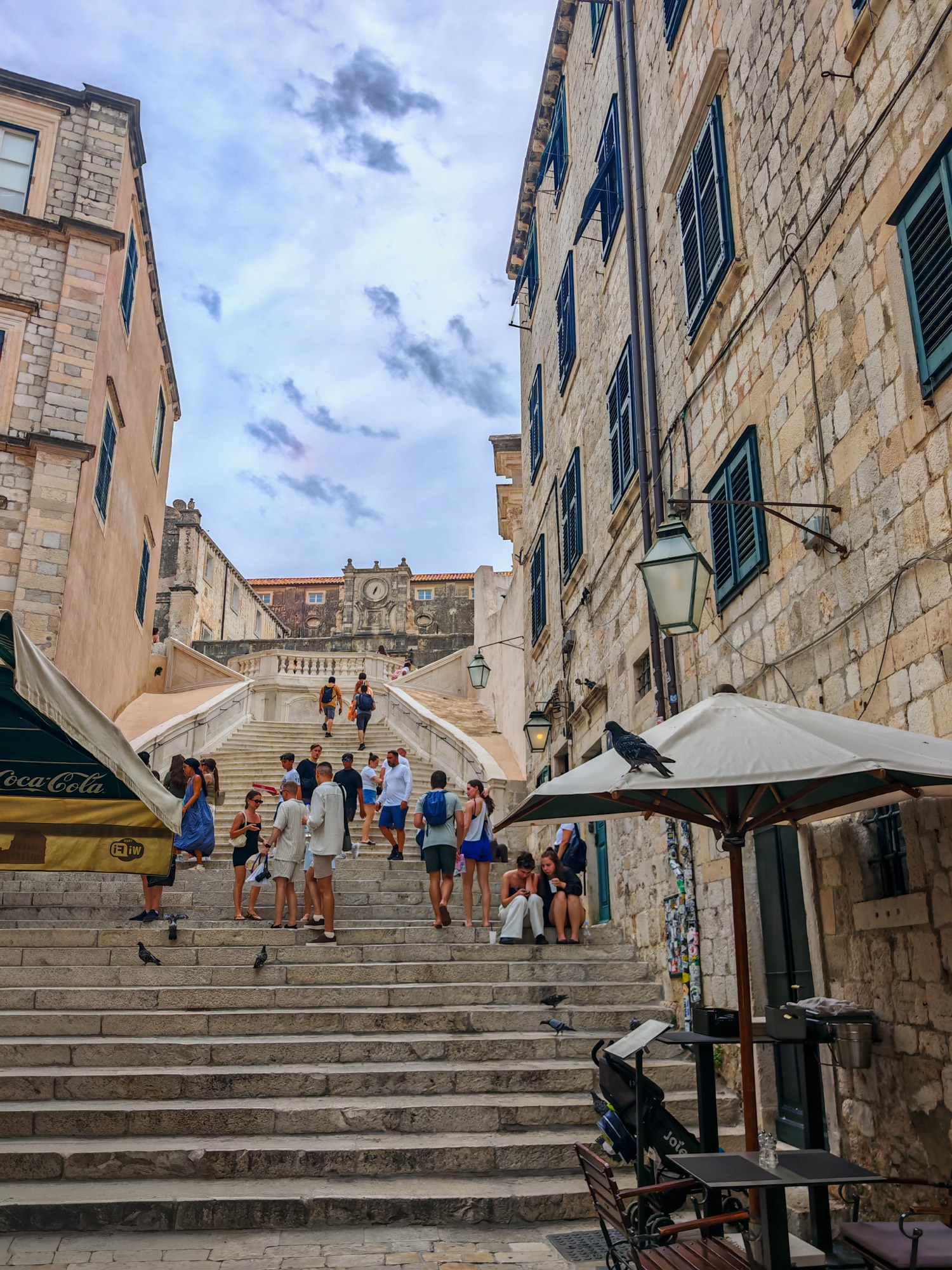
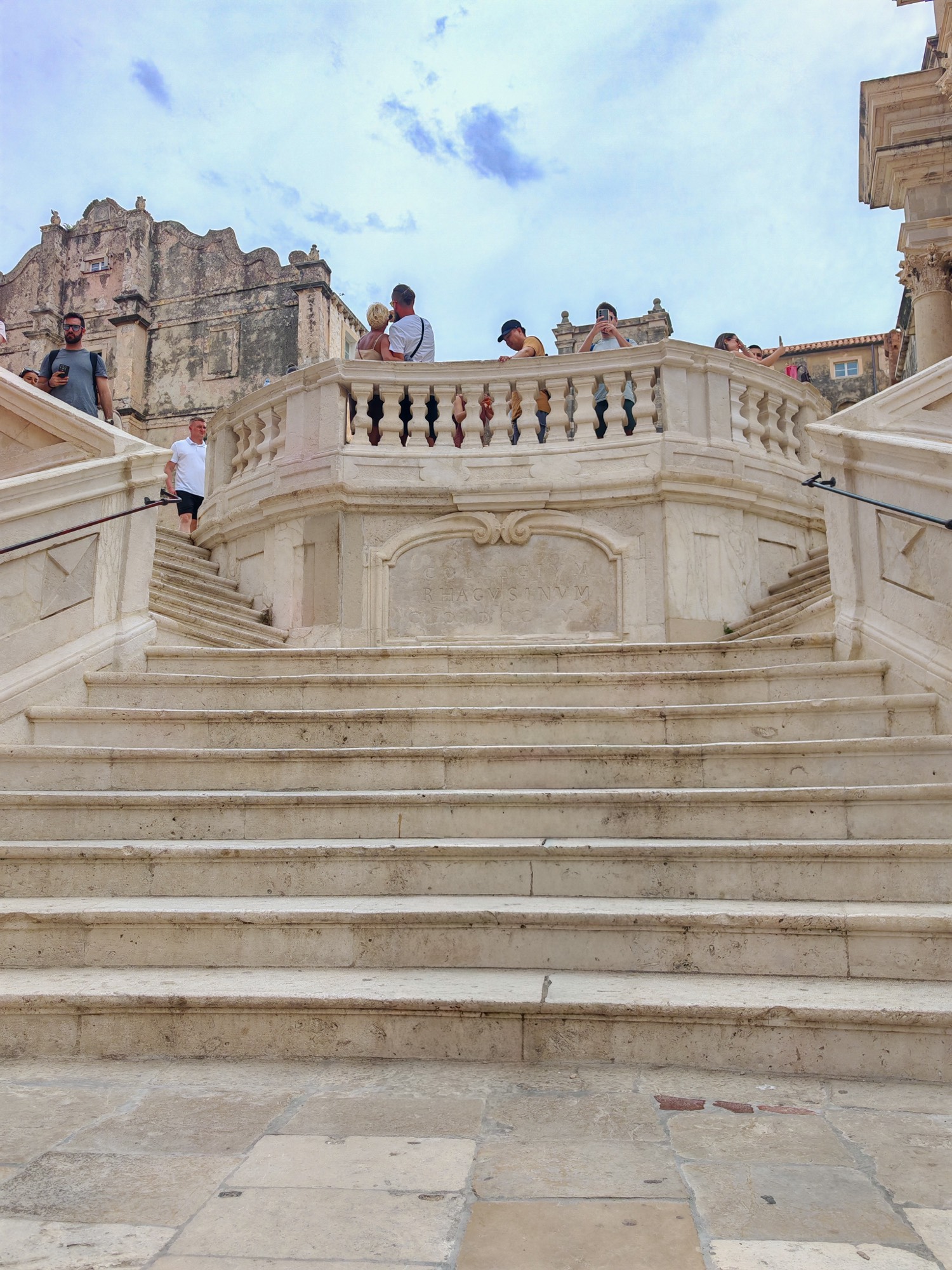
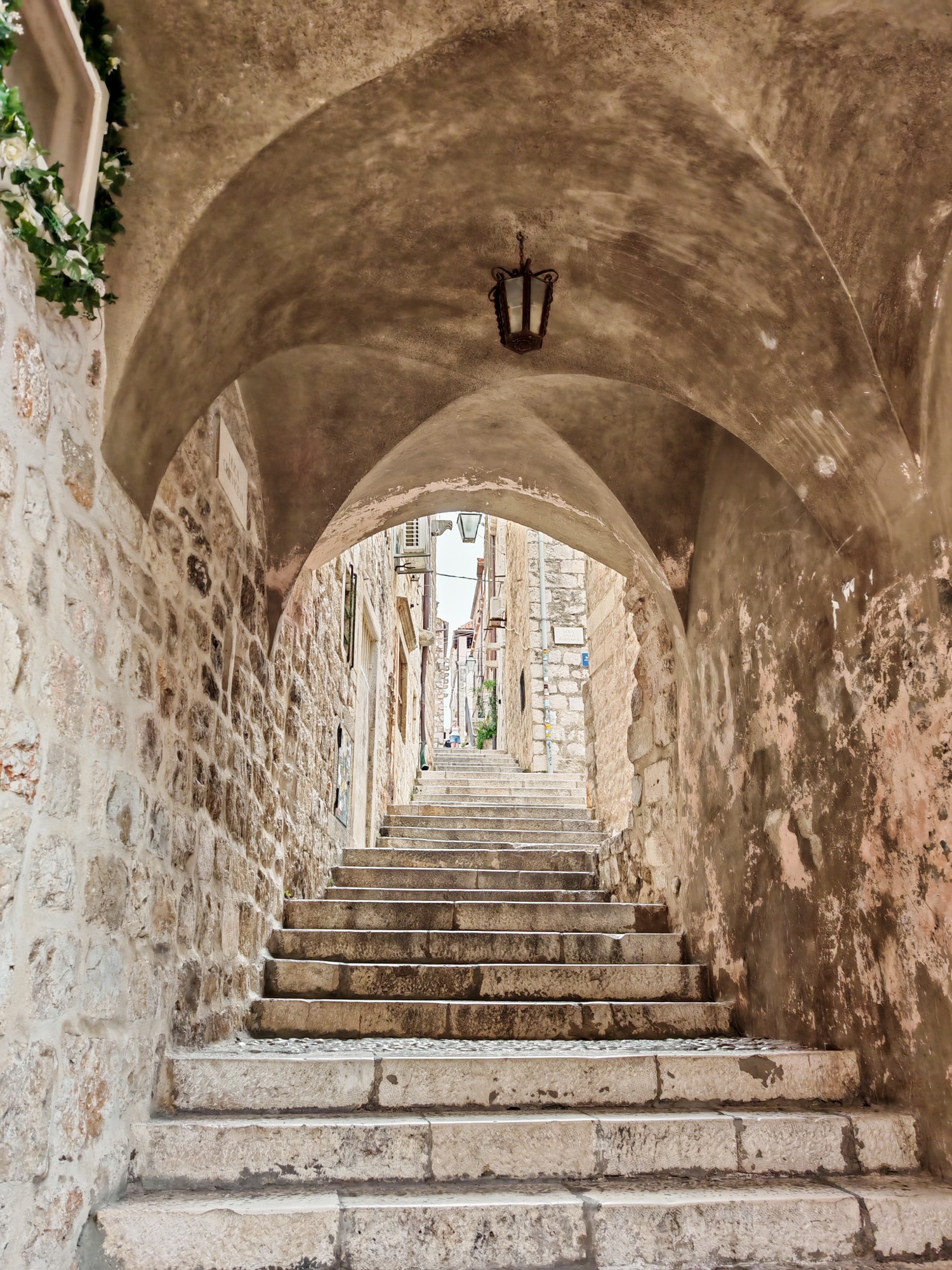
One place we especially wanted to see was the famous Jesuit Stairs, built in 1738 to a design by the Roman architect Pietro Passalacqua. Their sweeping form recalls the Spanish Steps in Rome, and they lead up to Ruđer Bošković Square and the Church of St Ignatius.
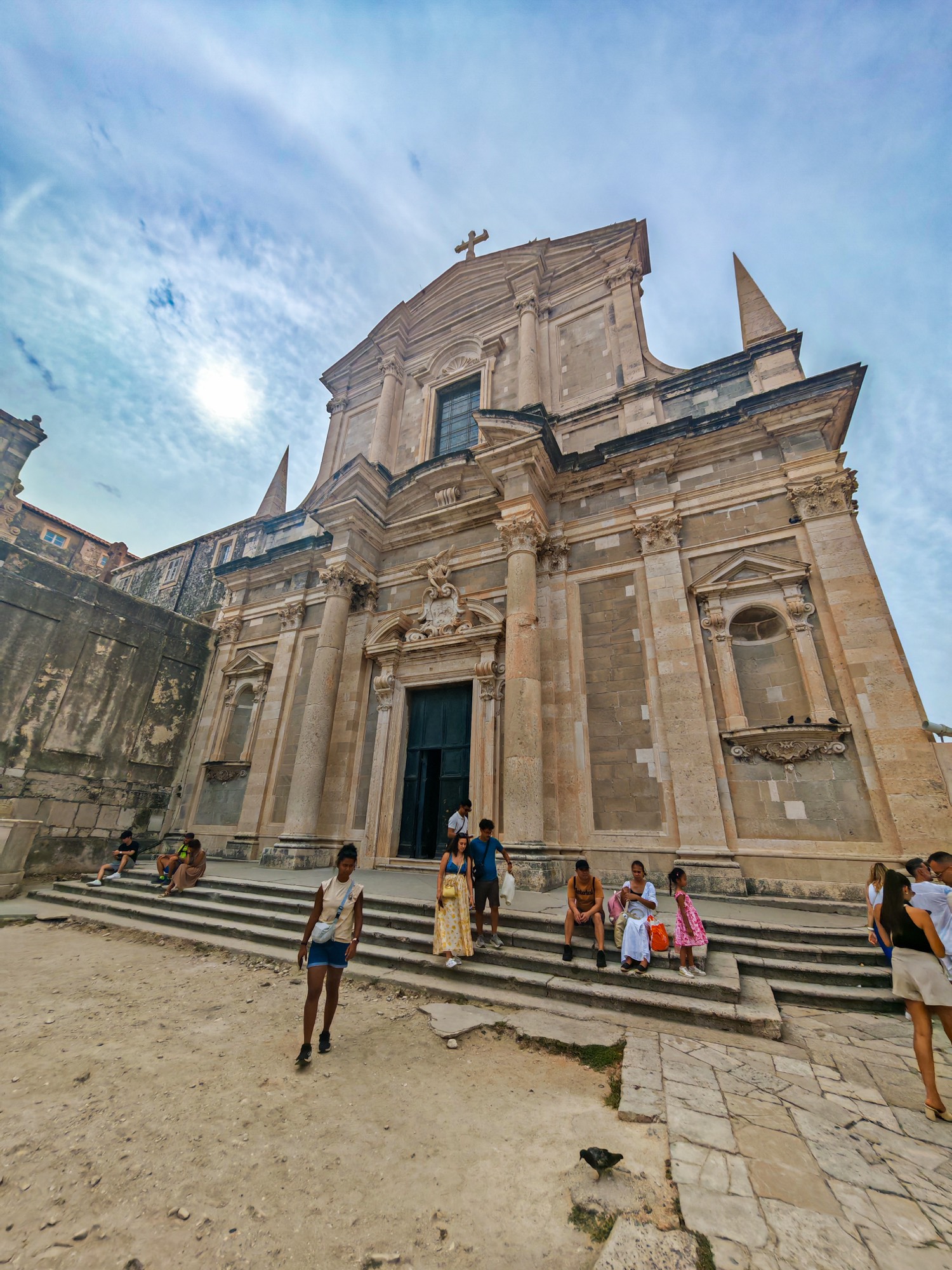
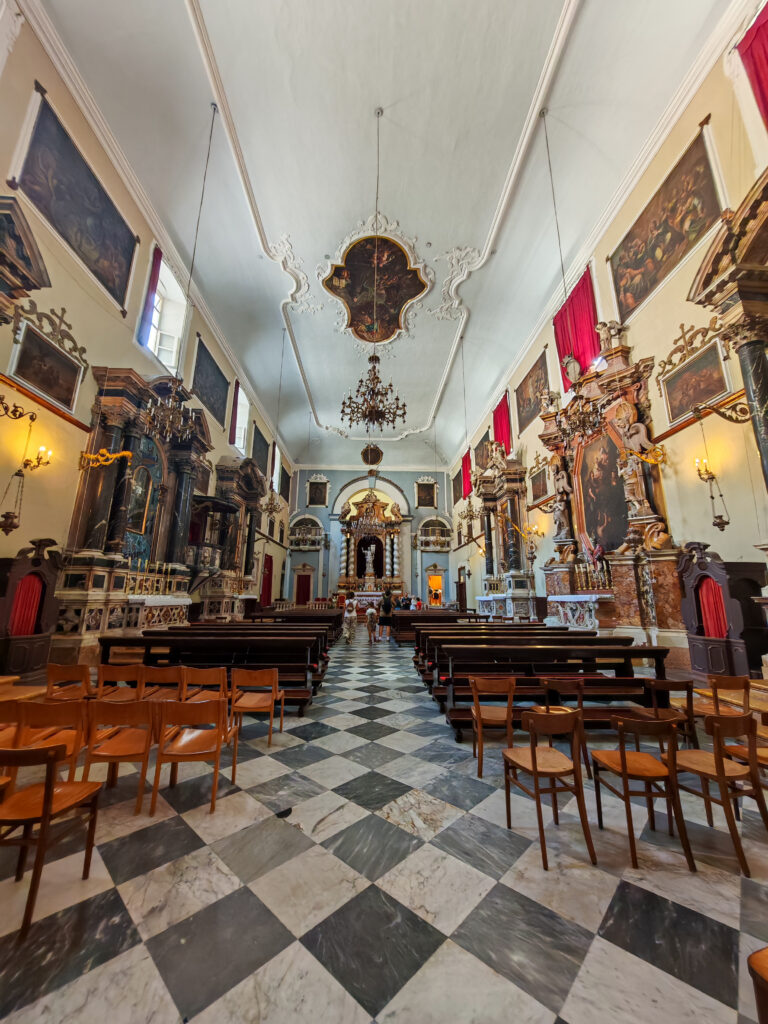
Inside the church, the Lourdes Cave caught our attention. In a stone alcove rests a figure of the Virgin Mary, surrounded by rough rock, flowers and candles. After the lavish Baroque interior, the scene felt unusually peaceful and plain, and we slowed our pace just to take it in.
The Cathedral of the Assumption of the Virgin Mary, the Rector’s Palace and Gundulić Square all lie within a few steps of one another, so it is easy to see this part of the Old Town in a single unhurried walk.
History behind the walls
The Rector’s Palace was another highlight of the visit. Today it houses the Cultural History Museum, and it let us look into the rooms where the political and daily life of the Dubrovnik Republic once played out.
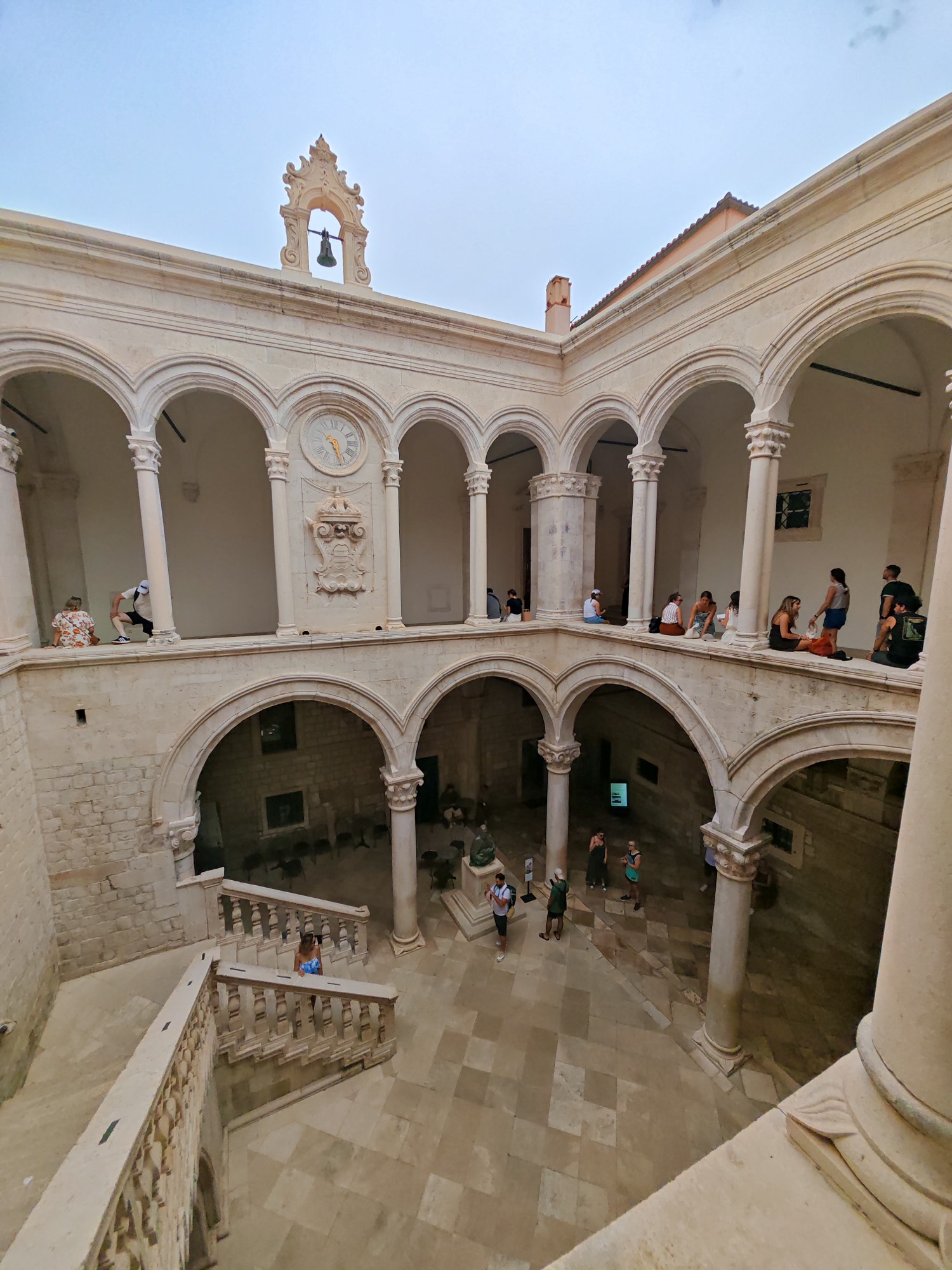
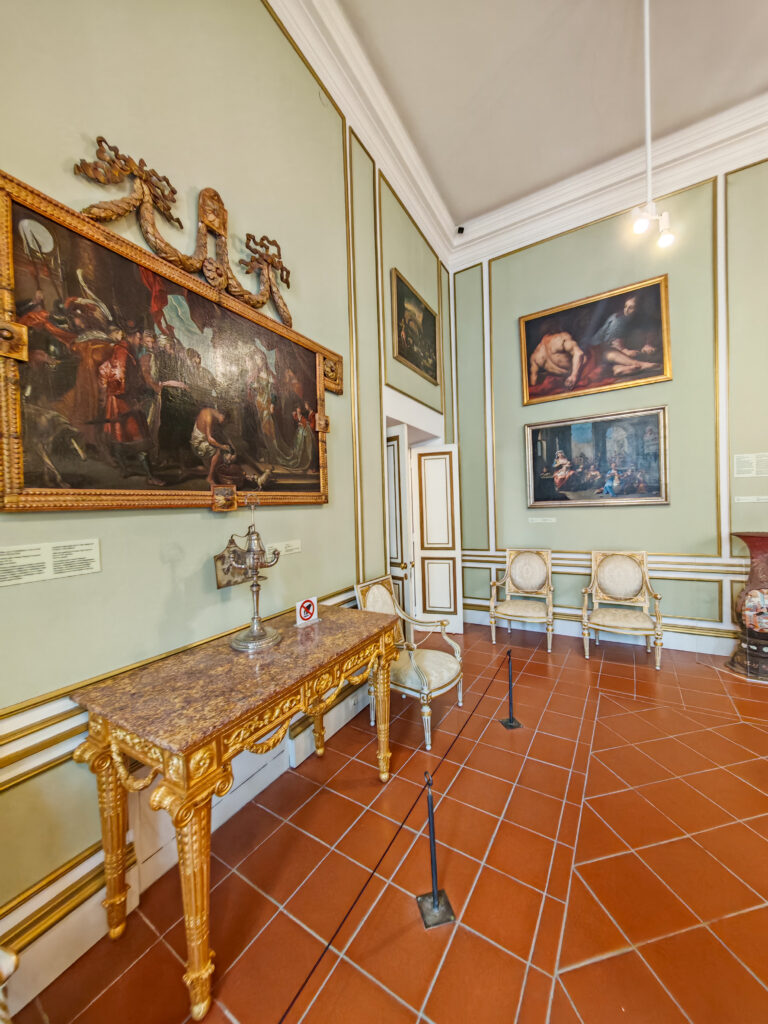
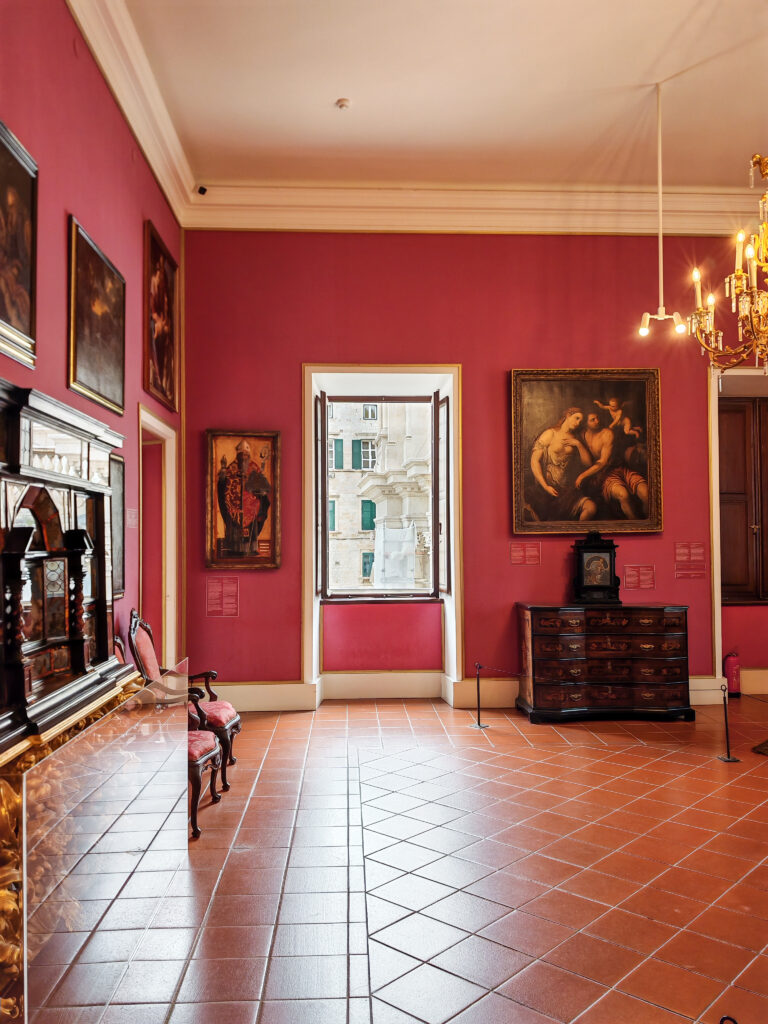
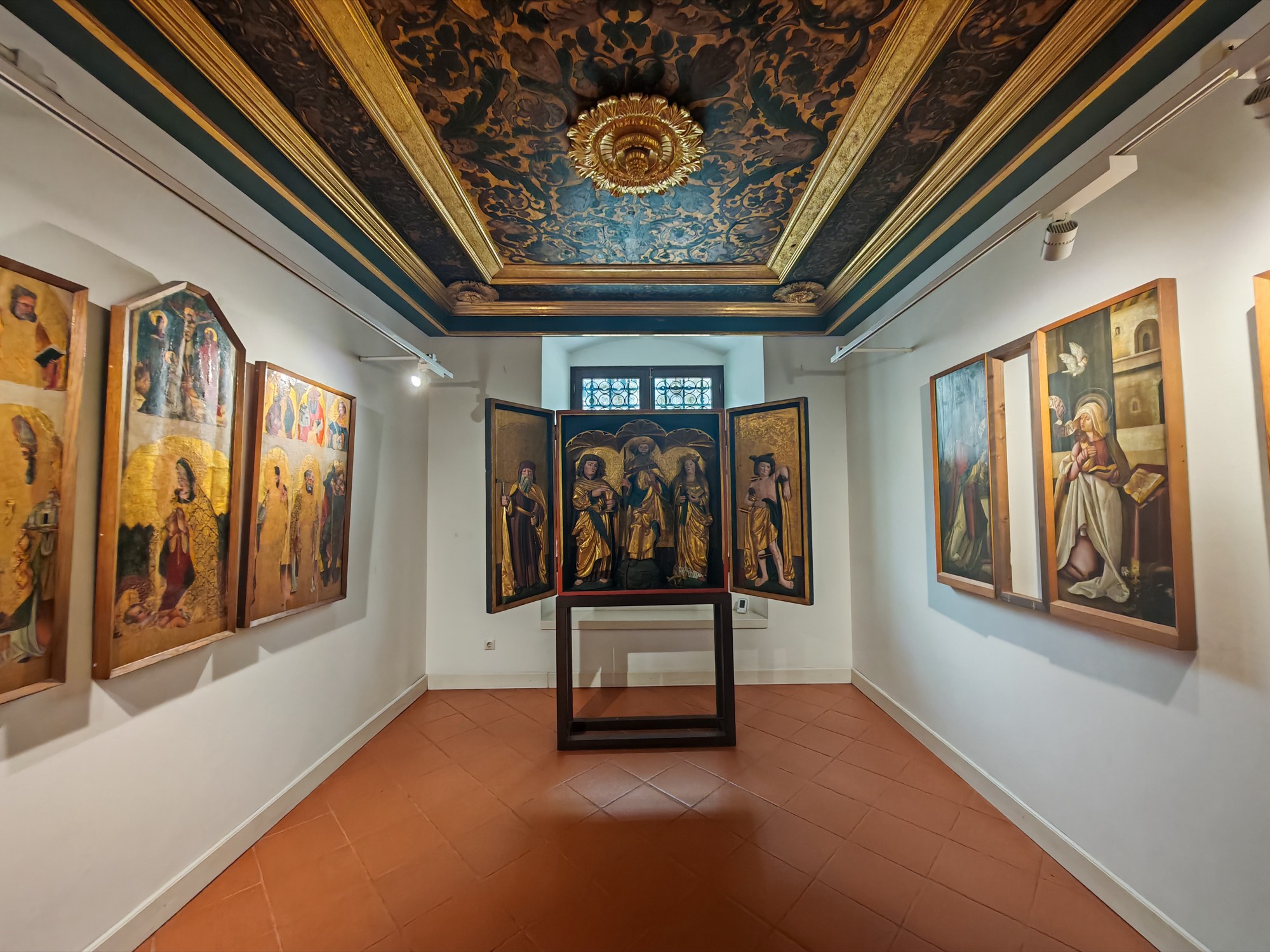
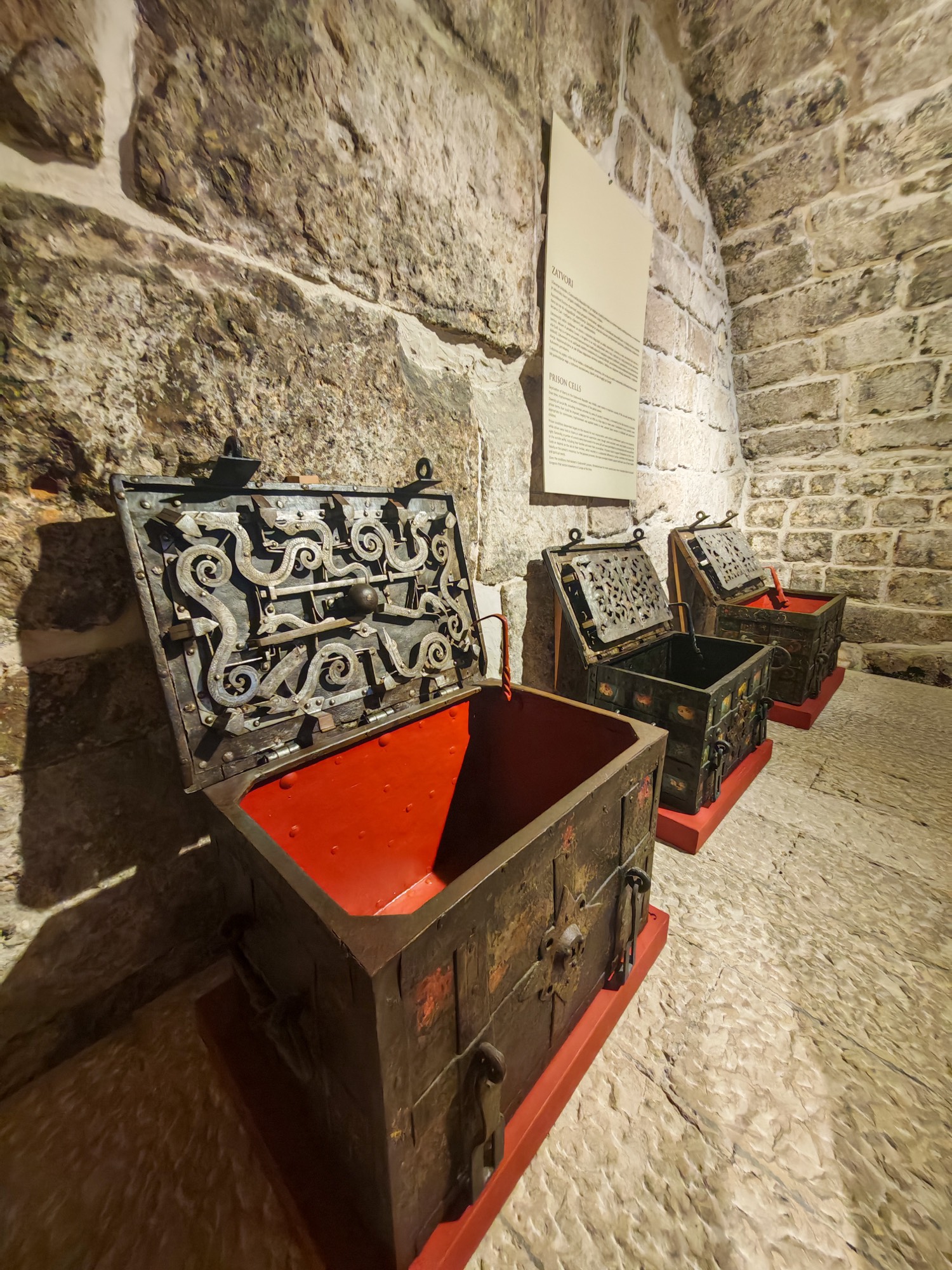
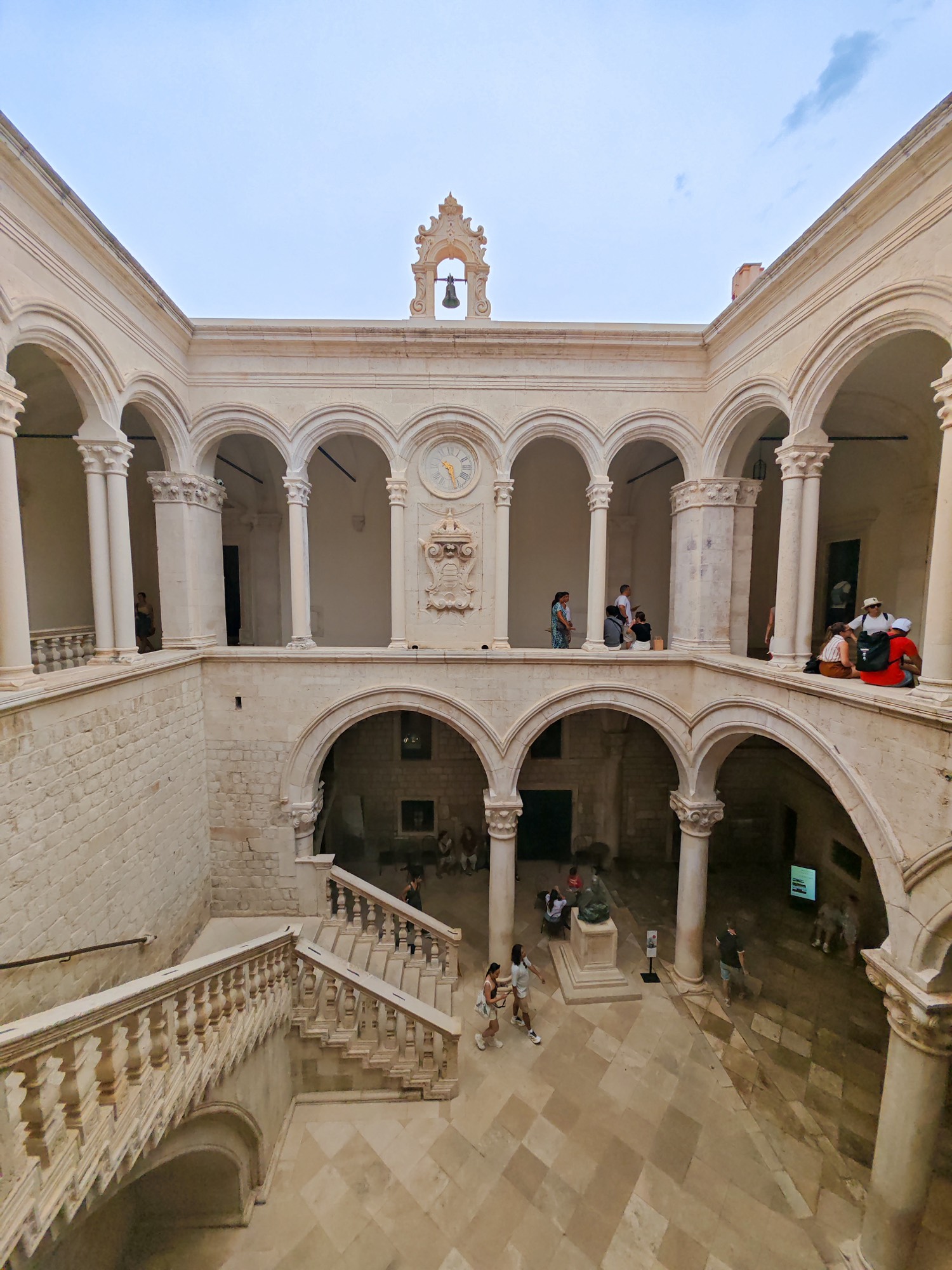
Old portraits, opulent furniture, weaponry and preserved rooms such as the courtroom and the rector’s salons held our attention. Walking the corridors, it was easy to picture the people who once moved through these same halls, taking decisions that shaped the whole city.
We simply didn’t have time for every museum. The official Dubrovnik tourist map points to several more cultural sites, among them the Maritime Museum, the Ethnographic Museum, the archaeological exhibitions and the Love Stories Museum — reason enough to come back, since a single day is nowhere near enough to uncover everything the city keeps.
A short break in the old town
After the long tour of the walls and a full day on our feet we were tired, yet we kept roaming a while longer. Every new passageway, stone house and small square drew us in all over again.
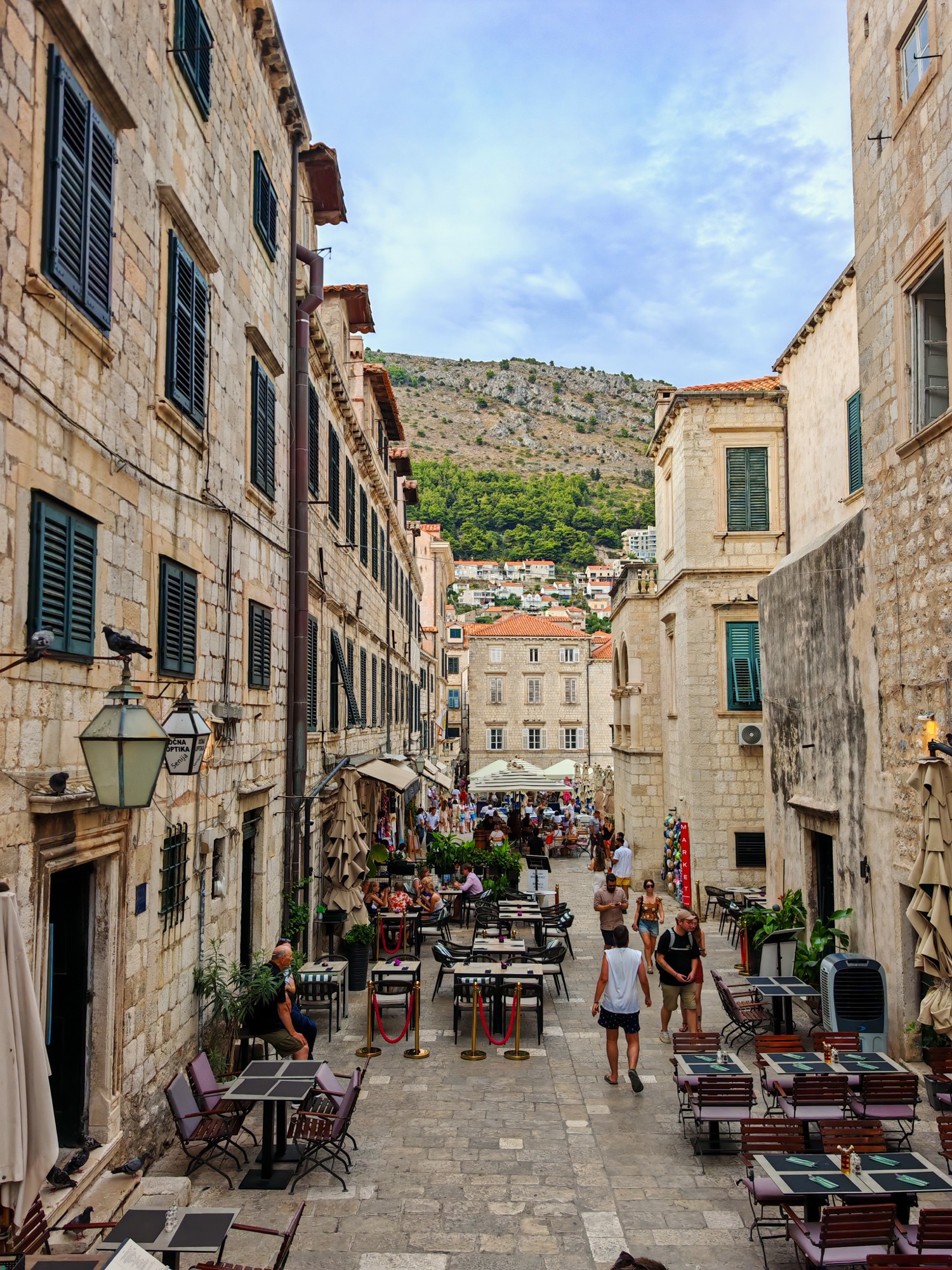
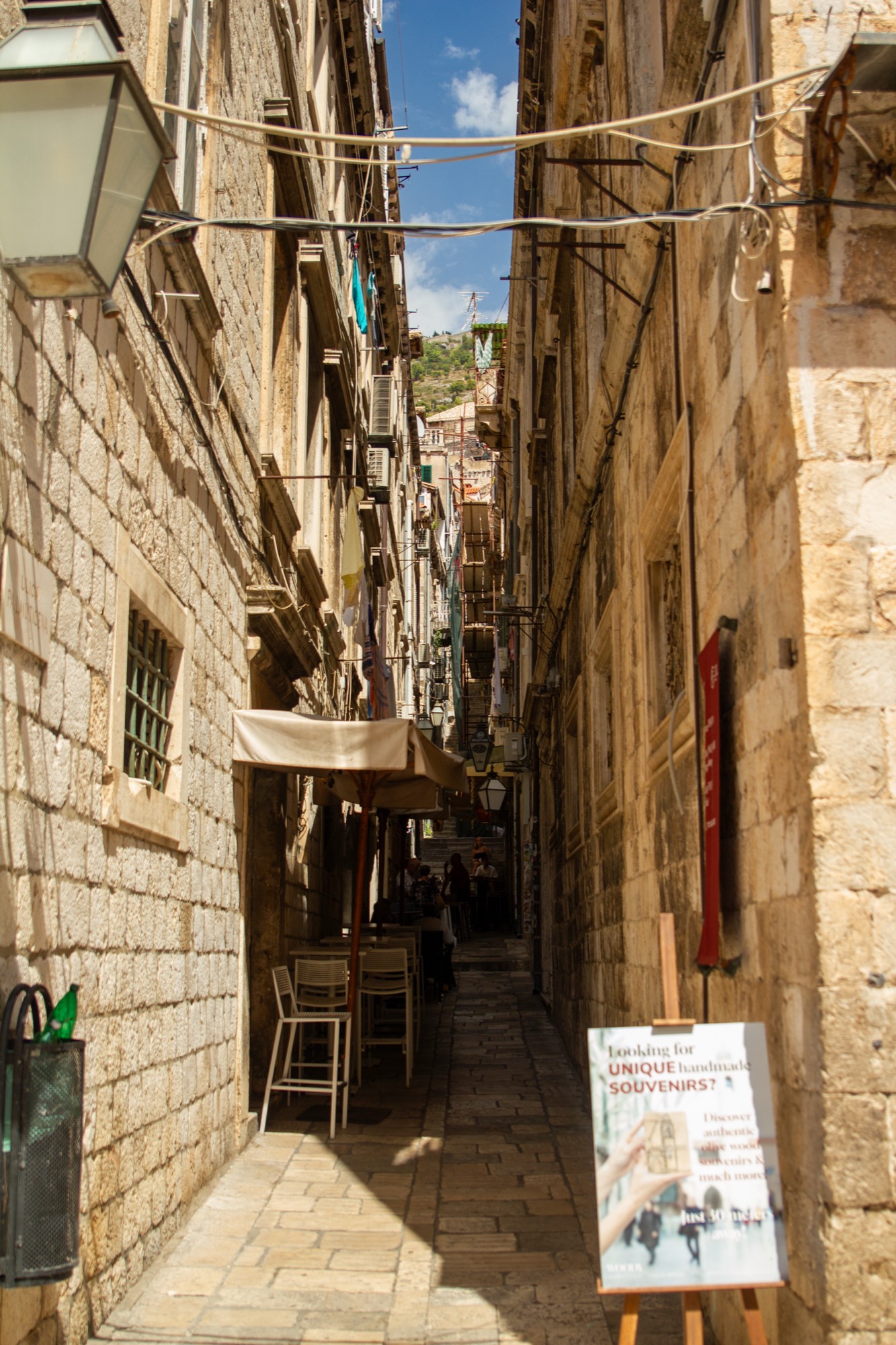
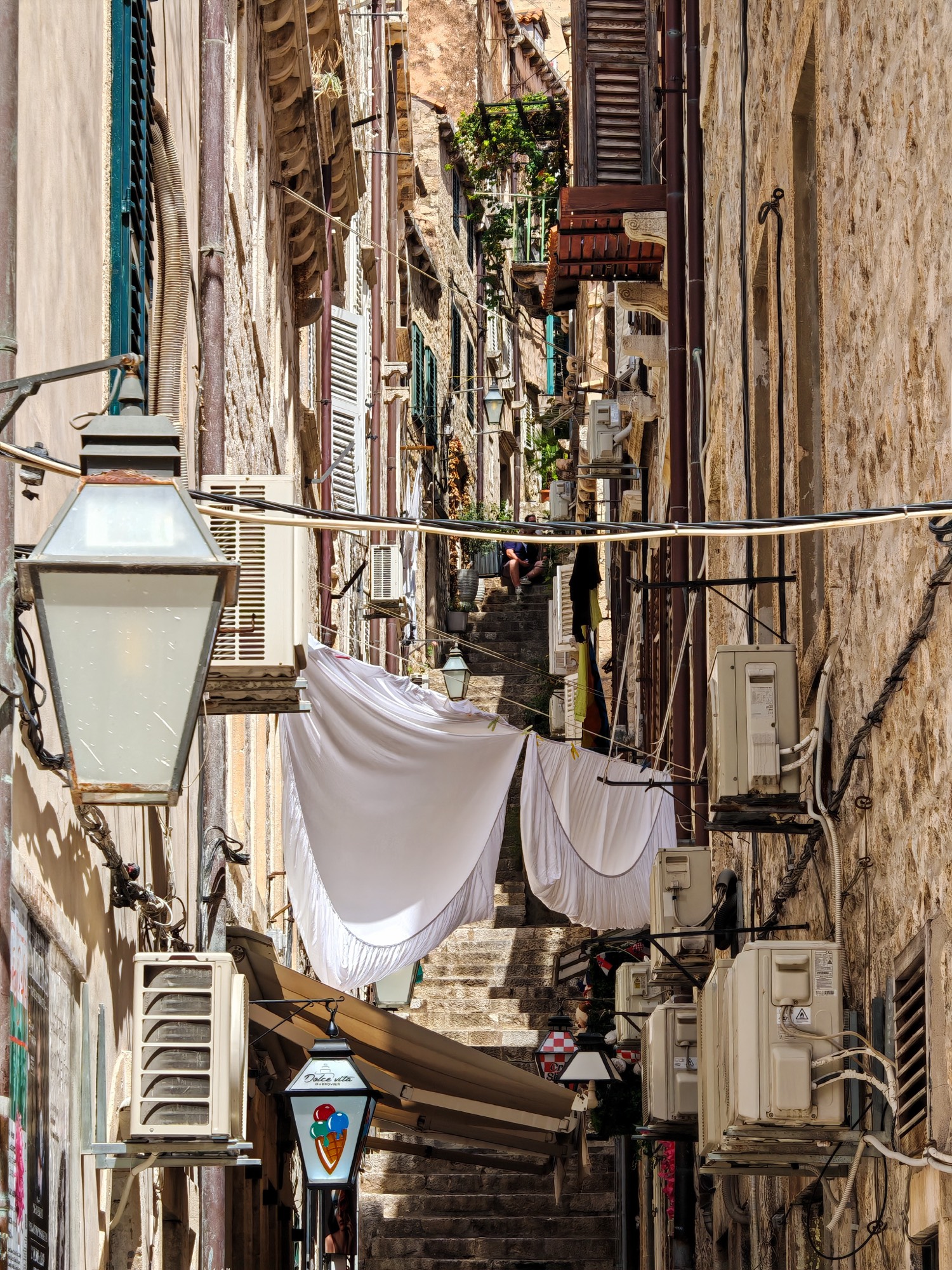
At last we sat down in a small cafe hidden in one of the Old Town’s beautiful narrow streets. Over coffee we finally took a proper break and, in no hurry at all, watched the life unfolding around us. That was when it struck us that the real experience of Dubrovnik isn’t only its grand landmarks. Sometimes it is enough to sit in a small stone alley, sip your coffee and let the city show you its quieter side through the rhythm of an ordinary day.
Dubrovnik through the year
Dubrovnik holds a special atmosphere all year round, but we learned that it comes even more alive during its traditional events. The Dubrovnik Summer Festival, in July and August, turns the historic spaces of the Old Town into stages for theatre, concerts and other cultural programmes. A particularly special place belongs to the Festivity of St Blaise, held on 3 February in honour of the city’s patron saint. It would be fascinating to return then and see what these ancient streets become when they turn into a grand cultural stage.
Final impressions
A single day is far too little to see every corner of Dubrovnik, but it is more than enough for the city to enchant you completely. From the first glimpse of white stone and red roofs, to the Stradun and its historic palaces, to the view from Minčeta and a quiet coffee in a stone lane, every part of the day left its mark.
We left tired but full of impressions, carrying away photographs, memories and the sense that we had, if only for a moment, looked into a city that still lives its past today.
You can walk through Dubrovnik in a day, but you could never truly know it in one.
Finally, we would like to thank the Dubrovnik Tourist Board, Dubrovnik Museums and the Dubrovnik City Walls Society for their assistance and for making this unforgettable visit possible.
Useful links for planning your visit
- Official information: Dubrovnik Tourist Board — opening hours, events and practical advice.
- Wall tickets: Dubrovnik City Walls (official) — tickets and information for the walls and forts.
- Culture and exhibitions: Dubrovnik Museums — the Rector’s Palace, Maritime Museum and more.
- Public transport: Libertas Dubrovnik — local bus routes and timetables.
- Ferries: Jadrolinija — for trips to Lokrum and the neighbouring islands.
- City map (PDF): download the official map.