

To truly experience Budapest, you have to stray a little from those main tourist routes. You don’t see the real city from a bus; you have to walk, go to a local bath and peek into the old doorways of the Jewish Quarter.
For me personally, it long ago ceased to be just a stopover.
From my perspective, Budapest is a fascinating mosaic made up of completely different worlds: there is the lavish architecture of the Habsburg Monarchy, the mystical Turkish baths, and that raw, underground spirit that reigns in the ruin bars.
So take this text as my personal map. These are the routes I move along, the places I show friends when they come to visit, and the corners from which the city looks its best. There are no encyclopaedic lists here; we go straight to the essence of what makes Budapest my home.
Two worlds, one city: Meet Buda and Pest
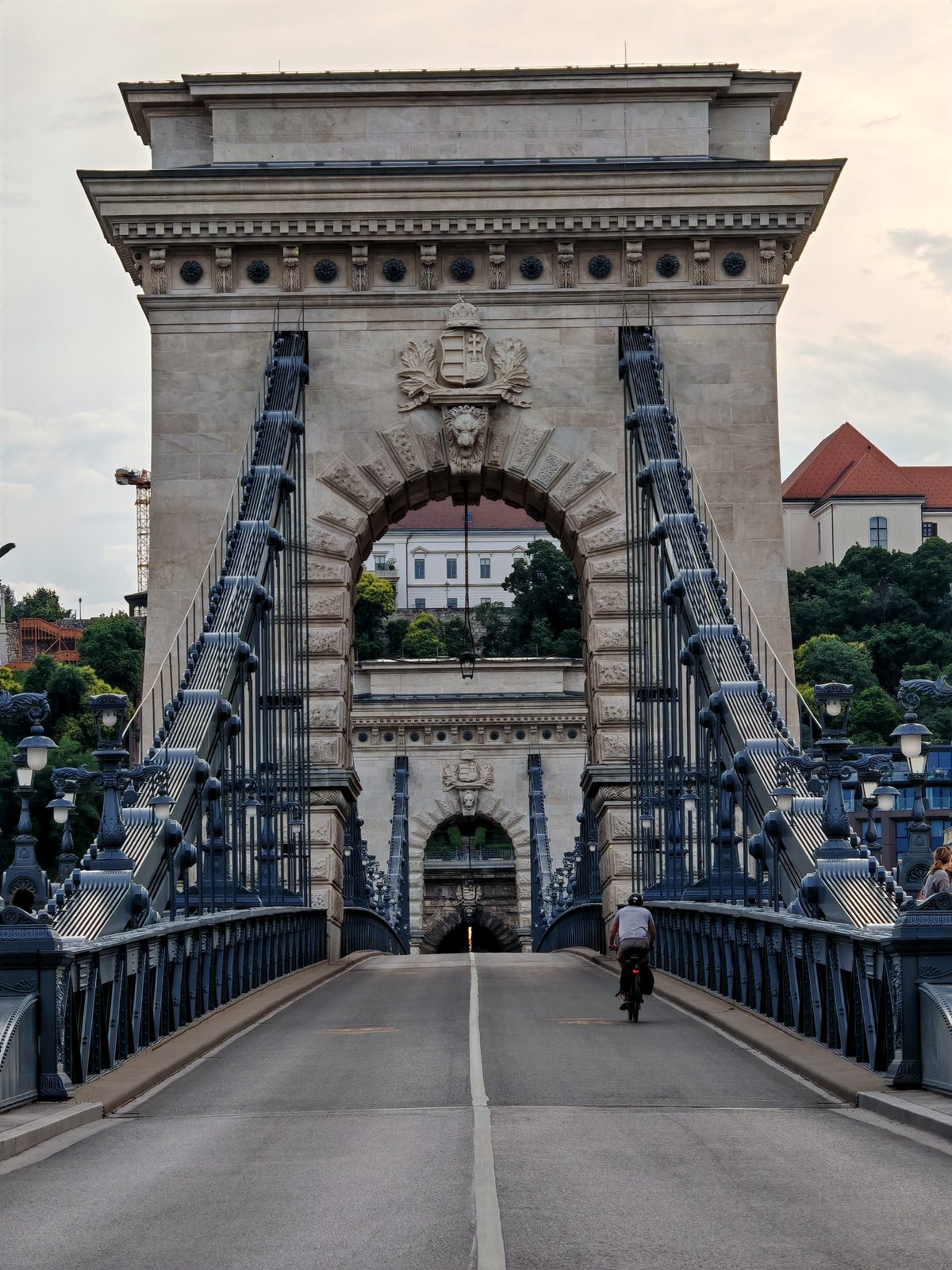
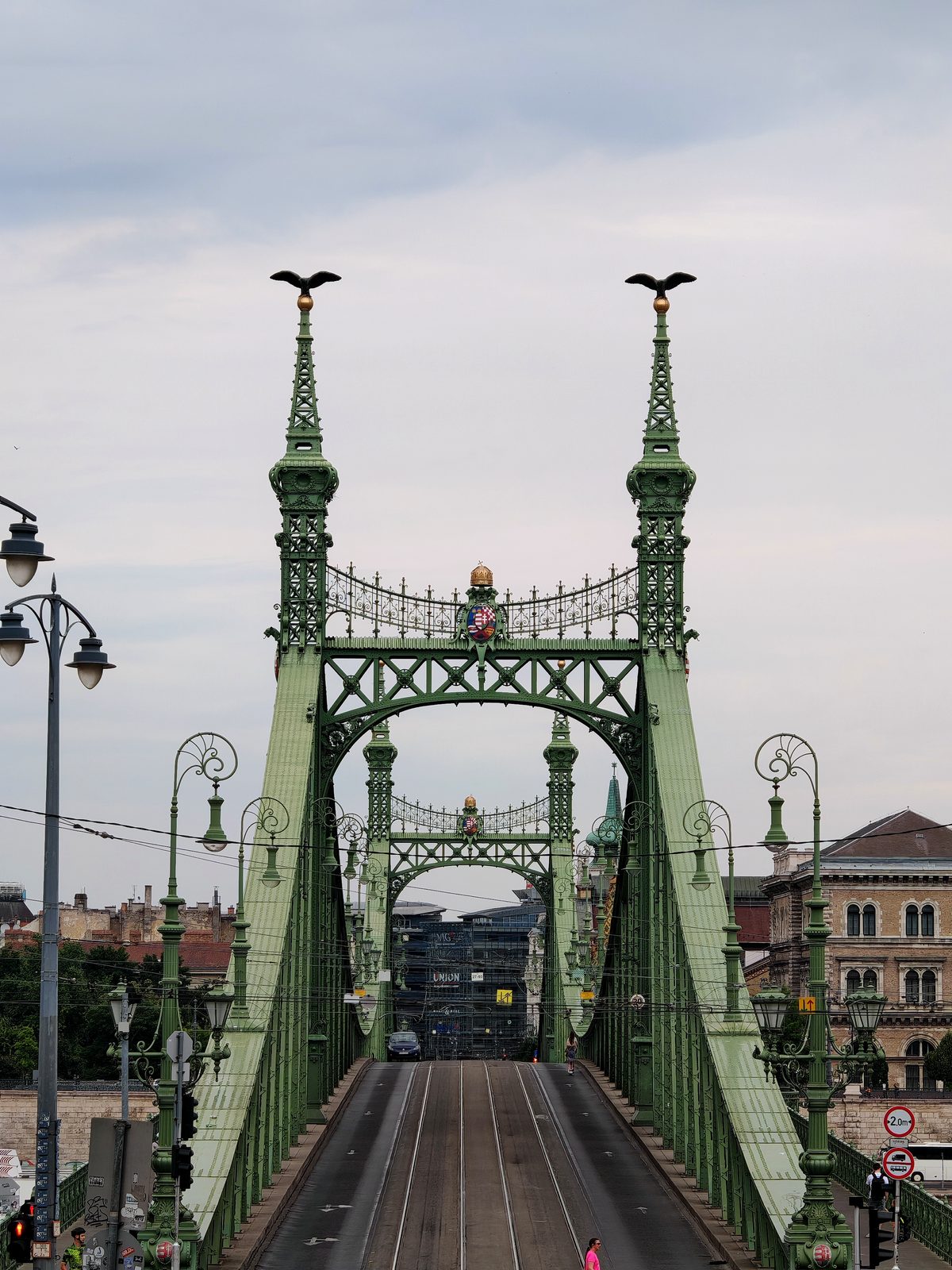
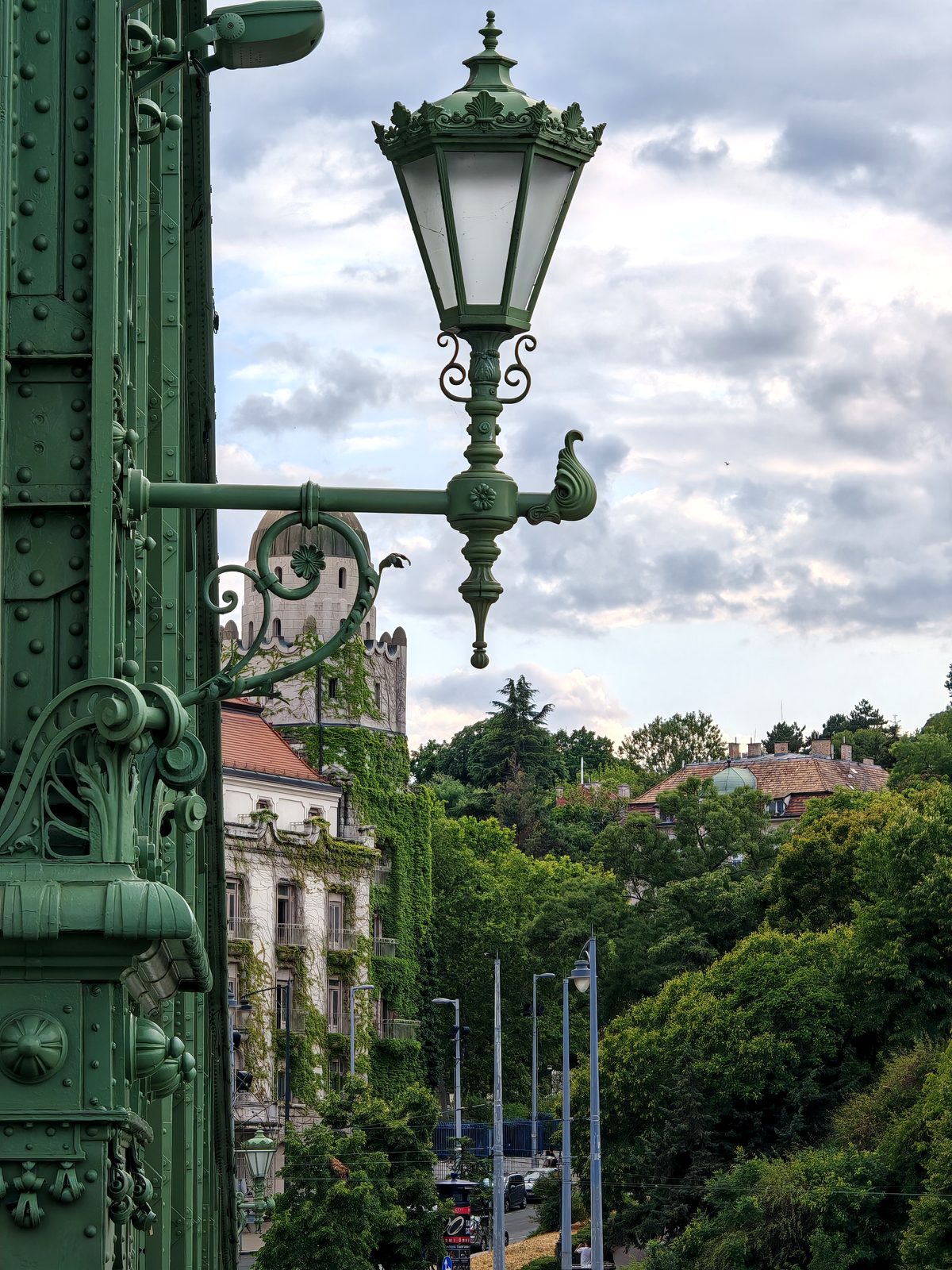
Before we set off on our tour, it’s important to know one thing: Budapest was not always a single city. Right up until 1873, Buda (on the hilly right bank) and Pest (on the flat left bank) were completely separate. That difference can still be felt today. Buda is the older, quieter and greener part of the city. On the other side, in Pest everything happens – there’s the real urban buzz, the cafés and the nightlife. They are joined by the Danube and several beautiful bridges.
TOP EXPERIENCES: What you must not miss
1. The Parliament (Országház)
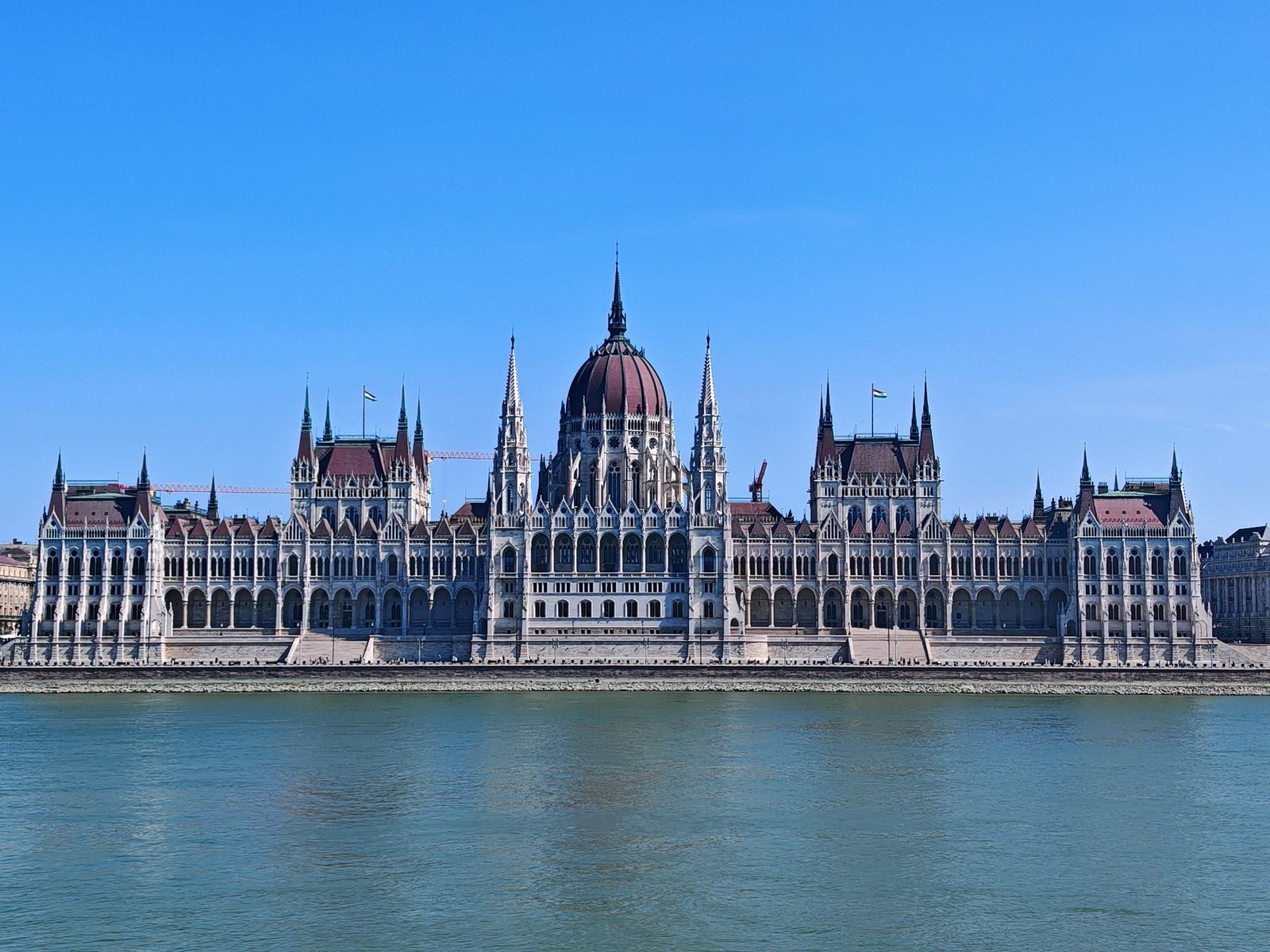
The Hungarian Parliament is a monumental Gothic masterpiece with hundreds of little towers that looks like a fairy-tale palace risen from the water. Forty kilograms of pure gold were used in its construction.
Local tip: Don’t look at the Parliament only from up close. For that real wow effect, cross over to the Buda side (by the Batthány tér station) right at dusk. When the facade is lit up and reflected in the dark water of the Danube, the sight is surreal.
2. Get lost on Buda Hill and the Citadel
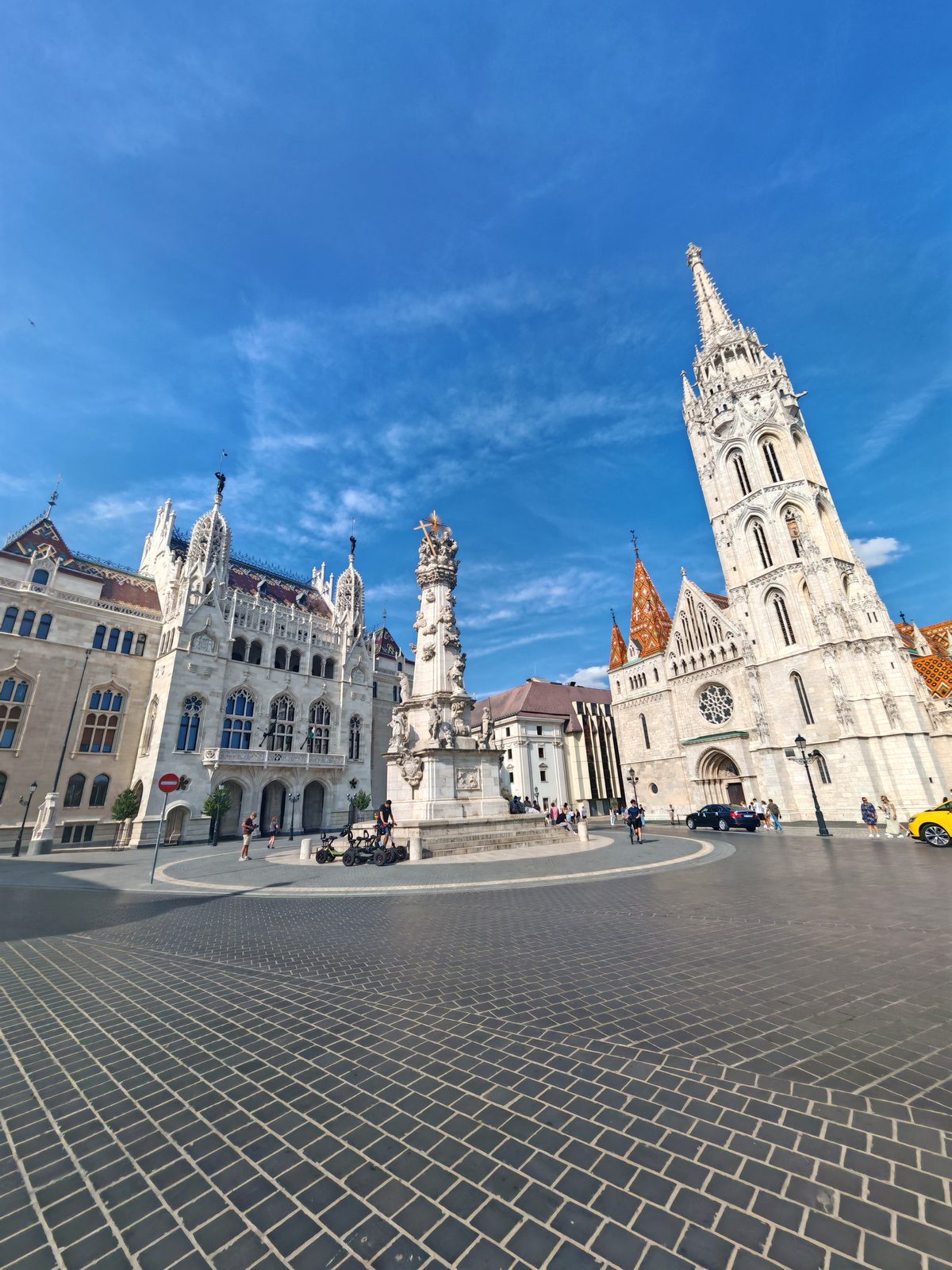
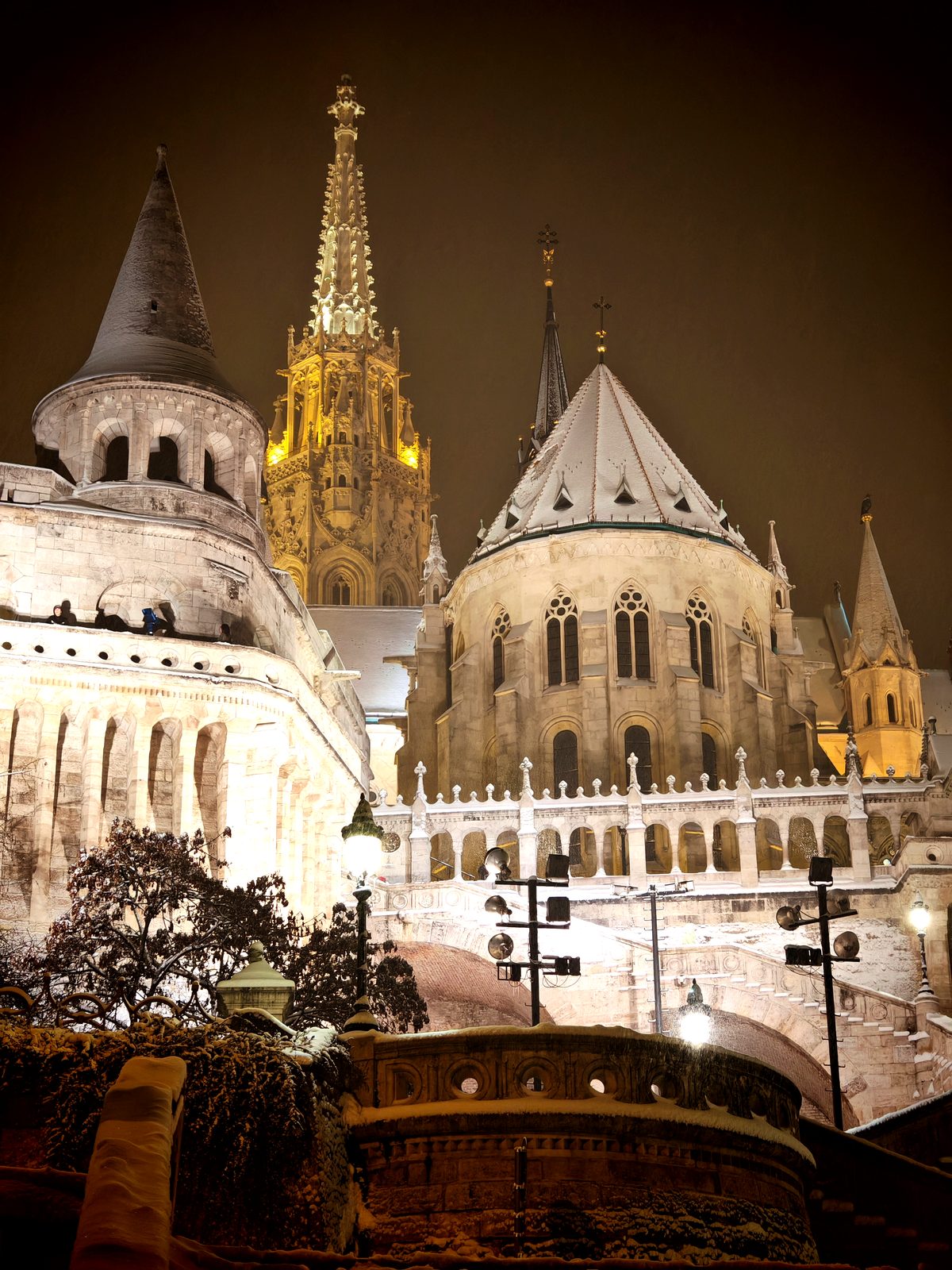
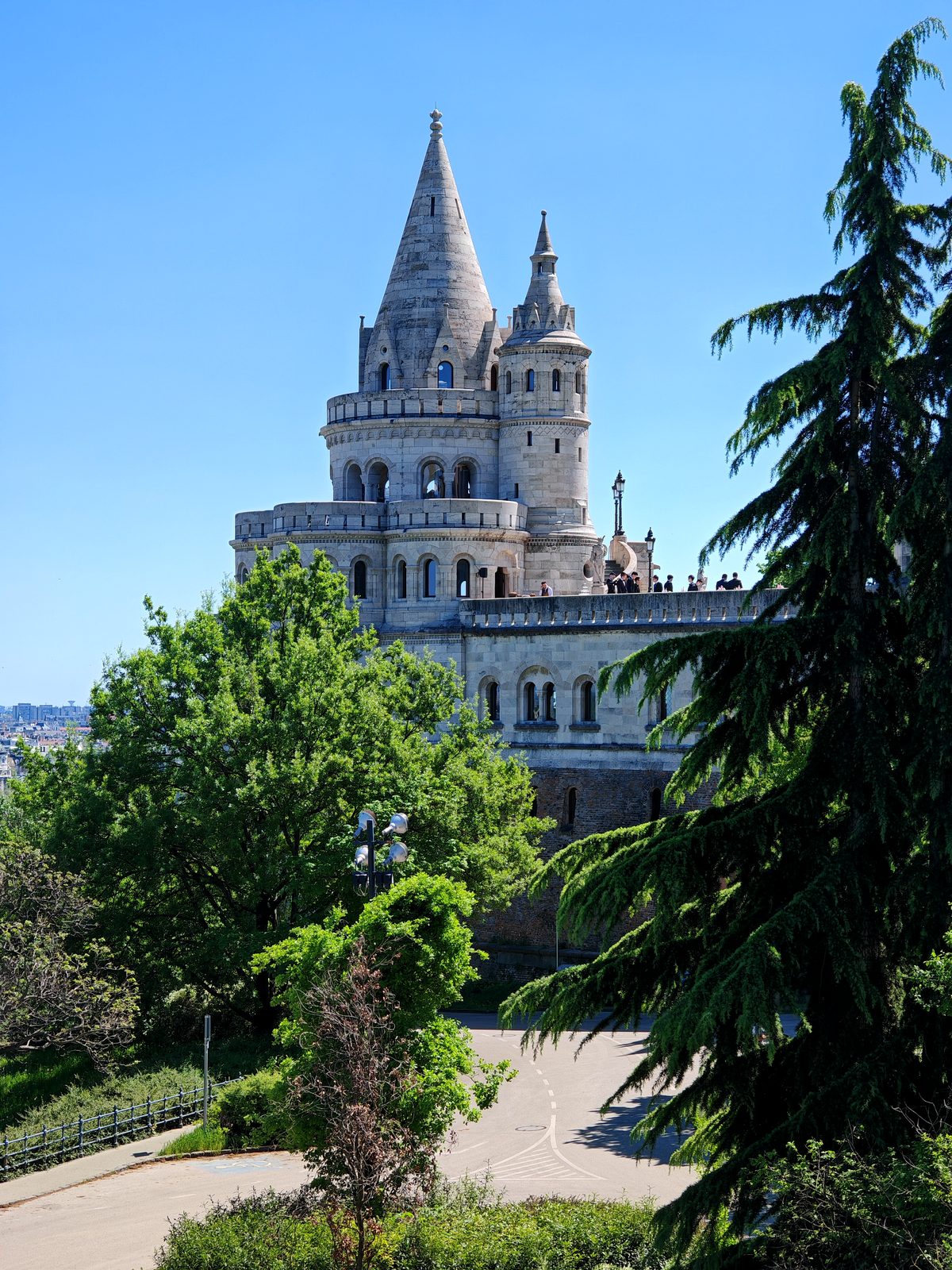
When you cross the Chain Bridge and climb the hill, you enter a world of cobblestones and history. Here the Buda Castle dominates, the former seat of kings, which today is undergoing a huge restoration to recover its imperial splendour. The national gallery is housed here, as well as a number of other museums. Not far from it is the Fisherman’s Bastion (Halászbástya), a lookout with white towers that incredibly resembles a Disney castle.
The best view in the city: Climb up to the Citadel at the very top of the hill. From there stretches probably the most beautiful panoramic view of the whole city and of what is, in my opinion, the most beautiful of all – the green Liberty Bridge (Szabadság híd).
3. Thermal culture: Much more than bathing
Budapest sits on over 1,000 thermal springs, and the bathing culture was brought here by the Turks back in the 16th century. Going to a bath here is not just a spa treatment, but a social event!
- Széchenyi: The largest complex in Europe. Bathing in winter in the open-air hot pools while people around you play chess in the water is an experience in itself.
- Gellért: Housed in an Art Nouveau hotel, full of marble and mosaics. You’ll feel like a Roman patrician (unfortunately, it is currently closed for a while for renovation).
- Rudas: A real, authentic Turkish bath with an octagonal dome and a rooftop pool overlooking the Danube.
4. The alternative pulse: The Jewish Quarter and the „ruin pubs”
Erzsébetváros (the 7th district) is the epicentre of nightlife. Once a gloomy ghetto, today this is a part of the city full of street art and world-famous ruin pubs (demolished pubs).
A must-visit stop: Szimpla Kert. The pioneer of this concept, set in an abandoned 19th-century building, filled with the craziest recycled furniture, art installations and incredible energy. For those who prefer slightly more upmarket places, there is also the Gozsdu Courtyard (Gozsdu udvar), a long passage filled with an abundance of cafés, clubs and restaurants.
SECRETS OF THE CITY: What they won’t tell you on the tourist tour
Hunting for bronze mini-sculptures. As you walk along the banks of the Danube or through the parks, be sure to look around you (and down!). The city is full of secret, miniature bronze sculptures by the guerrilla artist Mihály Kolodko. From a little Rubik’s Cube hidden on the embankment, to a mini-tank, to Harry Houdini (who, incidentally, was born in Budapest). Finding these figures turns a walk into a real treasure hunt!
The city of Nobel laureates and the rock ‘n’ roll revolution. Budapest is an intellectual giant; this city gave rise to or inspired over 15 Nobel Prize winners! Besides science, musical history was written here too. Did you know that Freddie Mercury and Queen held the first mega rock concert behind the „Iron Curtain” here in 1986? Freddie then sang a Hungarian folk song in front of a packed stadium and won the heart of the whole nation.
Spring sakura magic. If you come at the end of March or the beginning of April, you’ll experience a completely new Budapest. The Tóth Kálmán promenade on Buda Hill and the Japanese Garden on Margaret Island turn into pink oases of blossoming Japanese cherry.
GREEN LUNGS: Where we escape when we’ve had enough of concrete
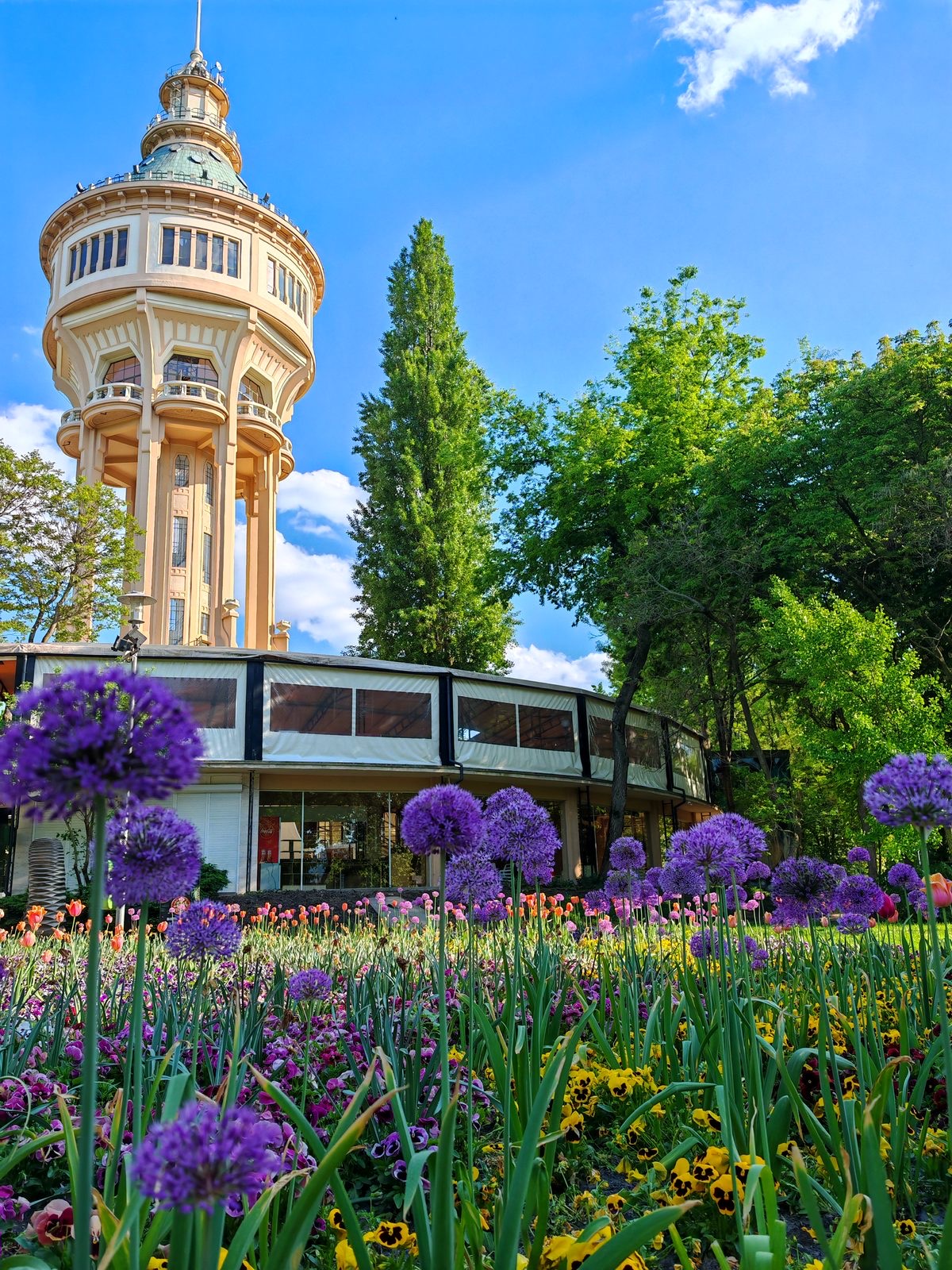
When the locals want a break from the asphalt, they have three incredible options:
- Margitsziget (Margaret Island): A huge island in the middle of the Danube, closed to cars. It’s surrounded by a tartan running track, and inside it hides the ruins of a 13th-century monastery, a Japanese garden and huge meadows perfect for a picnic.
- Városliget (City Park): You pass through it as soon as you go past the monumental Heroes’ Square. Here you’ll find Vajdahunyad Castle (which looks as if it’s been plucked out of Transylvania) and the futuristic House of Hungarian Music. Here you can also find the largest open-air ice-skating rink in Europe, which in summer turns into a lake where you can go for a boat ride.
- Népliget (People’s Park): The largest, but also the wildest park. If you want long walks in absolute silence in a real forest setting in the middle of the city, this is the right place.
PRACTICAL TIPS: Getting around the city
Feel free to forget about the car. The public transport (BKK) is perfect, and it’s best to use the official BudapestGO app for tickets. Two means of transport are attractions in themselves:
- Line M1 (Földalatti): The oldest metro on the European continent (opened in 1896). Riding these small, retro carriages with wooden fittings right beneath Andrássy Avenue is a real trip back into the past.
- Tram number 2: Declared one of the most beautiful tram lines in the world. It glides right along the Pest bank of the Danube, offering you free sightseeing of the Parliament and Buda Castle!
Useful links for your trip:
City card and tourist information
- Budapest Card official website: budapestcard.org or budapestinfo.hu – The city’s official portal where you can buy the Budapest Card. The card provides free public transport, free entry to the Lukács bath, discounts on the other baths, free walking tours and entry to over 30 museums.
- Budapest’s official tourist portal: budapestinfo.hu – A great place to check current events, festivals and cultural happenings.
Transport and logistics
- Public transport (BKK): bkk.hu/en – The main website of Budapest’s transport. Here you can check absolutely everything to do with lines, traffic changes and timetables.
- BudapestGO app: The official BKK app (available for iOS and Android). It’s the easiest way to buy single and daily transport tickets, and it also serves as an excellent navigation system (showing routes in real time).
- 100E Airport Express: bkk.hu/en/travel-information/airport-express – Information and tickets for the direct bus line connecting the airport and the very centre of the city (Deák Ferenc tér).
- MÁV (State Railways): mavcsoport.hu/en – The website for buying train tickets if you’re planning trips outside the city (e.g. to Szentendre, Lake Balaton or Visegrád).
Parliament and the biggest attractions
- Parliament (Official tickets): jegymester.hu/parlament or via parlament.hu – Very important: This is the only official website for buying tickets for the Parliament tour. The internet is full of resellers who charge double. Tickets must be bought weeks in advance.
- Official website of Budapest’s baths (BGYH): tickets.spasbudapest.com – A single portal where you can buy tickets for all the major city baths (Széchenyi, Gellért, Rudas, Lukács and others). It’s often cheaper and quicker to buy them online than to queue.
- Buda Castle and the National Gallery: mng.hu – Official information about exhibitions and opening hours within the fortress itself.
Culture, festivals and hidden Budapest
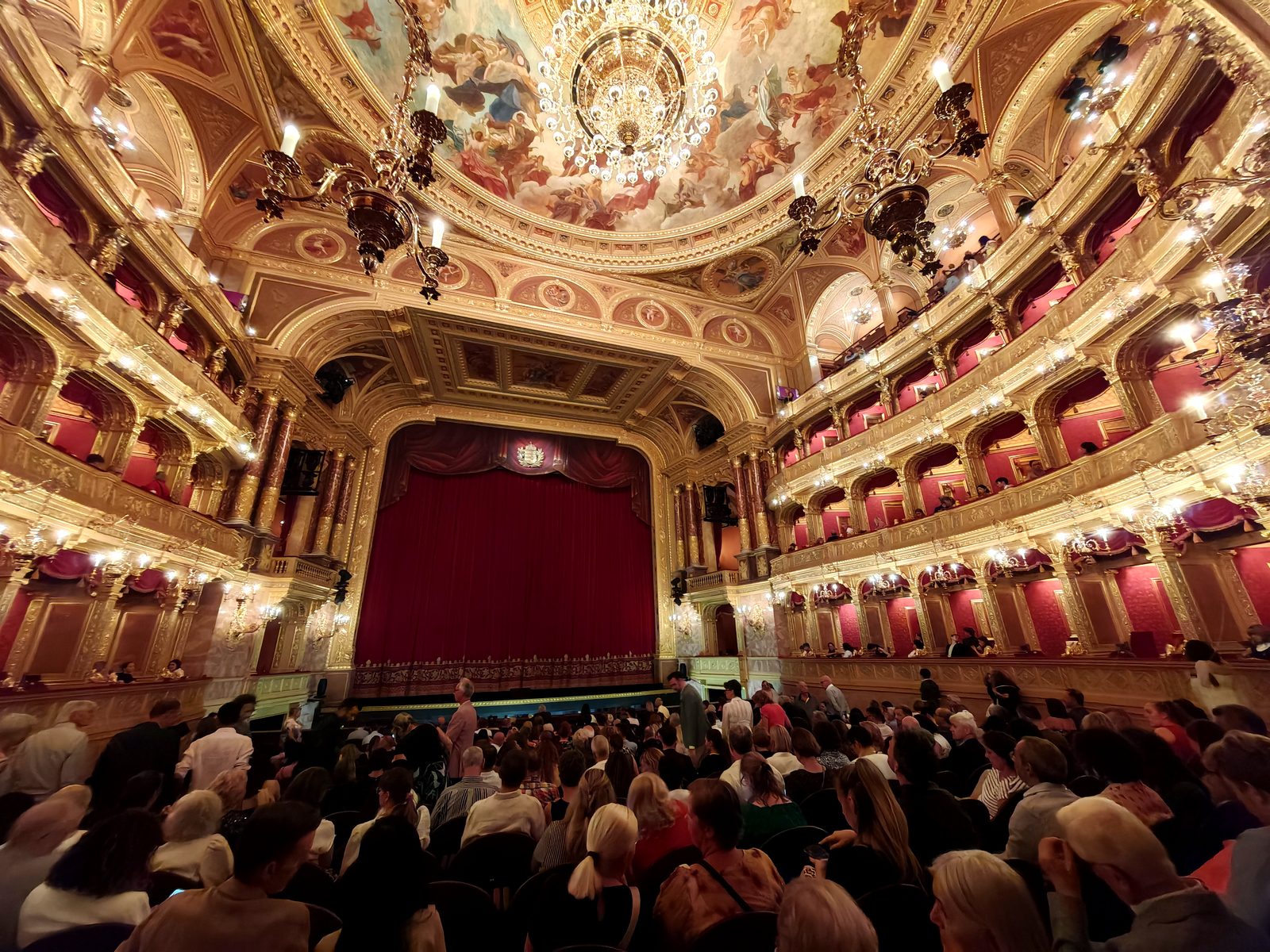
- Hungarian State Opera: opera.hu – Repertoire and ticket sales. Even if you don’t speak Hungarian (or Italian), going to a ballet or an opera in this building is a surreal experience.
- Sziget Festival: szigetfestival.com – All the information, line-up and tickets for the famous August „Island of Freedom”.
- Kolodko mini-sculptures (Map): statues.budapestflow.com – An interactive map and locations of all of Mihály Kolodko’s hidden bronze sculptures, ideal for a „treasure hunt” during a walk through the city.
IF YOU’RE STAYING LONGER: The most beautiful trips
If you have the time, the surroundings of Budapest hide incredible places that are easy to reach by train:
- Szentendre: Just 40 minutes north of the city by HÉV train lies this Baroque, artistic little town on the Danube. A place full of narrow streets, galleries, Orthodox churches (a Serbian historical heritage) and excellent riverside cafés.
- Gödöllö (the palace of Empress Sisi): A magnificent Baroque palace 30 minutes from the city, which was the favourite summer residence of the beloved Empress Sisi.
- Visegrád and Esztergom: A medieval citadel in Visegrád with the most beautiful view of the Danube Bend, and the largest basilica in Hungary in Esztergom.
Budapest is definitely not just another polished postcard. It bears the scars of a turbulent history, but it vibrates with an incredible, modern energy. Get your comfortable trainers ready and let the Queen of the Danube draw you into her rhythm!